PADIN launches Telemedicine, carries out free medical outreach for disabled persons

As a way to ameliorate the suffering of disabled persons in FCT in respect with accessing medical care, an NGO, Poverty and Disability Initiative in Nigeria, PADIN has launched a virtual medical facility for main purpose of making medical care easily accessible to them.

PADIN program director/head of women commission, Okafor Christina Obinna who spoke with our correspondent during a two day medical outreach and the launch of the virtual clinic at the disabled colony located at Karonmajigi , a suburb in the Federal Capital Territory noted that the idea was borne out of the fact that the disabled persons in the colony find it difficult accessing proper medical care when they are sick.

Speaking further she said, “Overtime we have studied and we have discovered the limitations that people with disability have especially in the area of accessing healthcare. And for many years now we have been working in particular with these people of Karonmajigi. They have known us for about five years now, we have been coming to them with some form of healthcare and also we come here to distribute food items. Last year we were here to distribute crutches to a few of them, and also we have come here with wheelchairs and several other means of assistance to these people.

But then we discovered that assessing healthcare is a problem, and so we came up with the pet project, Telemedicine. We partnered with Resolution Projects, New York. They are the one that sponsored most of it to bring Telemedicine whereby these people can communicate with their doctor, with their medical personnel in the privacy of their communities. It’s just a phone call away and they have a presence with their doctor.

We also partnered with SOTERIA -AFRIQUE RURAL HEALTHCARE INITIATIVE NIGERIA. Their team of doctors led by Dr. Dah Talemoh Wycliffe performed free surgeries, gave out free consultations and also gave out drugs for free.

The organization also plans to build a hospital in the community where all of these services that were rendered to the community during the two days of Medical Outreach will continue to be delivered to the people for free. That’s the whole idea of Telemedicine. And the whole package comes with a laptop, a mobile phone, a first-aid kit, with the BP monitor. They have a BP monitor and a voice monitor.

So, for weeks we have been coming here training them because they are the people to take over. We train them and now they are almost perfect in it.

By the time we are done here we intend moving to Kunchigoro, and to other disability colonies to establish the Telemedicine. So this gives them easy access to medical care,” she said.

Also speaking, PADIN country Director, Engr. Paul Maduabuchi Ogbonna maintained that they have tried to put away any impediment that may hinder them from adequately making use of the virtual equipment.

“We are bringing the Telemedicine into the community and we are training the disabled people, they are the ones that will be handling the Telemedicine. So, it’s not like we are bringing it here and we are taking it out. Basically they will be communicating with their people and pass the necessary information to them in the language they understand. The ones we have picked to train can speak English, so, handling the material would not be a big issue for them. The items that she mentioned would all be domiciled here with them to work with, so that any patient that is sick can easily meet with any of this trained persons, communicate with them and our doctors are over there that is going to consult and tell them the issues,” he noted

Aside from the launching of the Telemedicine project, PADIN also carried out a two day free medical outreach and several beneficiaries of the two day medical outreach had nothing but praises and prayers for PADIN.

Several of them took turn to speak with our correspondent and first to speak was Ibrahim Sagir who is the PRO of the disabled community

“I won’t be able to mention how happy I am because the entire community is happy. Since we have been residing in this place more than twenty years ago, we have not had an outreach like this particular one. We are really overjoyed for this kind gesture. It has not been easy for us, especially under this current situation it is not easy to even have money to buy drugs. Today, they are treating us free of charge without collecting a single dime. We are more than happy about this.

PADIN is not new to us. They have done so much for us. They have been trying and they have even tried more today. I pray that whatever they have spent to put this project together may God multiply it for them. I will appeal to them that as they continue to touch our lives they should please consider our women with disabilities the most. I am praying for them to give wheelchairs to our ladies because most of them find it hard to move around because of the kind of environment we reside,” Sagir said.

For John Esiegbu he explained how grateful he was for the opportunity to be among the beneficiary, “I really want to appreciate God, I want to appreciate the Federal Government and I also want to appreciate Ordinary Ahmed, because I just listened to the program on his radio program when this thing was mentioned, and I said let me rush down here to see how the thing is going to work and by the grace of God I have undergone the surgery successfully, and I believe I am ok by now. And I want to say that may the Almighty God bless and protect their work,” he said.

As for Philip David who was operated on also, he said, “I really appreciate this organization because I did not expect this I really appreciate it. Before I came here I had gone to another hospital and I have already been booked for the surgery but as I heard this I decided to come here and to God be the glory I have done my surgery,” he stated.

For Israel Olatunji, he said, “I have had this injury since and the thing has been bothering me. And I came to this place when we heard about the program and thank God they did it for me. I am using this opportunity to thank the people that organized the program. Before I came to this place I had gone to a hospital where my father paid a lot of money, and it was treated but the thing returned. Now we came here and the thing was done free of charge. I want to say a very big thank you to them.

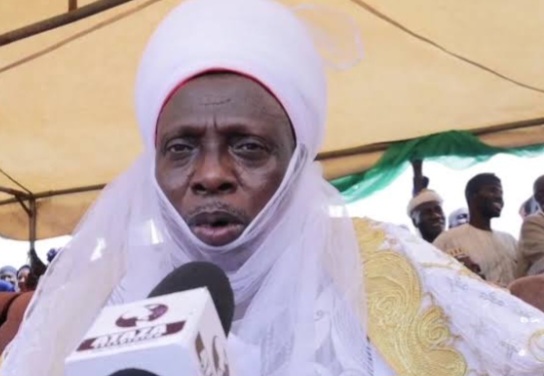
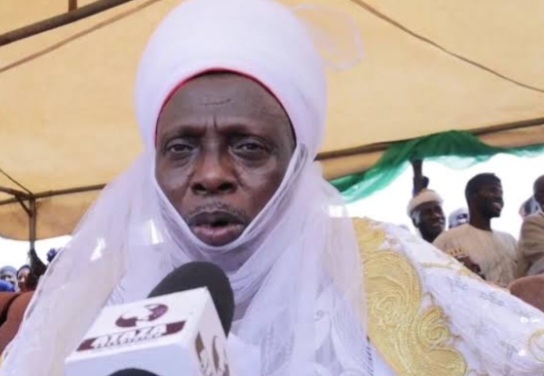
The two day medical outreach witnessed the presence of several dignitaries from the social development department of the Federal Capital Territory, Federal Ministry of health, the emir of the colony and several other dignitaries.

Among those also present was the Executive Secretary of the National Commission for persons with disabilities, (NCPWD), Dr. James David Lalu.

While applauding PADIN for the program, Dr David Lalu noted that NCOWD remains dedicated to supporting the disability community through various initiatives and partnerships aimed at enhancing the quality of life for persons with disabilities.

“We are committed to providing access to quality healthcare services for persons with disabilities. Beyond this initiative, we are working towards establishing a local clinic within the community to ensure continuous healthcare access. We are identifying a suitable building for this purpose, and we are dedicated to making sure no one here suffers from preventable diseases such as typhoid,” he said.

NCSCN calls for dialogue with President Tinubu to avert protest

By Emmanuel Daudu

Ahead of the planned nationwide demonstration on August 1, the National Civil Society Organization of Nigeria (NCSCN) has appealed to the organizers to pursue constructive dialogue and collaboration with the federal government to end hardship in the country, rather than resorting to protests.

It also salutes the President’s openness and sincerity of purpose, noting that his public acknowledgment of the enormous challenges facing the nation is indicative of a patriotic and genuine commitment to addressing the issues.

At a press conference in Abuja yesterday, NCSCN Executive Director, Amb. Blessing A. Akinlosotu, called on all Nigerians to exercise patience and give the government the necessary time and support to implement essential reforms and initiatives.

Blessing said, “We believe that through constructive dialogue and collaboration, we can achieve lasting changes in the near future.”

According to him, protests can impact countries both positively and negatively in areas of stability, economy, and infrastructure; however, protests often have a more destructive impact.

Furthermore, it is crucial for Nigerians to understand that the outcome of agitations in a precarious situation like ours is unpredictable.

It is evident that in protest situations, shops are usually looted, and business and other economic activities are shut down, consequently inflicting more suffering on the masses rather than on the government.

Therefore, constructive dialogue and collaboration are essential for navigating these challenges and ensuring a stable and prosperous future for the country.

We, the members of NCSCN, remain committed to advocating for the rights and development of all Nigerians within a united and peaceful country.

We call on all stakeholders—government, civil society, and the citizenry—to join hands in building a Nigeria where justice, equity, and prosperity are accessible to all.

We call on all our members across the federation to refrain from participating in the planned protest while we continue our engagement with the protest proponents and relevant authorities.

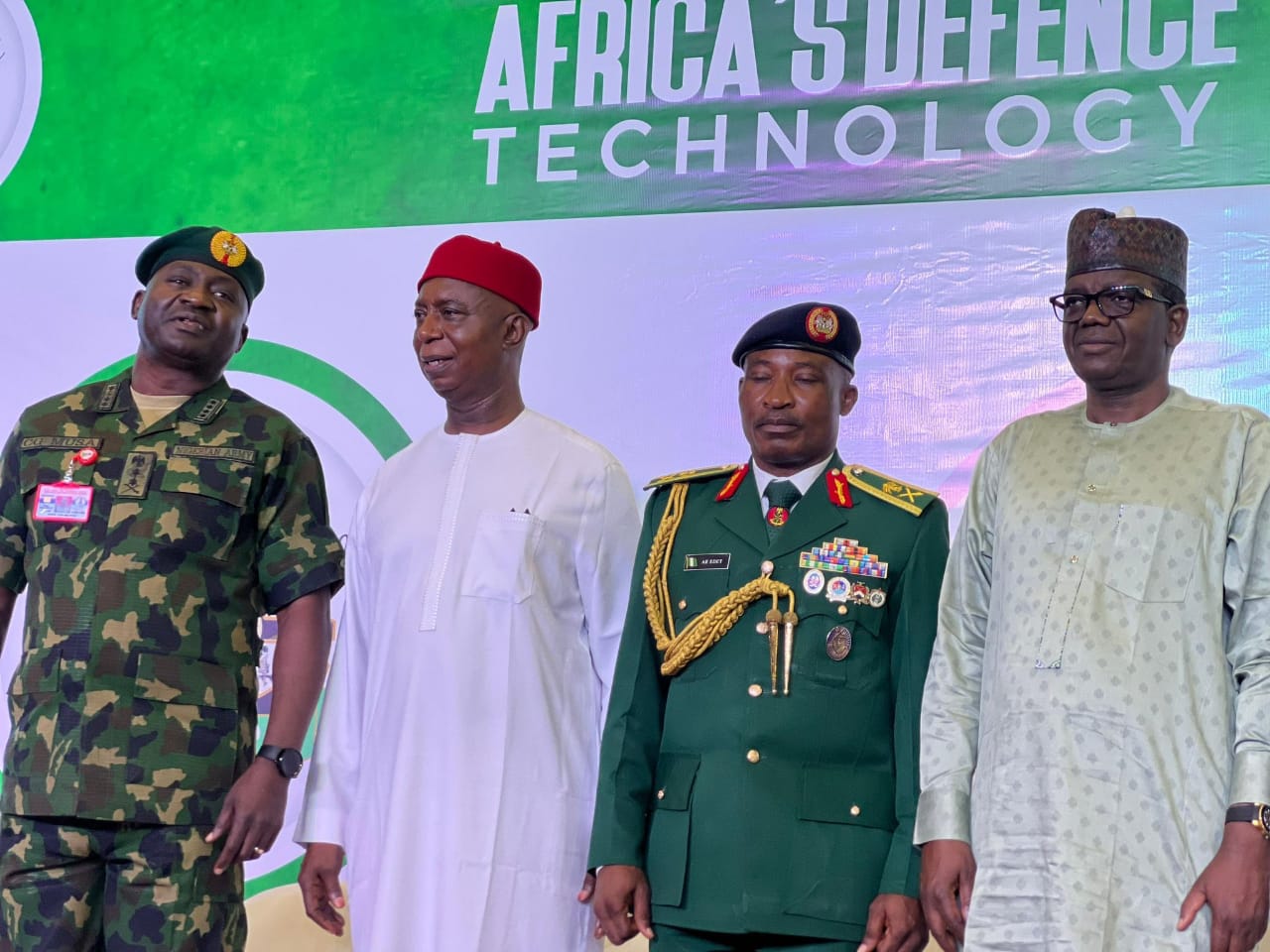
The Impactful Leadership, Contributions and Achievements of General Christopher Gwabin Musa to Nigeria and Nigeria’s Defence

Leadership, a vital force in the narrative of nations, often shapes the destiny of countries and their defence systems. Leadership within the military is even more crucial as it determines not only the success of military operations but also the protection of national sovereignty. On this forefront, General Christopher Gwabin Musa, OFR, the 18th Chief of Defence Staff of Nigeria, has made significant strides since his appointment, demonstrating commendable leadership and a dedication to enhancing Nigeria’s security.

His leadership is reshaping the Nigerian Armed Forces and contributing to the country’s struggle against various security challenges.

At the helm of Nigeria’s military command, General Christopher Musa’s role as the Chief of Defence Staff (CDS) embodies a critical leadership position in the nation’s fight against insurgency, particularly against the notorious group Boko Haram, and other severe security menaces beleaguering the African giant. Appointed amidst a cauldron of evolving internal and external security threats, General Musa’s strategic responsibilities include policy formulation, military readiness, inter-agency coordination, and fostering international collaborations.

General Christopher Musa, as the CDS, holds the mandate to advise the President and the National Defence Council on military affairs and security strategies. His ascendancy to this role comes with the onerous task of sculpting an effective counterterrorism posture for the Nigerian Armed Forces. A significant part of this portfolio involves crafting robust policies that hinge on intelligence-gathering, agile response to threats, and the overall enhancement of operational capacities

Effective security management, especially in confronting an adaptive adversary like Boko Haram, necessitates a synergy of effort across various agencies. General Musa’s tenure has seen an emphasis on joint operations and the integration of efforts amongst the Army, Navy, and Air Force, alongside paramilitary and civilian security structures. By advancing collaborative platforms, the Nigerian Defence Staff has improved interoperability and resource optimisation, curbing duplication of efforts and fostering a united front against insurgents.

In the landscape marred by asymmetrical warfare, General Musa champions the modernisation of the Nigerian military capabilities. This includes the procurement of modern armaments, fortifying aerial surveillance units, and enhancing cyber warfare capabilities. Empowering the forces with advanced technologies and skillsets through training and strategic partnerships is central to this objective.

General Musa’s role involves partnerships with international allies to augment Nigeria’s defensive apparatus, address capability gaps, and bolster the counterinsurgency repertoire.

General Musa also recognises the significance of addressing the psycho-social factors contributing to terrorism’s allure. This includes advancing de-radicalisation programs, community engagement, and fostering socio-economic endeavours that address the root causes of insurgent recruitment. Efforts under his leadership to counter the ideologies that feed Boko Haram are as critical as the physical battlefields operations.

As CDS, General Musa’s role extends beyond the military domain to involve diplomatic engagements that reinforce Nigeria’s resolve against terrorism. Rallying global support for combating insurgency, participating in multi-national counterterrorism initiatives, and navigating the security implications of international relations exemplify Musa’s strategic roles. His advocacy for regional partnerships in the Lake Chad Basin and the ECOWAS region solidifies collective action against shared security threats.

In evaluating General Christopher Musa’s approach to Nigeria’s security challenges, one cannot ignore the complexities of the landscape he navigates. While concerted efforts under his leadership have made inroads against Boko Haram, the journey towards a comprehensive resolution remains arduous. The essence of Musa’s role encapsulates not only the short-term gains in combat but also planting the seeds for long-term peace and security for the nation.

General Christopher Musa’s role as the Chief of Defence Staff is an amalgamation of strategic vision, operational oversight, and inter-agency coordination aimed at eradicating the scourge of Boko Haram and fostering a secure atmosphere in Nigeria. As the linchpin in the security apparatus, General Musa’s commitment to proficiency, modernisation, joint task formulation, and psychological operations stands as a bulwark against the tide of terrorism and insurgency baffling the nation. His legacy will, ultimately, be measured by the peace and stability that Nigeria can secure for its future generations.

The fight against insurgency in Nigeria has been a prolonged and challenging battle, predominantly against the Islamist militant group, Boko Haram, and more recently, against a splinter group known as the Islamic State West Africa Province (ISWAP). The appointment of General Christopher Musa as the Chief of Defence Staff on 19 June 2023, ushered in a new era of leadership in this struggle.

Under General Musa’s leadership, the Nigerian Armed Forces have implemented a series of operational strategies that have intensified the efforts against insurgents. One such example is the reinforcement and Strengthening of ‘Operation Hadin Kai,’ which was launched to replace the previous ‘Operation Lafiya Dole.’ This operation represented a shift in tactics, focusing on a doctrine that moves away from purely defensive posturing to more offensive operations aimed at decisively defeating the insurgents.

Furthermore, General Musa has advanced the concept of “Super Camps,” which consolidates military presence in strategic locations, thereby giving the forces the flexibility to launch swift and precise counterinsurgency strikes. Such tactics have reportedly led to several successful raids on insurgent camps and the neutralization of key figures in the groups.

Understanding that military might alone cannot wholly address the root causes of insurgency, General Musa has emphasized the importance of community engagement and intelligence gathering. By forging stronger relationships with local communities and collaborating with community leaders, the military has improved its intelligence-gathering capacities, leading to more targeted and effective operations against insurgents.

Recognizing the complexities of counterinsurgency warfare, General Musa has championed stronger interagency cooperation amongst various branches of the Nigerian security apparatus. This integrated approach ensures that military operations are supported and complemented by the efforts of the police, intelligence services, and other security agencies. Interagency collaboration has been instrumental in disrupting the logistics networks of insurgents and curbing the flow of arms and funding to their operations.

Acknowledging the challenging circumstances under which Nigerian troops operate, General Musa has been an advocate for the enhancement of the welfare of military personnel. Improved welfare packages, timely payment of allowances, and the provision of better living conditions are reported to have boosted troop morale. High morale is critical for the effective prosecution of any military campaign, and by enhancing welfare, General Musa has reinforced the drive and effectiveness of the troops involved in counterinsurgency operations.

Critics may argue that despite the various initiatives led by General Musa, the insurgency in Nigeria persists with occasional high-profile attacks still occurring. This counterargument, however, overlooks the broad contextual challenges such as poverty, unemployment, and political instability which fuel the insurgency. Moreover, it disregards the incremental progress and reduction in the frequency and impact of insurgent attacks since General Musa’s appointment.

While it is true that the threat from insurgent groups has not been entirely eliminated, security analysts agree that there has been a noticeable improvement in the security landscape. The decline in successful recruitment by insurgent groups, the surrender of several insurgents, and the recapture of territories once held by Boko Haram are testaments to the effectiveness of the strategies employed by the Nigerian Armed Forces under General Musa’s leadership.

General Christopher Musa, as the Chief of Defence Staff of Nigeria, has implemented a multifaceted approach to combat insurgency in the country. Strengthening operational strategies across all operational theatres and the establishment of ‘Super Camps,’ alongside initiatives to enhance community engagement, intelligence-gathering, and interagency collaboration, have all contributed to the dwindling capacity of insurgent groups.

Furthermore, by being attentive to the welfare of military personnel, General Musa has played a pivotal role in elevating the morale and operational readiness of troops.

The fight against insurgency is a complex one that necessitates a combination of military prowess and socio-political strategies. While the ultimate eradication of insurgency may still be on the horizon, the efforts of General Musa and the collective resolve of the Nigerian Armed Forces should not be underestimated. Through resilience, dedication, and a dynamic approach, significant strides have been made towards restoring peace and stability in Nigeria.

General Christopher Gwabin Musa is a highly experienced officer, having served in various capacities within the Nigerian Army. His tenure in his new office has been a beacon of hope and resilience, embodying an unwavering commitment to securing Nigeria’s borders and maintaining peace within the nation. He came to prominence after a well-decorated military career with a trajectory that indicated his strategic brilliance and tactical acumen.

Upon assuming office, one of General Musa’s critical areas of focus has been the implementation of strategic reforms and innovations within the military. Recognizing the evolving nature of security threats, he has pushed for modernization in military tactics and the adoption of groundbreaking technologies. These include investments in drone warfare, cyber defence capabilities, and advanced communication systems, which have improved Nigeria’s responsive edge against insurgencies and terror threats.

One of General Musa’s most notable achievements is the fortification of the military’s counter-insurgency operations, particularly in the fight against Boko Haram and other extremist groups. Under his leadership, several successful operations have led to the recapture of territories previously occupied by insurgents, the destruction of their enclaves, and a considerable decimation of their ranks.

The successful rescue of the 330 Chibok schoolgirls, including women and children, from the hands of Boko Haram terrorists in the Sambisa forest recently is undoubtedly a commendable achievement for the Chief of Defence Staff, General Christopher Gwabin Musa. This accomplishment speaks volumes about his leadership skills, strategic planning, and the effectiveness of the Nigerian military’s operations against Boko Haram.

Rescuing such a large number of individuals from a notorious terrorist group is no easy feat and requires meticulous planning and execution. It also reflects the dedication and commitment of the Nigerian military in ensuring the safety and security of its citizens, particularly those who have fallen victim to Boko Haram.

The successful operation not only brings hope to the families of the rescued schoolgirls but also sends a strong message to Boko Haram and other terrorist groups that their activities will not be tolerated. It proves that the Nigerian military is capable of disrupting and dismantling the terrorist network, despite the challenges it faces.

General Musa’s leadership and the efforts of the Nigerian military in rescuing the Chibok schoolgirls highlight the progress made in the fight against Boko Haram. While there is still work to be done to fully eradicate the group and bring lasting peace and stability to the region, this operation is a significant step in the right direction.

The rescue also underscores the importance of international cooperation and support in addressing the threat of terrorism. It is crucial for the international community to continue providing assistance and collaboration to Nigeria and other affected countries in their counter-terrorism efforts.

Overall, the successful rescue of the Chibok schoolgirls is a significant achievement for General Musa and a positive development in the fight against Boko Haram. It serves as a reminder of the resilience and determination of the Nigerian military in ensuring the safety and security of its people.

Understanding the global nature of security, General Musa has fostered stronger collaborative ties with international allies. Such collaborations have led to increased sharing of intelligence, training, and joint military exercises. This alliance has not only brought in new perspectives on defence strategies but also provided the Nigerian military with the necessary support systems to enhance their capabilities.

General Musa’s regime has also been marked by a noticeable commitment to upholding human rights within military engagements. He implemented policies ensuring compliance with international human rights standards, thereby improving Nigeria’s image globally and fostering trust between the military and the civilian populace

General Christopher Gwabin Musa’s tenure as the Chief of Defence Staff has been transformative for Nigeria’s military. Emphasizing strategic reform, innovative practices, and international collaboration, he has skilfully navigated the complex tapestry of Nigeria’s security challenges. His dedication to human rights and effective counter-insurgency operations has set a precedent for future leadership. As Nigeria
continues to face various security threats, the nation stands stronger under the guidance of leaders like General Musa, whose accomplishments are a testament to the power of visionary leadership in the military sphere.

General Christopher Gwabin Musa, OFR, has indeed carved a niche for himself in the annals of Nigeria’s defence history, his leadership radiating the essence of commitment, strategy, and patriotism and as such, we can proudly call him the MILITARY WARLORD OF HIS GENERATION I (the First).

END

By Emmanuel Huleji Daudu
Editor-In-Chief,
Africa Security Investigation News

Article sponsored by World Sustainable Development Goals Organization, http://www.worldsdgs.org

Government Emphasizes the Importance of NYSC Amid Calls for Scrapping

Maryam Aminu

The Minister of Youth Development, Dr. Jamila Bio-Ibrahim, has reiterated the pivotal role of the National Youth Service Corps (NYSC) in fostering national unity and integration, despite ongoing calls for its discontinuation.

Speaking at the inauguration of the Reform Committee for the restructuring of the NYSC in her office, Dr. Bio-Ibrahim highlighted the enduring impact of the scheme since its inception over 60 years ago.

“Since the establishment of the scheme, we have seen modern advancements and initiated various programs that have significantly transformed the lives of young people,” she stated.

The Minister acknowledged the divergent opinions on the scheme, noting, “There have been calls to scrap the NYSC, yet it stands as a symbol of national unity and integration. It is a vital and impactful scheme that has served as a model for other countries around the globe.”

Dr. Bio-Ibrahim emphasized the international recognition of the NYSC, citing its influence beyond Nigeria. “From North to South of the African continent and across the globe, we have seen other countries modeling the NYSC. This really shows that it’s a scheme we need to be proud of, something we are doing right, and we must sustain it even if there are calls for its discontinuation.”

The Minister announced the formation of a committee to conduct a comprehensive review of the NYSC in response to the current agitation for its scrapping.

She stressed that the goal is to realign the NYSC with contemporary economic and social needs, transforming it into a dynamic skills center that significantly contributes to multinational development and youth empowerment.

1st left, Hon. Minister of Youth Development Dr. Jamila Bio Ibrahim inaugurating members, NYSC Reform Committee .

Prince Oyekunle Oyewumi, the Chairman of the newly formed committee, expressed the committee’s commitment to delivering a thorough and impressive outcome.

Speaking also, the Permanent Secretary of the Ministry, Olubunmi Olusanya urged the committee to work diligently for positive results.

“The review and restructuring of the NYSC aim to ensure the scheme remains relevant and beneficial to Nigerian youth and the broader society in the face of changing economic and social landscapes.” He said

REV. ABEL DAMINA, SCHOOL DROP-OUT TURNED HERETIC

A public and social affairs analyst, Pius Adebayo has said “Abel Damina is not a strange name in the ears of many Nigerians as far as the peddling of Christian heresies is concerned. He has carved for himself an unenviable niche in the world of heretic and controversial doctrines.

In a statement made available to newsmen, Adebayo stated that, “Whether such doctrines are being triggered by his sheer lack of understanding of the Scripture or inspired by some strange demonic influences remains a worrisome and intriguing subject. But more worrisome is the fate of young, immature and gullible Christians who are being swayed into the abyss of sinful and damnable compromise by his heretical and evil doctrines. For a so-called man of God to have and maintain a doctrinal stance that promotes unrestrained sin, immoral conducts, disorderliness, falsehood, duplicity and social anarchy speaks volumes of the extremely permissive and corrupt nature of his personal life”.

Speaking further, he said, let us take a brief look at the history of this religious pariah.
Abel Damina finished Secondary School in 1988 from Prince College, Mista-Ali, Jos, Plateau State Nigeria.

He attempted to further his education by enrolling into the College of Advanced Studies, Zaria, but soon dropped out shortly after, claiming to have received a call to Ministry.

This was soon followed by the commencement of his Ministry in the city of Uyo, Akwa Ibom State, Nigeria, just two years after secondary school.

From the foregoing, it is clear to see that the process of his making is already compromised as he could not endure the mental and physical discipline to run a basic post-secondary educational programme.

Even his entry into ministry cost him nothing as he did not sacrifice anything valuable to answer the call – no degree certificate, no professional qualification, no occupation or career, etc.

Adebayo stressed, Today, this same drop-out has the effrontery to challenge highly revered and renowned men of God and fathers of faith who are academic giants or scholars in their own rights aside their spiritual prowess.

His unbridled and visceral tongue did not spare God’s servants like; Pastor E.A. Adeboye, a renowned mathematician with PhD in Mathematics, Pastor W.F. Kumuyi, also a mathematical scholar, Bishop David Oyedepo, a qualified architect, and Dr. Paul Enenche and his wife, Dr (Mrs) Becky Enenche, both qualified medical doctors.

These are men and women who paid the price for the call of God into ministry. Ministry, to these men, is highly valued as they left behind enviable qualifications and gainful professions to do the work of God. But that is not the same for Abel Damina.

He left nothing behind, and it is obvious, he has nothing in front of him to pursue.

And since he has nothing to gain or lose, he is desperately on the loose, seeking to denigrate those who are genuinely doing the work of God with unquestionable conducts and proven track records.

His Ministerial practices have from the very beginning, been characterized by dubious fund-raising, the proceeds of which were taken by him almost immediately for personal use, and not for the church. That is, he would immediately walk away with the raised funds after the service, he could use the extremes of means, even hypnotics, if possible, to extract money from the congregants.

Adebayo narrated how, Damina once proudly told an associate that all his messages were strategically scripted to elicit giving or fundraising – that he wouldn’t preach any message that would not provoke people to give. In fact, he once told another associate that all the tithes of the church belonged to him.

But what do we have today ? The same fund-raiser-in-chief is now peddling a new doctrine that forbids the payment of tithe and other forms of giving in church and the reason for this newly minted doctrine is not far-fetched – since the fundraising and all the tithes he has been fraudulently taking from the people didn’t make him rich, no other church should take tithes from people.

But what he failed to realize is that whereas he diverted all tithes and funds raised by him on the church’s altar to his personal coffers, these other men of God, following scriptural injunctions, never had anything to do with tithes or other forms of giving in church. The standard practice is the total separation of the church from the man of God as two separate legal entities.

That makes the resources of the church not to be the same as the resources of the pastor. What is given to the church, be it tithes, offerings, sacrifices and other forms of giving, belong to the church, and not the pastor.

This is the standard scriptural practice, but Damina devoured all hook-line-and-sinker, and expected God, being a God of principle to prosper him, all the same. Since he is bankrupt of basic discipline and financial integrity to manage church’s resources, he assumes every other pastor is doing the same.

This is his mind-set because to the corrupt, everything is corrupt. He is acting like the harlot who killed her son in the Book of First Kings and wanted the surviving son of her roommate destroyed so both of them would become equal and childless. But King Solomon, being filled with the wisdom of God discerned the evil intent of the devious harlot, preserved the living child, and handed him to the rightful mother. And God is wiser than King Solomon: in the end, the heretic will always end as the ultimate loser.

Thus, Damina stepped into ministry with zero ethical foundation, zero sense of purpose, zero discipline, and zero sacrifice, just to go after people’s resources. His ministry and personal lifestyle have always been characterized with extreme level of permissiveness, disorderliness and error, hence his leaning on the absolutist grace doctrine to accommodate his moral depravity, indiscipline, avarice and recklessness.

To the gullible, unsuspecting generation of young, immature Christians, he is a hero, but deep down his hypocritical mind, he knows that he is up to nothing good but sheer falsehood, deception and double standard, with the ultimate intention to steal, to kill and to destroy lives, homes and thriving churches.

But the foundation of God stands sure, and the Lord knows those who are His – 2 Timothy 2:19. God will always stand to defend His works, and pull down all foundations and installations of falsehood, deception and evil. And now also the axe is laid unto the root of the trees: therefore every tree which bringeth not forth good fruit is hewn down, and cast into the fire.

And in Mathew 3:10 Like all heretics before him, the wind of truth will eventually blow all forms of heresies into the abyss of history, and the Church of Christ will continue to march forward in triumph, and the gates of hell can never prevail against it, Adebayo stressed.

IMIPI Chairman Urges Patience Amidst Economic Reforms and Rising Inflation, Highlights Government Achievements

Maryam Aminu

The Chairman of the Independent Media and Policy Initiative (IMIPI), Chief Niyi Akinsiju has addressed the pressing economic issues facing Nigeria, including the escalating inflation and the public outcry over the high cost of living.

Chief Akinsiju made the assertion during a press briefing held on Tuesday, July 30, 2024 in Abuja

He called for patience and contextual understanding of the government’s ongoing economic reforms.

Chief Akinsiju acknowledged Nigeria’s soaring year-on-year inflation rate, which stood at 34.199% in June 2024, with food inflation reaching 40.87%.

He attributed this rise to the harmonization of foreign exchange windows and the removal of fuel subsidies, policies

Despite the immediate hardships, Chief Akinsiju highlighted the positive impacts of these reforms.

He pointed to the significant reduction in Nigeria’s national debt from $108 billion to $91 billion, and the subsequent drop in the debt service-to-revenue ratio from 97% in the first half of 2023 to 68% in 2024.

“This fiscal improvement reflects the government’s strategic management and the end of the wasteful fuel subsidy regime.” He said

He acknowledged that the oil production has also seen a boost, increasing from 1.28 million barrels per day in April 2024 to 1.61 million barrels per day by July 2024, the highest in 42 months.

“This increase has contributed to the growth of Nigeria’s foreign reserves, which climbed from $32.29 billion in April to $37.05 billion by mid-July 2024.” He said

In the power sector, Chief Akinsiju commended the commissioning of the Zungeru Hydro-Electric Power Station and new substations in Kebbi and Lagos, which have significantly improved electricity generation and distribution.

He also praised the government’s payment of N3.3 trillion owed to the power sector, which had previously hindered its capacity to function efficiently.

The Chairman also drew attention to advancements in education and employment, mentioning the Nigerian Education Loan Fund (NELFUND) and the employment of 30,000 fellows from the 3 Million Technical Talents programme.

Chief Akinsiju noted the federal government’s support for agriculture, which has generated N309 billion into the economy in one year and attracted $20 billion in foreign investment commitments.

Chief Akinsiju expressed disappointment with sub-national governments for not fully supporting federal efforts in agriculture, urging them to utilize increased allocations to boost food production.

In transportation, he praised the reopening of the Lagos-Kano railway line, emphasizing its historical significance and contribution to national unity.

He further urged Nigerians to be patient and supportive of the ongoing reforms, acknowledging the right to protest but appealing for these to be conducted constructively.

He emphasized the long-term benefits of the policies being implemented, predicting a future of economic growth and prosperity.

“Those who want to protest have the right to protest, but this must be in the appropriate context,” he said.

“A protest should be anchored on substantial rationale or reasons that are achievable. Based on this, we appeal for patience so as not to disrupt the gathering momentum being built in the nation’s economic sphere.” He said

Choose dialogue instead of protest-World Sustainable Development Goals Organization-Nigeria tells youth

By Maryam Aminu

The Nigeria Country Representative, World Sustainable Development Goals Organization, Engr. Kolawole Rasheed Adenekan has urged Nigerian youths to embrace other approaches in engaging with the government instead of protest.

He made the statement in Abuja on Monday.

He disclosed that inasmuch as it is a civic protest, predictions as to how it would go and end is not certain.

He stressed on the need to suspend the protest and engage the government in dialogues.

H.E. Amb. Kolawole Rasheed Adenekan, Nigeria Country Representative,  World Sustainable Development Goals Organization

In his words: “in recent years, the role of youth in political processes has received heightened attention, with many advocating for greater engagement as a means to achieving better policies and good governance. The vibrant energy and fresh perspectives that young people bring to the table are invaluable in challenging the status quo and prompting socio-political reforms.

“However, the methods through which youths engage with government often lean towards protest – a mode of communication characterized by public demonstrations and expressions of dissent.

“Whilst protests have historically played a pivotal role in democratic societies, I argue that there are more constructive approaches that Nigerian youths can adopt to influence government policies.”

Adenekan while advising Nigerians to choose dialogue, he said: “By engaging directly in political dialogues, leveraging digital platforms, participating in policy-making processes, undertaking public services, and using advocacy, youths can drive positive change more effectively than by protesting alone.

“The confrontational nature of protests may polarize discussions and lead to governmental resistance rather than cooperation. Conversely, structured engagement through dialogue presents opportunities for more nuanced understanding and direct impact on governance.

“Direct dialogues between youths and governmental officials are essential for expressing concerns and proposing solutions in a constructive manner.”

While advising the government, he said, inclusion of youths in the policy-making process can lead to more comprehensive and far-reaching policies.

Adenekan, also advocated for youth involvement in public services, such as serving on community boards or in local councils, enables young people to influence governance from within Local Government Association.

Relaunched N110 Billion NYIF Receives Over 80,000 Applications in First 72 Hours

Maryam Aminu

The Federal Ministry of Youth Development has reported a remarkable response to the newly relaunched and restructured Nigeria Youth Investment Fund (NYIF), which has received over 80,000 applications within its first 72 hours.

This announcement was made by the Minister of Youth Development, Dr. Jamila Bio Ibrahim, during a town hall meeting with North Central Youth Stakeholders in Abuja.

Dr. Ibrahim expressed that the overwhelming response highlights the strong enthusiasm among Nigerian youth to access funding that supports their entrepreneurial and innovative projects.

She assured that the Ministry is dedicated to a fair and transparent selection process to identify the most deserving and impactful initiatives.

“The NYIF will create focused financing and funding mechanisms for youth-enabled businesses and innovations to keep our youth gainfully engaged in productive ventures,” Dr. Ibrahim stated.

“To maximize impact, the program has been restructured to focus on existing high-potential businesses and create strategic clusters that will generate up to two million direct and indirect jobs in three years.”

The Minister emphasized the importance placed by the current administration, led by President Bola Ahmed Tinubu, on strategic partnerships and collaborative efforts to achieve these goals.

She called on all stakeholders including government entities, the private sector, traditional and religious leaders, civil society, and the media to mobilize youth across all social strata to benefit from the NYIF.

“I am inviting you to chart the course of this initiative, as you grab the opportunity to scale up your businesses for national prosperity,” Dr. Ibrahim said.

“To ensure inclusivity, I am taking this message to every part of the country, especially the grassroots. Join hands with me to actualize this mission as part of the Renewed Hope Agenda of President Bola Ahmed Tinubu for the Nigerian youth.”

The NYIF is a strategic initiative by the Federal Government of Nigeria aimed at harnessing the potential of Nigerian youth for economic growth and innovation, focusing on the development and empowerment of young entrepreneurs nationwide.

The Chairman of the National Youth Council of Nigeria (North Central), Honourable Sukubo Sara-Igbe Sukubo, commended the President for his steadfast commitment to enhancing the well-being of Nigerian youth.

He noted significant progress in socio-economic, human, and infrastructural development within a short timeframe and urged Nigerians to be patient with the government, expressing optimism that the country will soon overcome current challenges.

The Stakeholders at the meeting stressed the pivotal role of Nigerian youth in supporting the policies of Mr. President’s Renewed Hope Agenda for successful implementation during this period of economic recovery.

They unanimously distanced themselves from the planned nationwide protest, deeming it unnecessary at this time.

Matawalle Urges Calm Ahead of Planned Protest

By Emmanuel Daudu

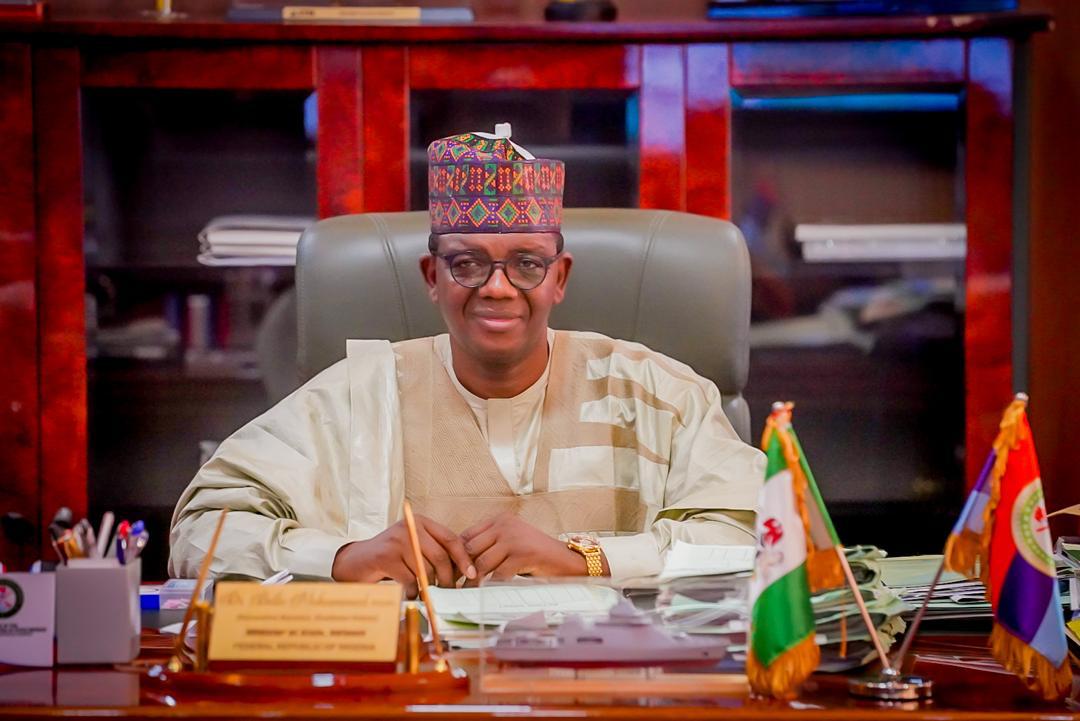
The Honourable Minister of State for Defence, Dr. Bello Muhammed Matawalle, has called for calm among Nigerians in light of a planned national protest scheduled for next week.

In a press release signed by Henshaw Ogubike, Director of Information and Public Relations, on July 26, 2024, Matawalle emphasized the government’s openness to dialogue and urged protest organizers to engage in discussions with authorities.

Matawalle expressed concerns about the anonymity of the protest organizers. “The persons behind the protest, the sponsors and their facilitators, are not known. Who is the masquerade behind the so-called protesters? We need to know. This is strange and ominous that they are unknown,” he stated.

The minister reassured Nigerians that President Bola Ahmed Tinubu’s administration is committed to resolving issues through peaceful dialogue, citing the successful resolution of the minimum wage dispute with organized labor as evidence of this commitment.

“President Bola Ahmed Tinubu-led government is committed to dialogue and finding amicable solutions to the challenges we face,” Matawalle said.

He also warned of potential dangers associated with the planned protest, cautioning that it could be hijacked by individuals with malicious intentions, leading to violence and disunity. “We must be vigilant and not allow those with malicious intentions to disrupt our peace and unity,” he added.

Matawalle drew parallels with the unrest in Kenya, urging Nigerians to avoid a similar scenario. “Those moving to unleash the Kenyan episode on Nigeria should look back and examine the consequences for Kenya. That experience should have no place in Nigeria because it will set us back instead of moving forward,” he warned.

Emphasizing the constitutional right to peaceful protest, Matawalle reminded citizens that violence in the guise of protest is a crime.

“Protests are constitutional rights; violence in the name of protest is a crime. There are clear provisions against crime in Nigeria as they are under international law,” he noted.

Dr. Matawalle called for a collective effort to maintain national peace and unity, urging Nigerians to reject actions that could lead to instability.

“Let us work together to build a stronger and more united Nigeria. Dialogue and peaceful engagement are the best ways to address our concerns,” he said.

He reiterated the government’s readiness to listen to and address the concerns of all Nigerians through constructive engagement and dialogue.

“The government is in place to serve and protect the interests of every Nigerian. Let us choose the path of peace and progress,” Dr. Matawalle implored.

Nigerian Military Intensifies Operations Against Terrorism and Oil Theft, Warns Against Violent Protests

By Emmanuel Daudu

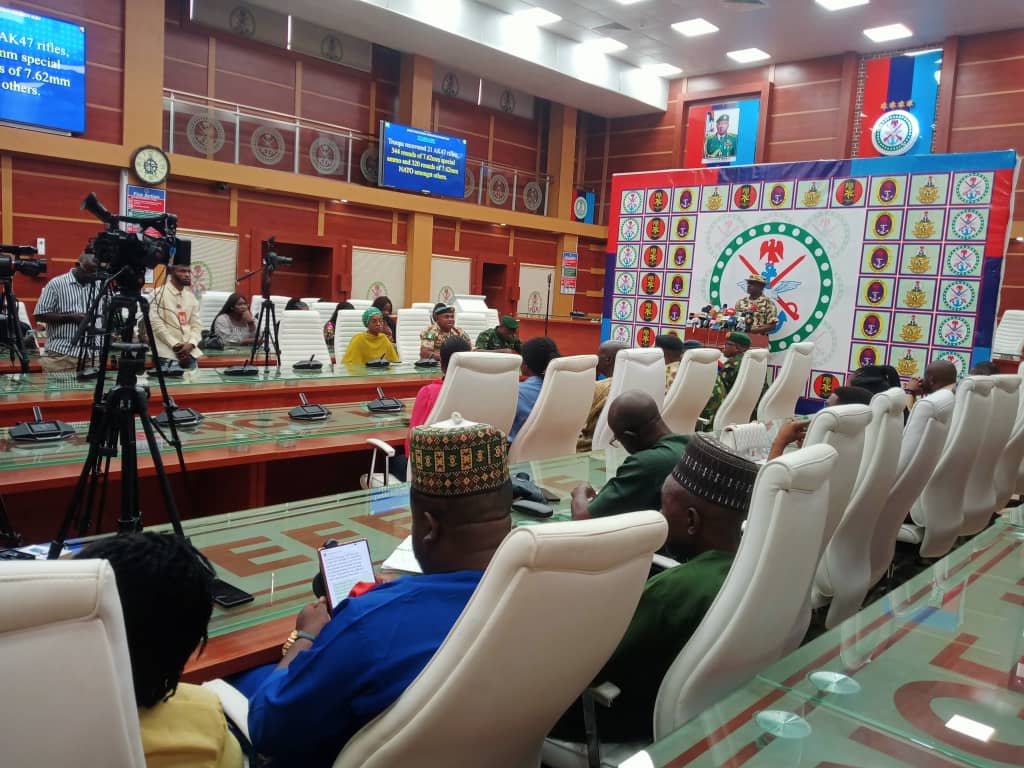
The Nigerian military has reported significant progress in its ongoing multi-front operations aimed at dismantling terrorist groups and their networks across the country.

In a press statement by Major General Edward Buba, Director of Defence Media Operations, he outlined the achievements and future plans .

According to the statement, the military’s current focus is on eliminating the leadership, commanders, and foot soldiers of terrorist organizations.

This effort has led to the neutralization of 106 terrorists and the arrest of 164 others in the past week.

Additionally, troops rescued 103 kidnapped hostages and apprehended 32 individuals involved in oil theft.

In terms of equipment seizures, the military has recovered 125 assorted weapons, including 41 AK47 rifles, and 1,522 rounds of ammunition. Other confiscated items include 22 vehicles, 31 motorcycles, 10 mobile phones, and cash amounting to N2,956,000.

He disclosed that inorder to combat crude oil theft, a unified command structure has been established in the Niger Delta. The military has destroyed 20 dugout pits, 24 boats, and 34 storage tanks used for illegal activities.

Troops also recovered over 800,000 litres of stolen crude oil and 121,900 litres of illegally refined AGO.

Major General Buba emphasized the importance of community and stakeholder support in the oil sector to enhance surveillance and ensure that culprits are prosecuted.

The military also addressed the planned nationwide protest, highlighting potential risks of violence and anarchy.

Major General Buba urged Nigerians to be cautious, noting that some elements might exploit the protest to incite violence.

The military stressed that while peaceful protests are a constitutional right, any attempt to incite violence will not be tolerated.

“Given the situation, there are indicators that unscrupulous elements are bent on hijacking the planned protest for violent purposes,” said Major General Buba.

He warned that any escalation of violence could lead to a state of anarchy, which the military is prepared to prevent.

He reiterated that the Nigerian military remains committed to maintaining security and stability across the country.

He encouraged citizens to support these efforts and work towards peaceful resolutions to current challenges.