World Sustainable Development Goals Organization-Nigeria lauds Governor Alia over fight against poverty in Benue

Lucky Matthew

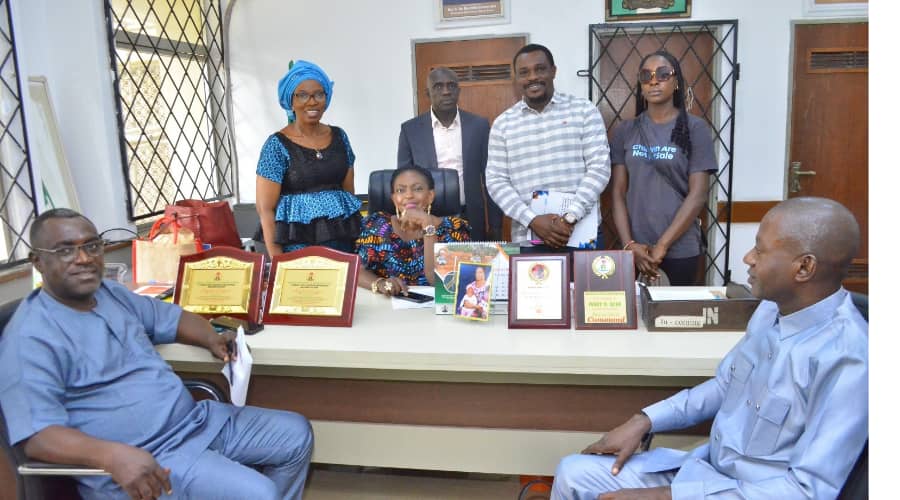
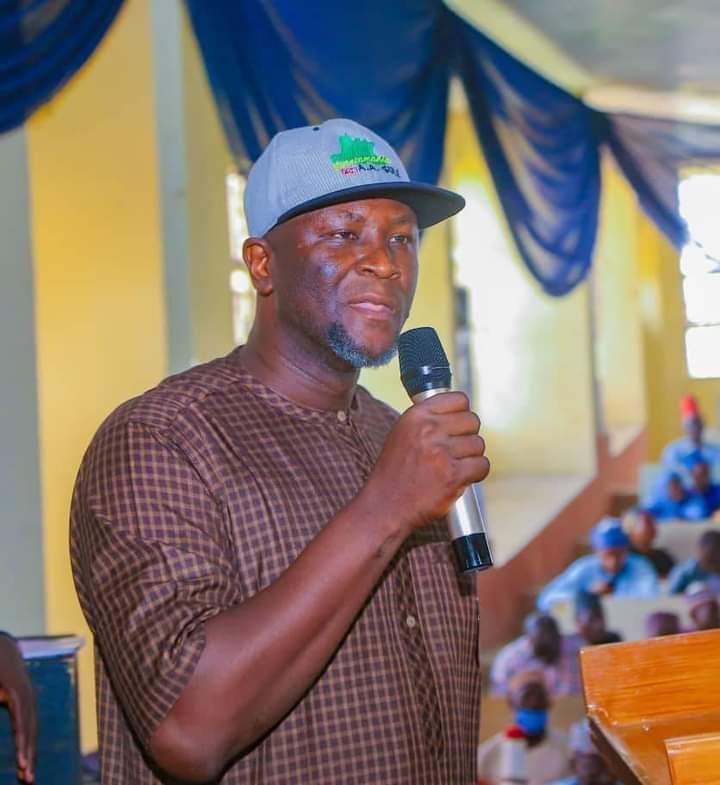
An international NGO, World Sustainable Development Goals Organization- Nigeria has applauded the Benue State Governor, His Excellency, Rev. Fr. Dr. Hyacinth Iormem Alia over the persistent, resilient, and doggedness in the fight against poverty in Benue State.

The Country Representative, H.E Amb. Kolawole Rasheed Adenekan while making this known to the media on Sunday in Lagos State disclosed that the Governor’s initiative of establishing the Entrepreneurship and Wealth Creation Bureau, as well as the Benue State International Cooperation and Development Bureau is a welcome development and a good strategy in fighting poverty in the state.

In his words, “Benue State, often referred to as the “Food Basket of the Nation” in Nigeria, owes its title to the fertile lands and the hardworking nature of its inhabitants. However, despite its agricultural potential, the spectre of poverty looms large over its populace. It is in this context that we turn our attention to the recent commendable initiatives by the Executive Governor Hyacinth, who has instituted profound strategies in the shape of the Entrepreneurship and Wealth Creation Bureau and the Benue State International Cooperation and Development Bureau. These efforts signal a hopeful future, one that resonates with the Sustainable Development Goal (SDG) 1: No Poverty.

“The establishment of the Entrepreneurship and Wealth Creation Bureau is a visionary step that Governor Hyacinth has taken to bolster the economic landscape of Benue State. Recognising the dire need to evolve beyond subsistence farming, this initiative serves as an incubator for small to medium-enterprise scalability, equipping the youth and other stakeholders with the indispensable acumen to thrive in today’s competitive market. By kindling the entrepreneurial spirit and providing the necessary resources and training, the bureau will transform ordinary individuals into proprietors of their fortunes.

“Parallel to this is the creation of the Benue State International Cooperation and Development Bureau, which underscores an innovative approach to governance. This bureau’s remit includes tapping into global partnerships and developmental programmes, thereby channelling international expertise and funds into the state’s developmental projects. By aligning local needs with international initiatives, Governor Hyacinth has paved a viable pathway for infrastructural as well as social development that is poised to lift individuals out of poverty.

“The significant impact of these bureaus cannot be overstated. They serve as critical pathways to achieving SDG Goal 1, which encompasses various targets directed at eradicating poverty in all its forms everywhere. This ambitious target, as outlined by the United Nations, hinges not only on the increase of resources but also on the sustainable management of these resources.

“Moreover, the focused approach taken by Governor Hyacinth and his administration has been lauded by the World Sustainable Development Goals Organization. The interconnectedness of poverty reduction strategies with sustainable development is critical. We have observed through the institutional support provided by the Entrepreneurship and Wealth Creation Bureau, Benue State has seen a growing number of successful entrepreneur-led businesses, thereby leading to job creation and an upswing in the state’s gross domestic product (GDP).

“While the contributions toward poverty reduction by the current administration are remarkable, it is imperative to acknowledge that the journey toward complete eradication of poverty is an ongoing battle that requires steadfast commitment and continuous innovation. It is here that the sustainable models adopted by Governor Hyacinth shine as beacons of hope and practical blueprints for other states to emulate. As agricultural reform takes centre stage, coupled with the fostering of international partnerships, Benue State is set to witness a reduction in poverty levels that could serve as an exemplar for the rest of Nigeria.

“The appreciable strides made by Governor Hyacinth in establishing the Entrepreneurship and Wealth Creation Bureau alongside the Benue State International Cooperation and Development Bureau are nothing short of visionary. These efforts, specifically tailored to address the dire poverty scenarios in Benue State, not only contribute to the attainment of SDG Goal 1—No Poverty but also showcase the pivotal role of state governance in socio-economic transformation. It stands as a testament that targeted, well-thought-out strategies can be effective in mitigating and eventually eradicating poverty, ensuring that the citizens of Benue State are empowered to lead more sustainable and prosperous lives. Governor Hyacinth’s ground-breaking initiatives offer concrete proof that with the right leadership, dedication and global cooperation, poverty can be addressed—ushering in a new era of prosperity and hope for the state”, Adenekan said.

World Sustainable Development Goals Organization-Nigeria lauds Governor Abiodun’s five-point agenda’s impact on Ogun State

In recent times, the governance of Ogun State under the astute leadership of Governor Dapo Abiodun has received laudable accolades for its substantial impact on the state’s development trajectory. The commendation from the Nigerian Country Representative of the World Sustainable Development Goals Organization, His Excellency, Engineer Kolawole Rasheed Adenekan, underscores the effectiveness of Governor Abiodun’s five-point agenda. This agenda, focusing on Infrastructure, Social Welfare and well-being, Education, Youth Empowerment, and Agriculture (ISEYA), has not only aligned with the Sustainable Development Goals but has also produced more results than initially anticipated.

Governor Abiodun’s five-point agenda was established as a strategic roadmap aimed at fostering the holistic development of Ogun State. The agenda’s focus on Infrastructure, Social Welfare and well-being, Education, Youth Empowerment, and Agriculture resonates with several of the Sustainable Development Goals (SDGs) such as SDG 3 (Good Health and Well-being), SDG 4 (Quality Education), SDG 8 (Decent Work and Economic Growth), SDG 9 (Industry, Innovation and Infrastructure), and SDG 11 (Sustainable Cities and Communities) among others. The alignment of the state’s agenda with the Global Goals is commendable and promises to elevate the state’s position both nationally and on the global stage.

The Ogun State born Adenekan Kolawole has this to say, “Infrastructure is the backbone of socio-economic development. Recognizing this, Governor Abiodun’s administration has made significant strides in this area. The construction of durable roads, the establishment of energy projects, and investment in water management and sanitation facilities have markedly improved the quality of life for Ogun State residents. This is aligned with SDG 9, which advocates for resilient infrastructure (United Nations, 2015).

The Nigerian Country Representative, World Sustainable Development Goals Organization, H.E., Engr. Kolawole Rasheed Adenekan made this commendation in Lagos during an exclusive interview with journalists

“The social welfare programs led by Governor Abiodun have directly enhanced the well-being of citizens by providing access to healthcare, housing, and social security. Initiatives such as expanded healthcare services underscore the administration’s commitment to SDG 3, which seeks to ensure healthy lives and promote well-being for all at all ages.

“Education is a potent tool for empowerment and a fundamental human right. Governor Abiodun’s initiatives in revamping educational facilities, introducing digital literacy programs, and establishing training centers for teachers align with the objectives of SDG 4, which aims to ensure inclusive and equitable quality education.

“Youth empowerment is crucial for sustainable development and economic growth, and it represents a significant focus of the ISEYA agenda. Initiatives in this regard have included entrepreneurship programs, skills acquisition schemes, and technology hubs, directly impacting the economic prospects of the state’s youth and aligning with SDG 8 efforts on promoting sustained economic growth and decent work.

“The fifth pillar – Agriculture – has seen the incorporation of modern farming techniques, provision of agricultural loans, and capacity building for farmers, with the aim of boosting food security and generating employment. This follows the ethos of SDG 2, which aims to end hunger and promote sustainable agriculture.

“Commendably, Ogun State’s agricultural sector has seen immense growth, attracting private investments and partnerships. Accordingly, this has not only increased production but also fostered sustainability in the agricultural practices within the state.

“The impacts of Governor Abiodun’s five-point agenda are profound and tangible in the lives of Ogun State citizens, as evidenced by the diverse initiatives that correlate with the United Nations’ SDGs”.

The Nigerian Country Representative of the World Sustainable Development Goals Organization, H.E., Engr. Kolawole Rasheed Adenekan’s commendation, is an endorsement of the effectiveness of the ISEYA agenda, recognizing it as a model for other states to emulate.

“These developments point to a wide-ranging upsurge in living standards, economic opportunity, and environmental sustainability within Ogun State, marking a pivotal shift in the actualization of the SDGs on a sub-national level. Governor Abiodun’s five-point agenda not only addresses immediate communal needs but also sets the stage for long-term prosperity and resilience.

“Governor Abiodun’s administration has provided a blueprint for regional transformation through its ISEYA agenda. This has positioned Ogun State as a paragon of development, setting a precedence that is ripe for replication across Nigeria and beyond. It stands as a testament to the significant strides being made towards the attainment of the Sustainable Development Goals and sets a benchmark for what can be achieved with considerate, inclusive, and dedicated governance”, he added.

Features: Benefits of Proactive Security Measures on Socioeconomic Development in Ogun State: The Success Story of Governor Dapo Abiodun’s Administration

In the bustling state of Ogun in the heart of Nigeria, there is a leader named His Excellency Dapo Abiodun, who has been working tirelessly to make life better for every person who calls this place home. Under his leadership, Ogun State has seen remarkable strides towards achieving the United Nations’ Sustainable Development Goals (SDGs), a set of targets that aim to make the world a fairer and healthier place.

Education is like a golden key that unlocks the door to our dreams, and Governor Abiodun knows this. The SDG 4 focuses on ensuring every child has access to a quality education. Numerous schools have been renovated and teachers have received better training, making classrooms a place where young minds can truly grow.

Our health is our wealth, and for a community to flourish, everyone must have access to good healthcare. Governor Abiodun’s administration has stayed committed to SDG 3, which aims to ensure healthy lives and promote well-being at all ages.

Imagine a world where whether you’re a boy or a girl doesn’t limit your chances in life. Governor Abiodun believes in this world, aligning his efforts with SDG 5, which chases the dream of gender equality. The “Building our Future Together Agenda” sets a prime example of including women in decision-making roles within the government.

Clean water is as important as air for us all, and Governor Abiodun is working to make this a reality through SDG 6. The administration is digging boreholes and improving water sanitization facilities, as reported by the News Agency of Nigeria, to ensure that every resident of Ogun State has access to clean and safe water.

A job does more than fill your pockets; it gives you a sense of pride and purpose. In working toward SDG 8, Governor Abiodun’s administration is noted for initiatives that create jobs, especially for young people. These range from farming programs to technology hubs, all aimed at boosting the state’s economy and providing meaningful work for its inhabitants.

We only have one Earth, and it’s our job to take care of it. Governor Abiodun’s government takes this job seriously, falling in line with SDG 12. They encourage responsible production and consumption by promoting recycling and sustainable agricultural practices in Ogun State, ensuring we use resources wisely and treat our planet with respect.

By setting these Sustainable Development Goals in motion within Ogun State, Governor Dapo Abiodun is steering the ship towards a future where no one is left behind. As children, by learning about these goals and seeing them in action, we can also play our part in making the world a better place. It ignites hope, showing us that, with the right leadership and collective effort, positive change is possible.

With evidence from various reliable sources, it’s clear that the administration of Governor Dapo Abiodun is not just making promises — it is taking tangible steps to improve the lives of people in Ogun State in alignment with the global aim to fulfill the Sustainable Development Goals. These strides across different facets of society showcase a commitment to progress that is worthy of acknowledgment and ongoing support.

As we applaud the work done so far, it’s also crucial to remain watchful and participate actively in our community’s advancement toward these global goals. After all, every single one of us, even at elementary school age, can contribute to shaping a brighter, more sustainable future for Ogun State and the world beyond.

The significance of security for socioeconomic development cannot be overstated. As cogently argued by scholars and practitioners alike, the correlation between peace, security, and prosperity forms the cornerstone of thriving societies (Baldwin, 1995). In recent times, one remarkable instance of the proactive implementation of this principle has been found in the actions of the Governor of Ogun State, His Excellency Dapo Abiodun, whose administration initiated a formidable Security Trust Fund. This prompt and strategic address of security challenges by Governor Abiodun not only enhanced law and order but has substantially contributed to Ogun State’s emergence as the second most viable state economically in Nigeria.

Furthermore, this development aligns harmoniously with Sustainable Development Goals 1 and 15, which call for the eradication of poverty and the protection of life on land, respectively.

Understanding the innate link between peaceful coexistence and development, Governor Abiodun architected the Security Trust Fund, a platform that galvanized stakeholders to contribute to combating crime. As reported by National Dailys, the Governor facilitated the procurement of over 100 patrol vans, motorcycles, walkie-talkies, and other security paraphernalia, which greatly empowered the operational prowess of the state’s security agencies.

The enhanced gear, particularly the fleet of patrol vans and the introduction of surveillance drones, visibly bolstered the response time and strategic capabilities of the security forces. Empirical research delineates the critical importance of logistics in law enforcement effectiveness. The acquisition of such assets bridged a capacity gap that once hindered the state’s security apparatus.

Consequently, the infusion of these resources into public safety mechanisms precipitated a significant downtrend in criminal activities, thereby engendering an atmosphere conducive to economic activities. This assertion finds credence in the economic principle which posits that security and prosperity are interwoven (Smith, 1776).

Ogun State’s meteoric rise as a highly viable economic entity in Nigeria can be seen as a direct upshot of Governor Abiodun’s security reforms.

Studies conducted within Nigerian states illustrate a definitive pattern where crime reduction correlates with increased investor confidence.

In Ogun State, the visibility of new patrol vehicles and the employment of drones for surveillance have served as deterrents, diminishing the morale of would-be perpetrators. This point is augmented by a report released by Statista, demonstrating the positive effects of increased police visibility on crime rates recently.

The Security Trust Fund’s outcomes align remarkably with the SDGs, particularly Goal 1, which is no poverty, and Goal 15, which is life on land. A peaceful state is more likely to attract investments and tourism, contributing to an inclusive and sustainable economy, thus directly impacting poverty reduction efforts. Moreover, the synergy between security and conservation efforts is well documented. As security in Ogun State strengthened, it provided an enabling environment for the state to engage in more effective management of its ecological resources, serving biodiversity conservation and ecological balance objectives of SDG 15.

The forward-thinking leadership of Governor Dapo Abiodun demonstrated through the inception and execution of the Security Trust Fund, has paid dividends for Ogun State. The evident drop in crime rates, coupled with the state’s robust economic performance indicators, stands as a testament to the pertinence of prioritizing security in state governance.

Moreover, this strategic initiative has undoubtedly contributed towards Nigeria’s broader aspirations to realize the Sustainable Development Goals, specifically in lifting its citizenry out of poverty and ensuring the preservation of terrestrial ecosystems. Thus, it is reasonable to conclude that proactive security measures, such as those enacted by Governor Abiodun, not only offer immediate relief from the menace of crime but also lay a sustainable foundation for economic viability and environmental stewardship.

It is hoped that other states within the federation, and indeed countries across the globe, will look towards Ogun State’s model as a blueprint for harmonizing security approaches with socio-economic development agendas.

Written by Emmanuel Huleji Daudu, +234 9036683775

Sponsored by World Sustainable Development Goals Organization,worldsdgs.org, info@worldsdgs.org

CISLAC Commends President Tinubu’s Dialogue Initiative, Urges Focus on Citizens’ Concerns

Bilkisu Adejoh

The Civil Society Legislative Advocacy Centre (CISLAC) has praised President Bola Ahmed Tinubu for his recent call for dialogue with protesters, urging a suspension of further demonstrations.

In a statement signed by Executive Director Auwal Musa Rafsanjani, CISLAC acknowledged the President’s recognition of the grievances fueling the protests and his commitment to addressing the concerns of Nigerian citizens.

President Tinubu highlighted the necessity of unity and collective action to reshape Nigeria’s future, calling on all Nigerians, regardless of age, political affiliation, tribe, or religion, to work together for a better nation.

“CISLAC stands firmly with the demands for justice, reform within the administrative justice system, and improved governance,” Rafsanjani stated.

“This will ensure a just and prosperous nation where peace, freedom, and meaningful livelihoods are enjoyed under a transparent and accountable government.”

Rafsanjani, who also chairs Amnesty International Nigeria and heads Transparency International Nigeria, emphasized that President Tinubu and his appointees should cease linking the protests to political agendas, as such attempts divert attention from the deep poverty affecting millions of Nigerians. Instead, the government should focus on inclusively improving the economy.

The organization appreciated President Tinubu’s stance against ethnic division and threats, stressing their incompatibility with Nigeria’s aspirations.

CISLAC underscored the importance of maintaining peace, law, and order while upholding human rights in line with international conventions to which Nigeria is a signatory.

“The safety and security of all Nigerians are paramount,” Rafsanjani added.

CISLAC called on Nigeria’s security operatives to respect human rights, ensuring that peace, law, and order are maintained accordingly. The President must also direct security agencies to avoid human rights violations.

As a prominent civil society organization, CISLAC urged all stakeholders to heed the President’s call for dialogue, highlighting the necessity of open and constructive conversations to address the underlying causes of unrest and find sustainable solutions.

CISLAC remains committed to supporting these efforts and contributing to the realization of a peaceful, democratic, and prosperous Nigeria.

Funab President/CEO Ajia Congratulates Aliagan on his election as NGIJ President

The President/CEO of Funab Group of Companies Ltd, Alhaji Ibrahim Mohammed Ajia has congratulated the Kwara-born Investigative Journalist, Abdulrahman Aliagan on his election as the President of Nigerian Guild of Investigative Journalists (NGIJ) in a keenly contested election on Saturday.

Ajia, in a statement released, Sunday, Ajia extended a heartfelt congratulations to Malam Abdulrahman Aliagan on his resounding victory as the President of The Guild.

Aliagan, the Director of Communications to Alhaji Ibrahim Mohammed Ajia, emerged victorious during the virtual election on Saturday, August 3, 2024. He secured an impressive 57 per cent of the total votes cast, defeating his contender Bolaji Israel, who garnered 43 per cent.

Ajia expressed confidence in Aliagan’s leadership, praising his exemplary qualities and track record of excellence. “The Funab Group of Companies Ltd fully supports Aliagan and the newly elected executive members as they take on their responsibilities in the NGIJ.”

The statement emphasized the importance of Aliagan’s election and highlighted the expected positive impact he and his team will have on the guild and the journalism profession.

According to the statement, “The Funab Group of Companies Ltd. looks forward to a renewed sense of commitment and purpose in the management of the affairs of the NGIJ.”

Ajia added that this new feat is a testament to the recognition and support extended by the business community to the journalism profession, given the important role they play in the society.

The Positive Implications of Governor Umar Bago’s Scholarship Initiative in Niger State towards Achieving SDG 4

The commitment towards inclusive and quality education for all, as encapsulated in Sustainable Development Goal 4 (SDG 4), is fundamental to the progression of any society. In light of this, the recent development within Niger State, where Governor Umar Bago has awarded scholarships to 1,530 final year secondary school students, marks a pivotal stride in bolstering the educational landscape of the state.

Governor Umar Bago’s educational policy demonstrates an acknowledgement of the dire need to boost education within the state. By directly alleviating financial burdens from the shoulders of students’ families, the scholarship initiative permits 1,530 individuals to focus more intently on their academic pursuits without the fear of pecuniary obstacles.

The provision of scholarships to students in Niger State is a robust countermeasure against the financial barriers that often deter or entirely halt the educational endeavors of young aspirants. With nearly 10.5 million children out of school in Nigeria, according to UNICEF “https://www.unicef.org/nigeria/education”, any alleviation of scholastic costs is a welcome development. By extending educational opportunities through fiscal support, the state encourages the continuity of academic input and reduces dropout rates.

Governor Umar Bago’s scholarship scheme is inclusive of women, promoting gender equality – a secondary but equally important component of SDG 4. Research has illustrated that supporting girls’ education can lead to a cascade of benefits, including delayed marriage, reduced fertility rates, and increased socio-economic advancement. A scholarship allocation to female students signifies a stride towards generic empowerment and advocacy for equal educational access.

Enhancement of Educational Quality:
“Quality education” implies a certain standard of learning is being upheld and improved over time. Scholarships provide resources that can facilitate access to better educational materials, technology, and extracurricular programs. This supports the UNESCO’s framing of quality education, which stresses the importance of proficient teachers, adequate resources, and safe learning environments. As more students gain uninterrupted access to these fundamental requirements through financial aid, educational quality within Niger State is poised for advancement.

The scholarships are
not only for the academically meritorious but also for the economically disadvantaged and those from marginalized communities. Analytical researches highlights that educational grants play a significant role in levelling the playing field and enabling those from less privileged backgrounds to attain academic success. Hence, this policy is an exemplar of the social inclusivity ethos propounded by the SDGs.

Governor Bago’s initiative will have a substantial long-term economic impact on the state. some people argues that education is a cornerstone of economic development. As more individuals complete secondary education, the state increases its cohort of prospective professionals, potentially attracting investment and fostering innovation. In the words of economic theorists, human capital development is the sine qua non for economic expansion – a principle that reverberates through the corridors of this scholarship program.

Governor Umar Bago’s decision to award scholarships to final year secondary school students in Niger State presents not merely a commendable gesture of political will, but an essential move towards actualizing the holistic vision introduced by SDG 4. The initiative reflects a multi-dimensional impact: vanquishing economic obstructions, elevating educational quality, ensuring gender parity in educational access, assisting marginalized groups, and fuelling long-term economic fortitude. With this scholarship scheme, Governor Bago has set a precedent for other states to emulate, paving the way for a nationally orchestrated crusade towards the realization of quality education for all. Should this momentum be sustained and the initiative broadened, one may envisage the emergence of a Niger State where every child, irrespective of their background, has the power to wield education as the key to unlocking a future brimming with promise and potential.

Written by Emmanuel Huleji Daudu,
+234 9036683775
daudupress@gmail.com

Sponsored by World Sustainable Development Goals Organization, worldsdgs.org, info@worldsdgs.org

Features: The Impact of the 3.5 Billion Naira Agricultural Development Fund on Youth Engagement and Socio-economic Fortification in Niger State

By Emmanuel Huleji Daudu

The recent initiative by Governor Umar Bago of Niger State establishing a 3.5 billion naira Agricultural Development Fund represents an ambitious investment in the agricultural sector, aiming to bolster economic growth and tackle the rampant issue of youth unemployment in the state. Agriculture has long been the backbone of Nigerian economic stability; however, outdated practices and limited investment have hobbled its potential. This Agricultural Development Fund will significantly contribute to engaging youth, addressing economic challenges, and enhancing social resilience within the state. The ensuing arguments delve into the multifaceted ways in which this fund is pivotal to transforming and revitalising Niger State’s agrarian economy.

A significant consequence of economic downturns is the soaring rates of youth unemployment, which pose a latent threat to national stability. By investing in agriculture, Governor Bago is tapping into a sector with enormous potential to absorb a large proportion of young labour. The Fund will offer young Nigerians in the state access to capital, training, and necessary resources, which can incentivise entrepreneurship in farming and associated industries.Initiatives that target the modernisation and commercialisation of agriculture appeal to younger demographics, reframing farming as a viable career path.

The oil-reliant Nigerian economy has faced considerable fluctuations and vulnerability to global oil prices. By channeling funds towards agriculture, the state government is fostering diversification and safeguarding against volatile external markets. The Agricultural Development Fund will stimulate growth in various sub-sectors and create ancillary industries, contributing to a more robust economy. Diversification into agriculture is recognised to have a long-term stabilising effect on the economy.

Social essence in a state is shaped by the collective welfare of its populace. Investment in agriculture can enhance food security, reduce poverty, and improve social indicators, therefore strengthening community resilience. The Fund will catalyse rural development, reducing rural-urban migration and the subsequent strain on urban infrastructure.

Incorporating sustainable agricultural practices through the use of the fund will address ecological concerns while establishing a precedent for other states. The promotion of modern farming methods can aid in reversing land degradation and conserving water resources. Sustainable farming is linked to long-term productive capacity.

The 3.5 billion naira Agricultural Development Fund introduced by the Niger State governor, Umar Bago, possesses the transformative capacity to engage youth, revitalise the economy, and fortify the state’s socio-economic construct. By incentivising young individuals to enter the agricultural sector, the government is leveraging untapped human capital while crafting a stable economic trajectory that diversifies from the over-dependence on oil. Enhanced food security and poverty reduction efforts are pivotal social benefits derived from such investment. Instituting sustainable practices also ensures environmental stewardship and long-term viability. However, this innovative venture stands as a potent blueprint for economic and social development in Niger State, with the potential to be replicated across the nation.

Also, he took a commendable step in boosting the agricultural productivity of the state with the procurement of 300 tractors, which were distributed across various farming communities. Given the agrarian nature of Niger State, such an initiative is poised to have a substantial impact on the state’s agriculture sector. Analytically speaking, the significance of this move by Governor Bago can be assessed in terms of increased agricultural output, improved efficiency, bolstering the local economy, enhancing food security, and fostering sustainable farming practices.

The introduction of mechanized farming through the distribution of tractors is bound to significantly increase the agricultural output of Niger State. Traditional farming methods, which rely on manual labour, are notoriously inefficient and cannot compare to the productivity achieved through mechanization. According to a report published by the Food and Agriculture Organization (FAO), the use of tractors and other machinery can lead to an increase in crop production by 30% to 50% (FAO, 2017). This statistic is particularly relevant to Niger State, which predominantly engages in agriculture.

Mechanization leads to more efficient farm operations, as it allows for timely sowing, planting, and harvesting. It reduces the drudgery associated with manual labour and can complete tasks that would take much longer if done by hand. This efficiency not only benefits the farmers but also stimulates a ripple effect on the overall supply chain of agricultural products. The World Bank’s research underscores the benefit of mechanization, stating that it plays a crucial role in improving agricultural productivity.

Governor Bago’s tractor initiative stands to invigorate the local economy of Niger State. By increasing efficiency and productivity, it enables farmers to produce surplus crops that can be sold in markets. This economic activity stimulates the state’s economy by increasing the income of farmers and creating new opportunities for agricultural entrepreneurship. The procurement of tractors could also potentially create new jobs, such as machine operators, technicians, and individuals involved in the supply of spare part.

Food security is a critical issue in many parts of Nigeria, including Niger State. By boosting the state’s agricultural capacity, Governor Bago’s tractor scheme directly contributes to an increased food supply. A more abundant production of crops consequently leads to more stable food prices and greater accessibility to food. The United Nations establishes that food security is not only about food production but also accessibility and affordability.

The distribution of tractors can also promote sustainable agricultural practices. While mechanization often raises concerns about environmental impact, modern farming techniques that are facilitated by such equipment can actually lead to more sustainable farming when managed correctly. Tractors aid precision farming – benefiting land health – and ensure that the agricultural practices of Niger State can be better managed to reduce wastage and improve soil conservation.

The analytical assessment of Governor Umar Bago of Niger State’s decision to purchase and distribute 300 tractors across the state reveals a substantial positive impact on the agricultural sector. The initiative promotes increased agricultural output, enhances efficiency, fosters economic growth and job creation, improves food security, and encourages sustainable farming practices. Recognising the importance of such developments, it is essential that these initiatives are supported with the right policies and interventions to maximise their benefits for the state’s future and the well-being of its citizens.

Written by Emmanuel Huleji Daudu,
daudupress@gmail.com
+234 9036693775

Sponsored by World Sustainable Development Goals Organization, worldsdgs.org, info@worldsdgs.org

World Sustainable Development Goals Organization-Nigeria lauds Umar Bago over construction of IBB University Teaching Hospital

Gloria Yakubu

World Sustainable Development Goals Organization, Nigeria has commended the Niger State Executive Governor, His Excellency Umar Bago over the construction of the Ibrahim Badamasi Babangida University Teaching Hospital in Minna, says it would help in the implementation of goal 3 of the SDGs which is Good Health and Well-Being.

The Country Representative, His Excellency Engr. Kolawole Rasheed Adenekan, while making the commendation during the weekend in Lagos, stated that in the undulating terrains and diverse ethno-cultural landscape of Nigeria, Niger State emerges as a significant presence in the north-central region. Integral to the well-being of its inhabitants,
“Access to quality health care is not just a necessity but a fundamental human right. With the introduction of Sustainable Development Goal 3, which promotes Good Health and Well-Being, Niger State’s requirement for a fully functional hospital aligns seamlessly with global aspirations. Governor Umar Bago’s dedication towards establishing such infrastructure in the state has been commendable and reflects a staunch commitment to the populace’s wellness.

“A hospital serves as a cornerstone of a robust health system. In Niger State, the establishment of a full-fledged hospital is not just a structural development but a beacon of hope for the citizens. The denizens confront a myriad of health challenges, including prevalent cases of malaria, tuberculosis, and a high infant mortality rate. A hospital equipped with adequate facilities, professional staffing, and medical technology is a requisite tool in combating these health adversities.

“Moreover, health education and preventive care are equally significant in circumventing the escalation of disease. A hospital in the locality can serve as a centre for such educational campaigns, potentially reducing the burden of illness and fostering a more health-conscious society.

“The establishment of the IBB University Teaching hospital in Minna, Niger State is a direct contribution to achieving SDG 3. This goal, as part of the United Nations’ sustainable development framework, asserts the imperative of ensuring healthy lives and promoting well-being for all ages. By providing local access to quality health care, the population’s life expectancy will improve, maternal health will be safeguarded, and communicable diseases can be addressed more effectively.

“The target of universal health coverage within SDG 3 underscores the need for Niger State to possess a health care facility that caters to all, regardless of socio-economic status. The absence of a proper hospital would not only impede this target but would also leave a gaping void in achieving the wider SDG framework.

“Governor Bago’s foresight in the health care realm has been demonstrated through his administration’s policies, which have prioritised the health of Niger State’s residents. This aligns with research highlighting the role of effective governance in achieving health-related SDGs.”

While appreciating Governor Bago, he charged him with persistence and resilience for a democratic dividend-driven leadership.

World Sustainable Development Goals Organization-Nigeria lauds Umar Bago over construction of IBB University Teaching Hospital

By Gloria Yakubu

World Sustainable Development Goals Organization, Nigeria has commended the Niger State Executive Governor, His Excellency Umar Bago over the construction of the Ibrahim Badamasi Babangida University Teaching Hospital in Minna, says it would help in the implementation of goal 3 of the SDGs which is Good Health and Well-Being.

The Country Representative, His Excellency Engr. Kolawole Rasheed Adenekan, while making the commendation during the weekend in Lagos, stated that in the undulating terrains and diverse ethno-cultural landscape of Nigeria, Niger State emerges as a significant presence in the north-central region. Integral to the well-being of its inhabitants,
“Access to quality health care is not just a necessity but a fundamental human right. With the introduction of Sustainable Development Goal 3, which promotes Good Health and Well-Being, Niger State’s requirement for a fully functional hospital aligns seamlessly with global aspirations. Governor Umar Bago’s dedication towards establishing such infrastructure in the state has been commendable and reflects a staunch commitment to the populace’s wellness.

“A hospital serves as a cornerstone of a robust health system. In Niger State, the establishment of a full-fledged hospital is not just a structural development but a beacon of hope for the citizens. The denizens confront a myriad of health challenges, including prevalent cases of malaria, tuberculosis, and a high infant mortality rate. A hospital equipped with adequate facilities, professional staffing, and medical technology is a requisite tool in combating these health adversities.

“Moreover, health education and preventive care are equally significant in circumventing the escalation of disease. A hospital in the locality can serve as a centre for such educational campaigns, potentially reducing the burden of illness and fostering a more health-conscious society.

“The establishment of the IBB University Teaching hospital in Minna, Niger State is a direct contribution to achieving SDG 3. This goal, as part of the United Nations’ sustainable development framework, asserts the imperative of ensuring healthy lives and promoting well-being for all ages. By providing local access to quality health care, the population’s life expectancy will improve, maternal health will be safeguarded, and communicable diseases can be addressed more effectively.

“The target of universal health coverage within SDG 3 underscores the need for Niger State to possess a health care facility that caters to all, regardless of socio-economic status. The absence of a proper hospital would not only impede this target but would also leave a gaping void in achieving the wider SDG framework.

“Governor Bago’s foresight in the health care realm has been demonstrated through his administration’s policies, which have prioritised the health of Niger State’s residents. This aligns with research highlighting the role of effective governance in achieving health-related SDGs.”

While appreciating Governor Bago, he charged him with persistence and resilience for a democratic dividend-driven leadership.

Kwara-Born Aliagan Elected NGIJ President, Pledges to Elevate Investigative Journalism in Nigeria

In a landmark victory, Malam AbdulRahman Aliagan from Kwara State has been elected as the new President of the Nigerian Guild of Investigative Journalists (NGIJ). Aliagan, who currently serves as the Group Managing Editor of Time Nigeria Magazine, TimeNigeria Online, The PrimeTimes Online and The ArtDaily Nigeria Newspaper secured 57% of the total votes cast by delegates during the virtual election held on Saturday, August 3, 2024.

Addressing the audience after his election, Aliagan expressed his immense gratitude for the trust and confidence placed in him by his fellow NGIJ members. “I am both humbled and inspired by this honor, and I promise to dedicate every ounce of my energy and passion to leading our Guild to new heights,” he said.

Aliagan, an Abuja-based Journalist who previously served as the pioneer General Secretary of the Guild, outlined his vision for the NGIJ, which includes forging new partnerships, strengthening ties with national and international organizations, and elevating the Guild to unprecedented heights.

“Together, we will promote democracy, foster good governance, and drive development not just in Nigeria, but across the African continent,” he declared.

The new President also emphasized the importance of unity within the Guild, stating, “We may have had spirited debates and different perspectives during the campaign, but now is the time for us to come together as one, indivisible Guild. Our diversity is our strength, and I pledge to work tirelessly to harness the unique talents and experiences that each of you bring to the table.”

Aliagan’s election coincides with his birthday, making it a “double celebration” for the NGIJ and the new President. “I am truly humbled and overjoyed to share this moment with all of you, my cherished colleagues and friends,” he said, as he raised a toast to the Guild and the promise of a better Nigeria.

The newly elected NGIJ executive team includes Oyewale Oyelola as Vice President 1 (Administration & Communications Strategy), Comrade James Ezema as Vice President 2 (Investigations), Rowland Shuwa as General Secretary, Gbenga Shaba as Treasurer, Ifeoma Ikem as Auditor, and Abdullahi Gulloma as Public Relations Officer.

The Chairman of the NGIJ National Electoral Committee, Olalekan Oladigbo, announced that the Aliagan-led executive will serve for a two-year term, further strengthening the Guild’s commitment to democratic processes and good governance.