Renowned UNESCO Laureate, Aremu decorates Oyo Monarch with five stars Global Golden Medals

*Oyo State First Class Monarch Bags ICWLS’S
Golden Awards As “Most Notable and Top Distinguished King of the 21st Century”.

*VC CUICI, USA Commends Oba Sefiu Olawale Oyebola-Adeyeri III On Contributions To Nation-building.

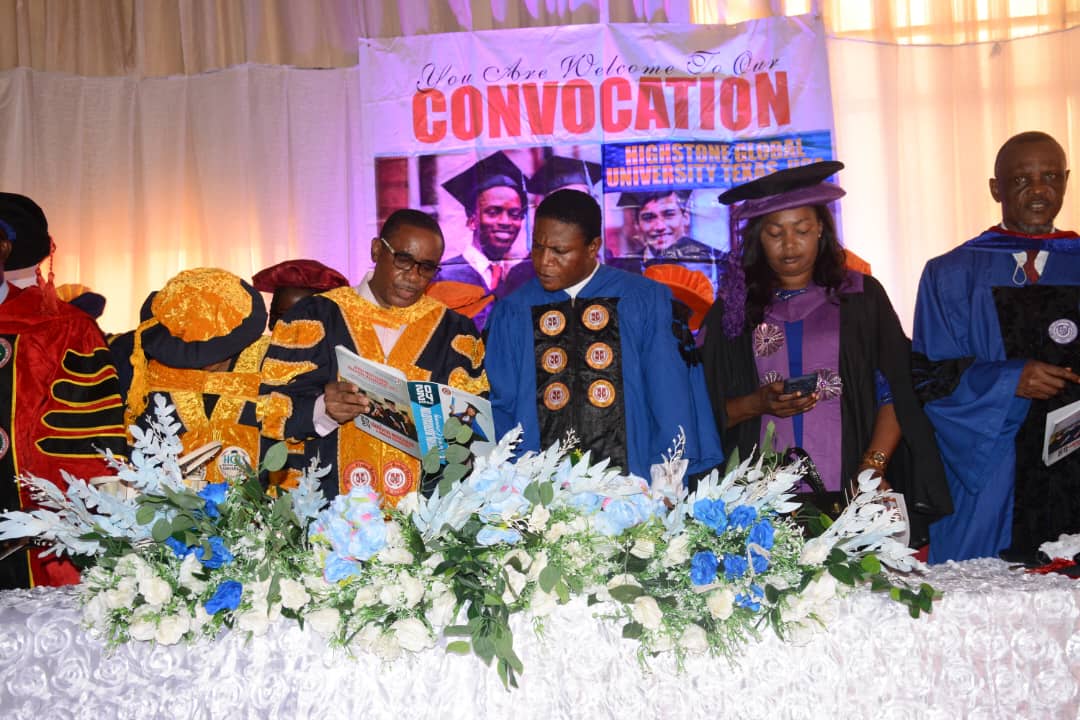
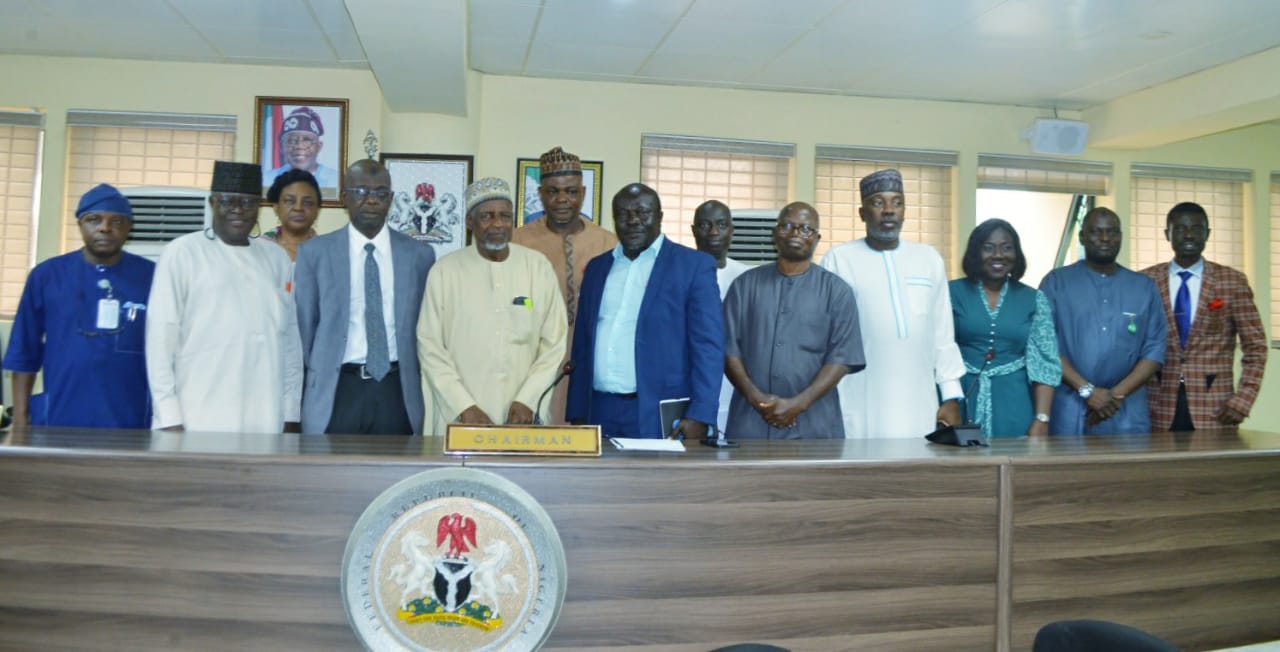
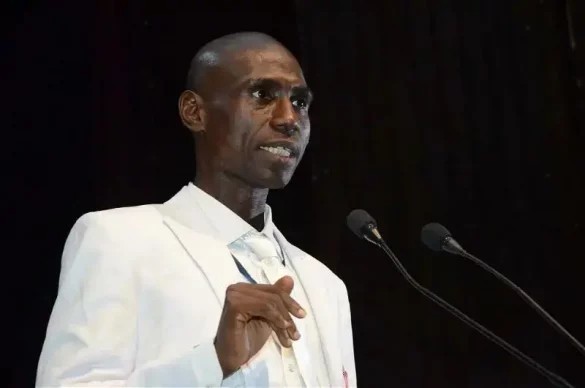
UNESCO Laureate, Prof Sir B. Aremu has on Thursday decorated one of the first class Monarchs in Oyo State, Oba Sefiu Olawale Oyebola-Adeyeri III as “The Most Notable & Top Distinguished King of the 21st Century”, coupled with Five Stars Global Golden Medals and other Awards of the ICWLS.

Aremu in a statement made available to some group of Journalists by his Executive Assistant On Media, Publicity & Communication Matters, Comrade Sir Bieni Victor Emenike today being on Thursday, August 15 2024 in Asaba, Delta State capital, he congratulated Oba Sefiu Olawale Oyebola-Adeyeri III, the Monarch of Iseyin Kingdom Oyo State, Nigeria who was honored as “The Notable and Top Distinguished King of the 21st Century” and Fellowship Award with Five Stars Global Golden Awards by the International Chartered World Learned Society.

The statement reads in part: “I, UNESCO Laureate use this medium to congratulate Oba Iseyin Olawale Oyebola-Adeyeri III on this great feats. He has been conferred with ICWLS’s Global Golden Awards as the “Most Notable & Top Distinguished King of the 21st Century”. According to a letter addressed to Oba Sefiu Olawale Oyebola-Adeyeri III of Oyo State, Nigeria by Prof. Dr (Sir) S. R. Boselin Prabhu on behalf of the Society, the Oyo State First Class Monarch was recently conferred the awards by UNESCO Laureate, Prof Sir Bashiru Aremu, the World Grand President of the Society.”

The statement by UNESCO Laureate & VC CUICI, USA while congratulating the Monarch on his Global Golden Awards reads in parts: “Oba Sefiu Olawale Oyebola Adeyeri III, Ajirotutu I
Oba Sefiu Olawale Oyebola-Adeyeri Ill was born on 6th April, 1969 to the family of Prince Kareem Oladejo Oyebola and Princess Afusat Olabisi Oyebola of Eyinade Royal Compound of Akando, a Royal Lineage of Aseyin of Iseyinland”.

“Kabiyesi had his primary school education between 1975 and 1981 at St Paul Primary School, Idi-Iroko, Iseyin, Oyo State. He proceeded to Ekunle Community High School for his secondary school education between 1981 and 1987. During his secondary school education, Oba Sefiu was also an apprentice with Noble Photo, Ita Epo, Iseyin for his Photography training”.

“Having completed his secondary school education, Kabiesi Oba Sefiu proceeded to Oyo State Self Employment Integrated Scheme, Odo-Ogun, Iseyin from where he obtained Certificate of Participation in Practical Agriculture between 1987 and 1990”.

“After going through a lot in life as an Orphan who lost his caring mother at the age of 1l and his father shortly after, Oba Sefiu had certifications in Insurance, Indemnity and Risks, Real Estate Management, IT-Oracle Primevera and Business Management. He is currently running a degree programme in Business Administration from Ivytech College, Indiana, United State of America”.

“He worked briefly but with outstanding impacts at Gabax Cinema, Ojodu, Lagos as a manager. During his stay at the Cinema House, Aseyin Sefiu established additional two branches in Lagos.

“Precisely In March 17, 1995, Oba Aseyin established his own Photography Studio in Lagos. As an expert in Insurance, Indemnity and Risks, Aseyin worked with International Standard Insurance Company as a Sales Representative and his performances then accorded him The Best Sales Representative for three consecutive year; 1998, 1999 and 2000”.

“Also prominent among the Insurance Companies Aseyin Oyebola worked with was Allied Insurance Company with memorable records of meaningful contributions to the establishment goal. He also work with Cashcraft Assets Management”.

“Aseyin was a contractor in plumbing works under his sole proprietorship company. He was a contractor to national and international companies including Shell and NPC. He combined businesses with politics. His roles in the emergence of President Olusegun Obasanjo remained memorable especially at Kosofe Local Government where he served as The Secretary of People’s Democratic Party (PDP) that produced Obasanjo as President of Federal Republic of Nigeria in the 1999 general elections”.

“He secured visa to United State of America in March 11, 2002 and became a citizen of the country in 2017. Oba Oyebola was a consultant on Currency Gold. He owned a transportation company, Alphatop, that consulted for United Nation and United States of America. As a result of his passion for film production, Aseyin established Gracehill Movies Production. He is also the Chief Executive Officer of Gracehill Blocks Industry”.

“Aseyin of Iseyin was an advocate against Gun Violence in United States. He established TIMI PROJECT REVEAL as a Non-Governmental Organization to immortalize his preciously loving son who died in 2018. The initiative was to educate and empower young people against gun violence. He secured appointment as supervisor with United States Postal Service”

“(USPS), the position he held till his clarion call to fill the vacant stool of Aseyin of Iseyinland, Iseyin, Oyo State, Nigeria. His emergence as Aseyin led to his resignation from active service of USPS in October, 2023. Oba Oyebola is a Philanthropist of global recognition, an Entreprenuer of note and Contractor with integrity and pedigree”.

“Aseyin is happily married to Olori Mariam Oyebola and also blessed with a daughter Oluwaseyi Oyebola who is currently studying Medicine at the United States of America”.

“UNESCO Laureate, Prof Sir Bashiru Aremu is the the Vice Chancellor, Crown University International and World Acclaimed Distinguished Professor of Computer Science, Information and Communication Technology The World Grand President, International Chartered World Learned Society, World Grand Chairman , University of Nations for Quality Education, México and associates world wide, World Grand President, World Accreditation Commission, Chairman/Pro Chancellor, Board of Trustees, Chartered Intl. Da Vinci University, Vice President for International Affairs”.

“UNESCO Laureate is the Chairman Board of Trustees of West Coast Intl. University of Science, Technology, Management and Arts; Vice President International Affairs (Vice Chairman International Affairs of Board of Trustees) Sastra Angkor University Kingdom of Cambodia; Deputy Director General for Africa and Research Professor at International Biographical Centre in Cambridge, UK. He had also, held positions as a World Grand Chancellor, Chartered World Order of the Knights of Justice of Peace”.

“UNESCO Laureate is the World Grand President, The Chartered World Institute of Encyclopedia of Books, World Grand President at Africa International Institute for Professional Training and Research, ; Vice President, International Centre for Eye Research and Education, Argentina, South America , Recipient Award as a World Acclaimed Distinguished Research Professor Emeritus of University of Nigeria, Nsukka, Nigeria and Fellow Editorial International Advisory Board at Cambridge Scholars Publishing, United Kingdom and several other institutions that have declared him as a World Acclaimed Distinguished Professor by various higher institutions worldwide”.

Aremu noted that the recognitions were based on Oba Sefiu Olawale’s immense contributions to Iseyin Kingdom, Oyo State , Yoruba nation, Nigeria and global knowledge industry through entrepreneurship & higher education, philanthropic services and other activities as well .

According to the statement, the insignia of the awards included certificates, a muffler, a Global Golden medal, a global golden frame of five stars and other instruments of the society which were presented in recognition of “the avocation, enthusiasm and reputation” of the honouree.

While congratulating Dr Oba Sefiu Olawale Oyebola-Adeyeri on behalf of the World Grand Board of Directors, ICWLS, including Prof. Sir Sarfraz Lloyd of Oceania, Prof. Sir Abhiram Kukshreshtha of Asia, Prof. Sir M. Howard Pilley of Europe and Prof. Sir Luis Emilio Abad of the Americas, Aremu urged the recipient not to relent in his efforts of adding value to humanity.

According to Prof. Sir Aremu, who is also the Vice Chancellor Crown University Int’l Chartered Inc., in USA, Santa Cruz, Argentina with official partners constituent campuses worldwide and online operation, Oba Sefiu Olawale Oyebola-Adeyeri III is a shining example of diligence, excellence and competence from whom the present and future generations will continue to draw inspiration.

While responding to the presentation of the awards, Oba Sefiu Olawale Oyebola-Adeyeri III appreciated the World Grand President and the ICWLS Board of Directors for deeming him worthy of the honour.

He stressed that he considered the honour and dedicated it to the good people of Iseyin Kingdom, Oyo State, Nigeria and the rest of the world which he is privileged to serve and contribute to Nation-building, growth and development of humanity at large.

Int’l NGO appoints HRH Usman Nga Kupi as member National Traditional/Mayor Council, set to flag off National sanitation project

By Maryam Aminu

The World Sustainable Development Goals Organization-Nigeria has appointed the Garki Chief of the Municipal Area Council, FCT, Abuja, HRH (Dr) Usman Nga Kupi, the Sapeyi of Garki as member National Traditional/Mayor Council of the World Sustainable Development Goals Organization-Nigeria.

The appointment letter which was presented to him on Thursday, 15th of August, 2024 at his Palace in Garki by the Country Representative, H.E. Engr. Kolawole Rasheed Adenekan, alongside his delegation, brought hope to the rural dwellers as the tendencies of domesticating projects are high.

While speaking, the country representative, disclosed that there would be a flag off of a national environmental project aimed at goal 11 of the SDGs and there by metamorphosing into goal 3 of the SDGs on Saturday the 17th of August, 2024 in Abuja.

However, in the sphere of sustainable development, the involvement of various stakeholders is both transformative and indispensable. Among these stakeholders, traditional rulers hold a particularly pivotal role, anchored firmly in their communities and often revered as custodians of culture and social norms. The inclusion of such figures in initiatives aimed at global betterment should not only be encouraged but duly recognized. The significance of traditional leaders in accomplishing the United Nations Sustainable Development Goals (SDGs), with a particular focus on the esteemed appointment of HRH. (Dr) Usman Nga Kupi, the Sapeyi of Garki, as a Member of the National Traditional/Mayor Council of the World Sustainable Development Goals Organization-Nigeria is a welcome development.

The country representative, H.E. Engr. Kolawole Rasheed Adenekan while speaking to the media on the appointed made, said, “traditional leaders, by virtue of their influence and respect within their communities, are uniquely positioned to catalyse progress towards the achievement of SDGs. In Nigeria, as in many parts of Africa and the world at large, such leaders are not just figureheads but play an active role in governance, especially at the local level. They often possess expansive knowledge about the social and economic networks within their communities, making them valuable assets in promoting grassroots development.

“The appointment of HRH. (Dr) Usman Nga Kupi echoes this sentiment and signifies a recognition of the symbiotic relationship between tradition and modernity in the pursuit of development. As a Member of the National Traditional/Mayor Council of the World Sustainable Development Goals Organization-Nigeria, His Royal Highness holds the responsibility of bridging the gap between high-level policy directives and on-the-ground realities.

“HRH. (Dr) Usman Nga Kupi’s appointment represents a sincere commitment to involving traditional rulers in the implementation of the SDGs. The World Sustainable Development Goals Organization-Nigeria has taken an admirable step in acknowledging that sustainable development requires adapting global initiatives to suit local contexts, a process in which traditional leaders are indispensable. HRH. (Dr) Usman Nga Kupi, instilled with both the knowledge of contemporary development challenges and the wisdom of traditional governance, embodies an innovative approach to achieving the SDGs at the community level.

“The Sapeyi of Garki, with his extensive experience and deep-rooted connections within the community, is tasked with not only endorsing the SDGs but actively engaging in strategic planning and execution of relevant programmes. His role is to ensure that the targets set by the SDGs seamlessly integrate into local development plans, respecting both the culture and the socioeconomic dynamics of the regions.

Community involvement is crucial to the successful implementation of development projects. Traditional rulers, such as HRH. (Dr) Usman Nga Kupi, can act as catalysts, invoking their influence to rally community support around the goals. They can also play a role in educating the populace about the importance of sustainable practices, thus fostering a supportive environment for the implementation of the SDGs.

“They do this not merely by virtue of their authority but through genuine engagement, understanding the needs of their people, and actively seeking solutions that align with sustainable development principles. As traditional and religious leaders are often the most respected figures in rural areas, their endorsement of projects and initiatives carries significant weight, paving the way for more effective policymaking and project execution

By promoting policies that reflect the ethos of the SDGs, traditional leaders can lead the charge in transforming resource management culture from one that is extractive to one that is conserving and regenerative. Furthermore, by advocating for fair and ethical practices, they can ensure that economic benefits derived from natural resources are equitably distributed among community member”, Adenekan added.

Int’l NGO appoints HRH Usman Nga Kupi as member National Traditional/Mayor Council

Maryam Aminu

In the sphere of sustainable development, the involvement of various stakeholders is both transformative and indispensable. Among these stakeholders, traditional rulers hold a particularly pivotal role, anchored firmly in their communities and often revered as custodians of culture and social norms. The inclusion of such figures in initiatives aimed at global betterment should not only be encouraged but duly recognized. The significance of traditional leaders in accomplishing the United Nations Sustainable Development Goals (SDGs), with a particular focus on the esteemed appointment of HRH. (Dr) Usman Nga Kupi, the Sapeyi of Garki, as a Member of the National Traditional/Mayor Council of the World Sustainable Development Goals Organization-Nigeria is a welcome development.

The country representative, H.E. Engr. Kolawole Rasheed Adenekan while speaking to the media on the appointed made, said, “traditional leaders, by virtue of their influence and respect within their communities, are uniquely positioned to catalyse progress towards the achievement of SDGs. In Nigeria, as in many parts of Africa and the world at large, such leaders are not just figureheads but play an active role in governance, especially at the local level. They often possess expansive knowledge about the social and economic networks within their communities, making them valuable assets in promoting grassroots development.

“The appointment of HRH. (Dr) Usman Nga Kupi echoes this sentiment and signifies a recognition of the symbiotic relationship between tradition and modernity in the pursuit of development. As a Member of the National Traditional/Mayor Council of the World Sustainable Development Goals Organization-Nigeria, His Royal Highness holds the responsibility of bridging the gap between high-level policy directives and on-the-ground realities.

“HRH. (Dr) Usman Nga Kupi’s appointment represents a sincere commitment to involving traditional rulers in the implementation of the SDGs. The World Sustainable Development Goals Organization-Nigeria has taken an admirable step in acknowledging that sustainable development requires adapting global initiatives to suit local contexts, a process in which traditional leaders are indispensable. HRH. (Dr) Usman Nga Kupi, instilled with both the knowledge of contemporary development challenges and the wisdom of traditional governance, embodies an innovative approach to achieving the SDGs at the community level.

“The Sapeyi of Garki, with his extensive experience and deep-rooted connections within the community, is tasked with not only endorsing the SDGs but actively engaging in strategic planning and execution of relevant programmes. His role is to ensure that the targets set by the SDGs seamlessly integrate into local development plans, respecting both the culture and the socioeconomic dynamics of the regions.

Community involvement is crucial to the successful implementation of development projects. Traditional rulers, such as HRH. (Dr) Usman Nga Kupi, can act as catalysts, invoking their influence to rally community support around the goals. They can also play a role in educating the populace about the importance of sustainable practices, thus fostering a supportive environment for the implementation of the SDGs.

“They do this not merely by virtue of their authority but through genuine engagement, understanding the needs of their people, and actively seeking solutions that align with sustainable development principles. As traditional and religious leaders are often the most respected figures in rural areas, their endorsement of projects and initiatives carries significant weight, paving the way for more effective policymaking and project execution

By promoting policies that reflect the ethos of the SDGs, traditional leaders can lead the charge in transforming resource management culture from one that is extractive to one that is conserving and regenerative. Furthermore, by advocating for fair and ethical practices, they can ensure that economic benefits derived from natural resources are equitably distributed among community member”, Adenekan added.

DICON’s 60th Anniversary: A Call for Private Sector Investment and Local Manufacturing in Nigeria’s Defence Industry- Ned Nwoko

Maryam Aminu

The Defence Industries Corporation of Nigeria (DICON) has successfully marked its 60th anniversary with a grand celebration that drew attention to the crucial role of private sector investment and local manufacturing in strengthening Nigeria’s defence industry.

The event, held at the Shehu Musa Yar’Adua Centre, Abuja, also served as the platform for the maiden Africa Defence Industries Conference (ADIC).

Speaking during the event, Senator Ned Munir Nwoko, a prominent member of the Senate Committee on Defence, highlighted the vast potential of Nigeria’s defence sector to drive economic growth.

As the Chief Book Launcher at the event, Senator Nwoko stressed the importance of harnessing the nation’s resources to develop a robust defence industry, echoing the sentiment that this sector could become a significant driver of Nigeria’s economy, much like oil, gas, and banking.

“Nigeria’s defence sector is a global powerhouse in the making, with the potential to rival other key economic sectors if properly harnessed,” said Senator Nwoko.

He urged for substantial investments and active private sector participation, asserting that the responsibility should not rest solely on the government.

The Senator emphasized the critical need for local production and manufacturing within the defence sector.

“We have the capacity and the financial resources to make our defence industry as profitable as any other sector in Nigeria,” he noted.

Sen. Nwoko further called on the government to support specialized companies through licensing and approval processes, while also promoting public awareness to attract investment, create jobs, and reduce reliance on imports.

The Senator in a show of commitment to the future of the Nigerian defence industry, made a significant announcement of rewarding the top three contestants with AI-assisted technological business ideas for the sector with the sum of $10,000 each.

This initiative underscores the ongoing efforts to foster innovation, drive economic growth, and build a stronger, self-reliant Nigeria.

As the event came to a close, the consensus was clear: unlocking the full potential of local manufacturing and private sector investment in Nigeria’s defence industry is not just an aspiration but a necessity for the nation’s future.

Presidency Condemns Chinese Company’s Attempt to Seize Nigerian Assets Abroad

Emmanuel Daudu

The Presidency has condemned the ongoing attempts by Zhongshan Fucheng Industrial Investment Co. Limited, a Chinese company, to seize Nigerian government assets overseas through what it described as “subterfuge and unorthodox means.”

The Special Adviser to the President on Information and Strategy, Bayo Onanuga, in a press statement he signed and made available to journalists on Thursday in Abuja, expressed that the Federal Government has emphasized that it is not under any contractual obligation with Zhongshan Fucheng.

The dispute, which the Chinese company is exploiting to target Nigeria’s assets, is between Zhongshan and the Ogun State Government.

The government highlighted that the Ogun State Government has been working diligently towards an amicable resolution of the matter. However, it firmly asserted that Zhongshan has no legitimate grounds for demanding restitution from Ogun State based on a 2007 contract to manage a free-trade zone.

He noted that the contract was revoked in 2015, when the company had only managed to erect a perimeter fence on the land designated for the project.

Despite ongoing efforts by the Ogun State Government and the Attorney-General of the Federation to resolve the issue, Zhongshan has pursued a series of legal maneuvers, including obtaining two orders from the Judicial Court of Paris on March 7, 2024, and August 12, 2024.

The Nigerian government insists that these orders were secured without proper notice to either the Federal Government or Ogun State, characterizing the company’s actions as part of a broader strategy to unjustly seize Nigerian assets abroad.

The Nigerian government accused Zhongshan of withholding vital information and misleading the Paris court into wrongfully attaching presidential jets undergoing routine maintenance in France, which are protected by diplomatic immunity.

Furthermore, the Presidency noted that Zhongshan has previously tried and failed to enforce its questionable judgment in both the United Kingdom and the United States.

The company is alleged to have sold its judgment to a venture capitalist aiming to profit by embarrassing the Federal Government and President Bola Tinubu.

The Nigerian government assured its citizens that it is working closely with the Ogun State Government to overturn the “frivolous” court order in Paris.

It reiterated its commitment to protecting national assets from predators and Shylocks who masquerade themselves as investors

DICON @60: Minister Urges Unwavering Commitment as Africa Defence Conference Sparks New Era in Nigeria’s Defense Industry

Maryam Aminu

As the Defence Industries Corporation of Nigeria (DICON) wraps up its 60th anniversary and the inaugural Africa Defence Industries Conference (ADIC), Nigeria’s Minister of State for Defence, Dr. Bello Matawalle, has issued a clarion call to stakeholders.

He emphasized the need to carry forward the spirit of innovation, collaboration, and resilience that was vividly displayed throughout the event.

In his closing remarks, Dr. Matawalle highlighted the profound significance of the celebration, which not only marked six decades of DICON’s dedication to national security but also underscored its evolving role in promoting self-reliance in defense production.

He stressed that the strength of a nation lies in the collective commitment to its defense and development.

Expressing deep gratitude to all participants, Dr. Matawalle acknowledged their critical role in shaping the future of DICON.

He urged stakeholders to remain resolute in their mission to enhance national defense capabilities, ensuring peace and stability for future generations.

The Director General of DICON, Major General Aniedi Edet, echoed this sentiment, describing the maiden African defense conference as a powerful affirmation of DICON’s essential role in national security and the advancement of indigenous defense manufacturing.

Major General Edet thanked the participants for their valuable contributions, noting that the innovative ideas presented are vital to DICON’s ongoing success.

The highlight of the event was the announcement of the winners of the Defense Innovation Ideas Awards, honoring three visionary individuals whose concepts promise to revolutionize Nigeria’s defense sector.

Major General Edet commended the awardees for their creativity and dedication, which he said embodies the forward-thinking spirit that DICON aims to foster.

As the event concluded, industry leaders, policymakers, and experts left with groundbreaking insights and strategic recommendations that promise to transform Africa’s defense capabilities. Reflecting on six decades of innovation and progress, the outcomes of the ADIC conference signal the dawn of a new era of collaboration and advancement for Africa’s defense industry, with Nigeria at the forefront.

Nigerian Military Assures Clampdown on Economic Saboteurs, Reveals Successes in Operations

Maryam Aminu

The Nigerian Military has highlighted their determination to restore peace and stability across the nation, ensuring a safer environment for all.

The Armed Forces of Nigeria have reported significant successes in their ongoing military operations across the country, with particular emphasis on the recently intensified war against crude oil theft in the Niger Delta. This effort has already resulted in a noticeable uptick in the nation’s crude oil production, a critical boost for Nigeria’s economy.

The Director Defense Media Operations, Major General Edward Buba made this known on Thursday in Abuja during the biweekly press briefing.

Major Buba while acknowledging that the country has not yet reached its desired daily crude oil production levels emphasized that troops will maintain their renewed vigor until production targets are not only met but exceeded.

This operation is part of a broader effort by the Armed Forces to combat various forms of criminality and terrorism throughout Nigeria.

During the review period, Nigerian troops conducted operations across multiple regions, achieving substantial victories.

He noted that Troops discovered and destroyed 84 illegal refining sites, recovering 920,800 liters of stolen crude oil, 88,760 liters of illegally refined diesel, and 7,500 liters of petrol.

They also destroyed equipment used for illegal refining, including 17 boats and 62 drums, and arrested 23 suspects involved in oil theft.

Reacting to insecurity facing the Northeast, he said under Operation HADIN KAI, troops neutralized 81 terrorists and arrested 52 suspects across several states, including Borno and Yobe. In a separate operation, 135 Boko Haram and ISWAP fighters, along with their families, surrendered to the military.

Troops under Operation SAFE HAVEN arrested 78 violent extremists and rescued 16 kidnapped hostages across Plateau and Kaduna States.

In the same region, Operation WHIRL STROKE led to the neutralization of 7 terrorists and the arrest of 23 suspects.

He noted that Operation HADARIN DAJI and Operation WHIRL PUNCH saw troops neutralize 30 terrorists, arrest 21 others, and rescue 44 kidnapped hostages across Katsina, Zamfara, and Kaduna States.

In addition, a significant gunrunning syndicate was disrupted with the arrest of several suspects and the recovery of a large cache of ammunition.

In furtherance, Operations UDO KA and AWATSE in the Southeast and Southwest regions respectively led to the neutralization of 12 violent extremists, the arrest of several suspected IPOB/ESN members, and the recovery of a range of arms and ammunition.

Major Buba reiterated its commitment to annihilating terrorist elements across the country and ensuring the safety of all Nigerian citizens.

He stressed that success in these operations is not solely dependent on military might but also requires the cooperation and support of the Nigerian people.

He urged all citizens to contribute to the ongoing fight against insecurity.

Nigeria to Begin Indigenous Production of Arms and Ammunition, Easing Pressure on Naira – Matawalle

Maryam Aminu

The Federal Government of Nigeria has announced a groundbreaking initiative to develop a robust ecosystem for the production of military hardware in Nigeria, leveraging the vast resources of the Ajaokuta Steel Plant.

This move is part of a broader strategy to strengthen the nation’s defense capabilities and stimulate economic growth.

The Ajaokuta Steel Plant, sprawling over 24,000 hectares, is set to play a central role in this initiative by supplying the essential raw materials required for the production of military equipment from small arms to advanced defense systems, the plant’s output is expected to meet the diverse needs of the Nigerian Armed Forces.

The Minister of State for Defence, Dr. Bello Matawalle, announced a significant stride towards indigenous arms manufacturing, stating that producing arms and ammunition locally will ease the pressure on Nigeria’s currency and improve its value in the foreign exchange market.

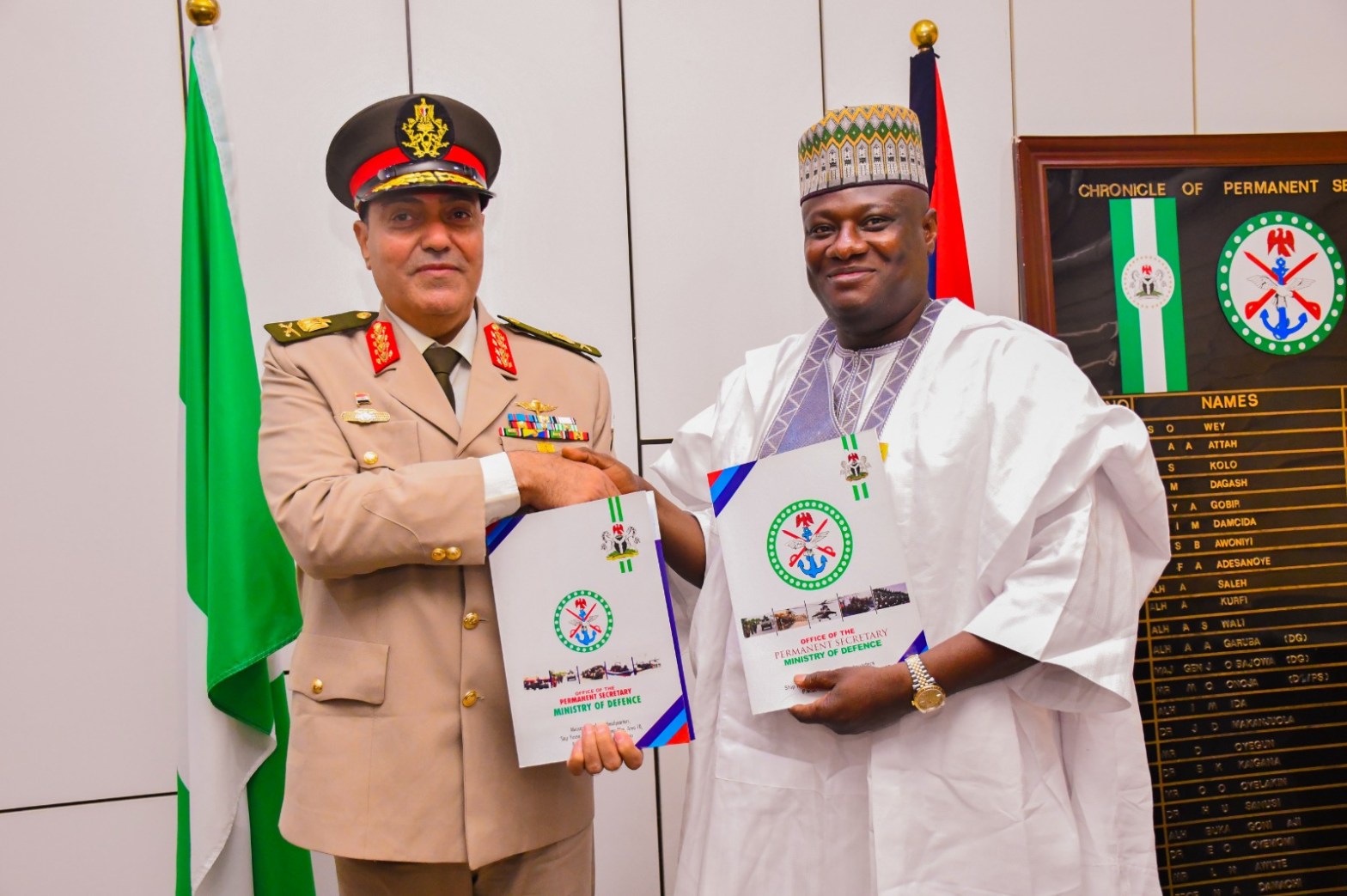
Speaking on Wednesday 14th August,2024 during the signing of a Memorandum of Understanding (MoU) between the ministries of Defence, Steel Development, and the National Agency for Science and Engineering Infrastructure (NASENI), Dr. Matawalle highlighted the country’s pressing need for ammunition. The Nigerian military alone requires approximately 200 million rounds annually, with the total demand rising to 350 million rounds when the needs of paramilitary forces and the police are included.

The Minister noted the MoU aims to facilitate the large-scale production of arms and ammunition within Nigeria through the military industrial complex, a significant step towards reducing dependence on foreign imports.

Dr. Matawalle expressed optimism that the revitalized Defence Industries Corporation of Nigeria (DICON) is on track to begin exporting military hardware in the near future.

“I made a promise to Mr. President that, as long as we are in the Ministry of Defence, before the expiration of these four years, DICON will be exporting its military capability. If we are manufacturing even 60 or 70 percent of our military hardware and ammunition, the ministry’s or military’s need for foreign exchange for importation would reduce significantly,” said Dr. Matawalle,

The Minister who also serves as the board chairman of DICON further explained that if the military industrial complex achieves its projected production volume, the pressure on foreign exchange markets would decrease as local security agencies would purchase ammunition in naira, reducing the need to source forex.

Also speaking, the Minister of Steel Development, Shuaibu Audu, emphasized the strategic importance of Ajaokuta in this collaboration.

“Ajaokuta provides the perfect platform for the military industrial complex. With its vast resources and existing infrastructure, it has the capacity to support the production of helmets, vests, rifles, bullets, and even military tanks,” he stated.

Audu highlighted that this collaboration would not only enhance Nigeria’s defense capabilities but also boost the economy by creating jobs and reducing reliance on foreign imports.

Ibrahim Kana, the Permanent Secretary of the Ministry of Defence, underscored the significance of the partnership with the private sector in establishing a self-reliant defense industry.

“This initiative will lay a solid foundation for a defense industry that can meet the needs of our armed forces while contributing to Nigeria’s economic growth,” Kana said.

Also, the Executive Vice Chairman of the National Agency for Science and Engineering Infrastructure (NASENI), Khalil Suleiman Halilu, stressed the national imperative of the Military Industrial Complex (MIC).

“In a rapidly evolving global security environment, it is crucial for Nigeria to position itself to address emerging threats with homegrown solutions,” Halilu stated.

He further noted, “Today, we are embarking on a journey that will redefine Nigeria’s defense landscape and secure our nation’s future. This partnership between NASENI and the Ministry of Defence is a testament to our commitment to harness Nigeria’s scientific and engineering expertise in the service of national defense.”

The partnership is expected to lay the foundation for a self-sufficient defense industry that will not only equip the military with the best tools to defend the nation but also contribute significantly to Nigeria’s economic development.

Signing of the MoU

President Tinubu Unveils Ambitious Future for Nigeria’s Defence Industry at DICON’s 60th Anniversary

Maryam Aminu

As Nigeria celebrates DICON’s 60 years of service, the vision laid out today sets the stage for a future where the country’s defence industry plays a pivotal role in both national security and economic development.

President Bola Ahmed Tinubu has reaffirmed his administration’s commitment to national security and technological advancement by unveiling a comprehensive strategy for Nigeria’s defence sector.

This announcement was made during the 60th-anniversary celebration of the Defence Industries Corporation of Nigeria (DICON) and the inaugural Africa Defence Industries Conference, held today in Abuja.

In his keynote address, President Tinubu who was represented by the Secretary to the Government of Federation, SGF, Senator George Akume
hailed DICON’s six-decade legacy of resilience and innovation.

Established in 1964, DICON has grown into a cornerstone of Nigeria’s military-industrial complex, producing essential ammunition and equipment for the country’s armed forces.

The President emphasized that DICON’s contributions during the Nigerian Civil War were pivotal in maintaining the nation’s unity, underscoring the corporation’s critical role in Nigeria’s defence history.

Tinubu further announced the signing of the DICON Act 2023, which he described as a milestone that creates the right environment for the corporation to modernize and expand its production capabilities.

“The newly automated production lines for various categories of ammunition, Mine Resistant Ambush Patrol Vehicles, Armoured Personnel Carrier, drones, and unmanned ground vehicles, for instance, will provide our armed forces with advanced equipment tailored to our contemporary challenges providing our troops with the required advantage over our adversaries.” Said Tinubu

He expressed that Introducing the BAT A-1 Specialised Assault Rifle and its production line will address small arms proliferation issues while equipping our security operatives with modern fighting capabilities.

“The proposed state-of-the-art micro motherboard processing facility will be the backbone of robotics and artificial intelligence innovations, leveraging resources from our newly inaugurated lithium development plant in Nasarawa State.

“Expanding our production capabilities and enhancing our research and development efforts will create jobs, develop human capital, and stimulate economic growth.

“Establishing a tech hub and R&D lab in Abuja will provide the enabling environment and attract young talent to foster a culture of Innovation, driving Nigeria’s defence industry forward”.

“We are on course to leap forward in Nigeria’s defence capabilities. These developments would bolster the nation’s efforts to combat terrorism, banditry, and other security challenges.” He said

The event also marked the launch of DICON’s Vision and Strategy Road Map 2030, which aligns with the President’s “Renewed Hope Agenda.” This strategic plan is designed to position DICON as a leader in defence innovation across Africa, driving economic diversification through industrialization, digitization, and manufacturing.

The roadmap sets clear objectives to enhance national security and promote sustainable development.

Speaking earlier, the Honourable Minister of State for Defence, Dr Bello Matawalle who delivered the opening remarks, lauded the DICON Act 2023 as a transformative legal framework that empowers the corporation to operate with greater autonomy and efficiency.

Matawalle also introduced the Defence Innovation Challenge, an initiative aimed at harnessing the talents of young Nigerians to advance national and regional security through innovative defence technologies.

The minister noted that over the past 60 years, DICON has made significant contributions to our nation’s defence architecture, providing the Nigerian Armed Forces with essential equipment and supporting the development of the military capabilities.

He expressed with delight the immense pride in this legacy of resilience and innovation.

Reacting to the recent enactment of the DICON Act 2023 by President Bola Ahmed Tinubu, Matawalle said it marks a turning point in the history of ths defence sector.

“This new legal framework empowers DICON to operate with greater autonomy and efficiency, enhancing its ability to meet the evolving defence needs of our nation.

“However, as we stand on the threshold of a new era, it is clear that the future holds even greater opportunities for growth and transformation of indigenous production in Nigeria.”

Speaking also, the Chief of Defence Staff, CDS, General Christopher Gwabin Musa said DICON has played their part in safeguarding the nation’s security and sovereignty.

“Today, we celebrate its achievements and look ahead to a future filled with even greater promise and potential,” the CDS said.

“As African nations continue to confront threats to peace and stability, it is essential that we work together to enhance our defence capabilities and foster regional cooperation.he noted.

”As we reflect on the security challenges grappling our respective nations today, there is a growing imperative to fully develop our indigenous production capacities, and strengthen our military industrial complex”he said.

In his address, the Director-General of DICON, Major General Aniedi Edet commended President Tinubu for the supportive roles being extended to the Corporation since assumption of office

Edet highlighted the corporation’s evolution from its early focus on small arms and ammunition production to its current diverse portfolio, which now includes ventures into civilian applications.

He expressed optimism about the future, citing the strategic partnerships and innovations that will drive DICON’s growth.

“DICON at 60 is more than a celebration; it is a call to action,” the Director-General said, urging stakeholders to collaborate in building a self-reliant defence sector.

Reacting to the theme of the conference “Future Frontiers in Africa’s Defence Technology”, the Director General said it challenges us to reflect on our collective journey, to innovate, and to strengthen the ties that bind us in our common pursuit of building a DICON that will guarantee self-sufficiency in the equipment needs of our Armed Forces, and other security agencies in Nigeria,”

Edet assured that the corporation would live up to expectations of the Federal government

RMAFC Clarifies Legislators’ Pay Amidst Ongoing Debate

Maryam AminuThe Revenue Mobilisation Allocation and Fiscal Commission (RMAFC) has addressed the ongoing controversy regarding the salaries and allowances of Members of the National Assembly of the Federal Republic of Nigeria.

The Revenue Mobilisation Allocation and Fiscal Commission (RMAFC) has addressed the ongoing controversy regarding the salaries and allowances of Members of the National Assembly of the Federal Republic of Nigeria.

This clarification comes in response to recent public discourse fueled by statements from elder statesmen, public affairs commentators, civil society organizations, and the media.

The issue gained renewed attention following comments made by former Senator Shehu Sani, who claimed that each Senator receives a monthly running cost of N13.5 million, in addition to a monthly salary of N750,000 as prescribed by the Commission.

RMAFC clarified that it does not have the constitutional authority to enforce compliance with the proper implementation of the remuneration package for legislators.

However, this issue is currently being addressed by the National Assembly.

A detailed breakdown provided by the Commission shows that each Senator is entitled to a monthly salary and allowances totaling N1,063,860. This sum includes a basic salary of N168,866.70, motor vehicle fuelling and maintenance allowance of N126,650, personal assistant allowance of N42,216.66, domestic staff allowance of N126,650, entertainment allowance of N50,660, utilities allowance of N50,660, newspaper/periodicals allowance of N25,330, wardrobe allowance of N42,216.66, house maintenance allowance of N8,443.33, and a constituency allowance of N422,166.66.

RMAFC further explained that while some allowances are paid regularly with the basic salary, others are non-regular and are paid as due. Notably, the furniture allowance of N6,079,200 and severance gratuity of N6,079,200 are paid once every tenure, while the vehicle allowance of N8,105,600 is an optional loan that must be repaid before leaving office.

The Commission emphasized that, unlike in the past, most political and legislative officers, except for key figures such as the President, Vice President, Senate President, and Speaker of the House of Representatives, are no longer provided with housing.

RMAFC also urged the public to critically assess any claims regarding allowances beyond those stipulated in the Remuneration (Amendment) Act, 2008, and advised that any such allegations should be substantiated by those making them.

To prevent the spread of misinformation, the Commission encourages Nigerians and interested parties to review the current remuneration package details for political, public, and judicial office holders, available on its official website: http://www.rmafc.gov.ng