Transformative Leadership: Air Marshal Abubakar’s visionary stewardship of the Nigerian Air Force

By Victor Akaa.

The Nigerian Air Force has undergone significant transformation since its inception. Successive Chiefs of Air Staff have left lasting legacies, shaping the force into what it is today. The current Chief of Air Staff, Air Marshal Hasan Abubakar, has been no exception. Despite his relatively short tenure, he has made a tremendous impact, building on the foundations laid by his predecessors.

Air Marshal Abubakar’s leadership has been characterized by a strong commitment to transformation and efficiency. With his wealth of experience and exposure to various operational responsibilities and leadership roles, he has brought a unique perspective to the force.

In the last 12 months, the Nigerian Air Force has witnessed unprecedented transformation under the visionary leadership of its 22nd Chief of Air Staff, Air Marshal Hasan Bala Abubakar. Since assuming command in June 2023, Air Marshal Abubakar has spearheaded a comprehensive overhaul of the NAF, focusing on leadership, innovation, and personnel welfare.

One of the significant achievements of Air Marshal Abubakar’s administration is the modernization of the Kaduna military airfield, which has been equipped with essential upgrades, including an instrument landing system, solar backup power, and advanced runway lights. Similar upgrades have also been carried out in Enugu and Port Harcourt. These upgrades have significantly enhanced the safety and efficiency of air operations, enabling the NAF to respond more effectively to national security challenges.

The NAF has also witnessed significant enhancements in its operational effectiveness under Air Marshal Abubakar’s leadership. This includes the integration of Unmanned Aerial Vehicles (UAVs), advanced training for combat operations, and the acquisition of new aircraft and infrastructure. Additionally, the NAF has prioritized safety measures, including safety education and training. These initiatives have significantly enhanced the NAF’s operational capabilities, enabling it to conduct more effective and efficient air operations.

Air Marshal Abubakar has placed a high premium on personnel training and development. In the last 12 months, the NAF has trained 163 pilots locally and 116 pilots abroad. Furthermore, 1,712 personnel received ground training locally, while 315 personnel were trained internationally. The NAF has also trained 1,111 technicians at the Air Force Institute of Technology. These training programmes have significantly enhanced the skills and knowledge of NAF personnel, enabling them to perform their duties more effectively.

The NAF has also strengthened its international partnerships under Air Marshal Abubakar’s leadership. The Air Force has participated in various international training programmes, including the Critical Assets Protection Squad Training, which was attended by 150 personnel.
Additionally, the NAF has bolstered its strategic partnerships with key international allies, including the United States, the United Kingdom, and France. These partnerships have enabled the NAF to leverage international expertise and resources to enhance its operational capabilities.

The NAF has also demonstrated a high level of collaboration with its sister services, including the Nigerian Army, the Nigerian Navy and other security agencies. This collaboration has enabled the NAF to contribute more effectively to joint operations, including counter-insurgency and counter-terrorism operations, banditry, oil bunkering and other sundry crimes.

The NAF has been instrumental in combating various security threats across the country, particularly through its collaborative efforts with the Nigerian Army, the Nigerian Navy and other security agencies. Notably, the NAF has conducted joint operations against Boko Haram insurgents in the Northeast, bandits in the Northwest, and oil thieves in the Niger Delta region.

These joint operations have yielded significant results, substantially degrading the insurgents’ capabilities and enabling the Nigerian military to reclaim previously occupied territories. The NAF’s airstrikes, in particular, have been crucial in weakening the insurgents’ strongholds.

In the Northwest, the NAF has targeted bandits who have been terrorizing communities through kidnapping, cattle rustling, and extortion. The air force’s operations have disrupted the bandits’ supply chains and revenue streams, making it increasingly difficult for them to sustain their activities.

Similarly, in the Niger Delta region, the NAF has conducted airstrikes against oil thieves, significantly reducing the incidence of pipeline vandalism and oil bunkering, thereby increasing oil production.

The success of these joint operations underscores the importance of inter-service collaboration and the effectiveness of the NAF’s air power in supporting ground operations. As the Nigerian military continues to confront various security challenges, the NAF remains a vital component of the country’s defence strategy.

The NAF has conducted several airstrikes and combat operations against Boko Haram insurgents and other criminal elements in the last 12 months. These operations have been conducted in collaboration with the Nigerian Army and other security agencies. For instance, the NAF conducted a series of airstrikes against Boko Haram insurgents in the Sambisa Forest, destroying several of their logistics bases and killing hundreds of insurgents.

Similarly, the NAF conducted airstrikes against bandits in the Northwest, destroying their camps and killing several of their leaders. These airstrikes and combat operations have significantly degraded the capabilities of these criminal elements, enabling the Nigerian military to restore peace and security to previously affected areas.

Air Marshal Abubakar has prioritized the welfare of NAF personnel, focusing on education, housing, medical care, and other aspects of personnel welfare. The NAF has also embarked on an infrastructural renewal programme, with over 809 projects completed or ongoing.
These projects include the construction of new barracks, offices, and other infrastructure, as well as the renovation of existing facilities.

Under his leadership, the Nigerian Air Force has made significant strides in various areas, including counter-insurgency, counter-terrorism, and air power development. His command philosophy, backed by five key enablers, has led to modest yet significant progress in various operational areas.

Air Marshal Abubakar’s achievements are a testament to his dedication and vision for the Nigerian Air Force.

In the last 12 months, Air Marshal Hasan Abubakar has demonstrated visionary leadership, transforming the NAF into a more effective, efficient, and responsive force. His focus on leadership, innovation, and personnel welfare has yielded significant dividends, and the NAF is poised to continue playing a critical role in defending Nigeria’s airspace and supporting national security objectives.

As the NAF continues to evolve and adapt to emerging security challenges, it is clear that Air Marshal Abubakar’s leadership has laid a solid foundation for the Air Force’s future success.

Born on September 11, 1970, in Shanono Local Government Area, Kano State, Air Marshal Abubakar has had an illustrious career spanning over three decades.

Air Marshal Abubakar attended the Nigerian Military School, Zaria, and later joined the Nigerian Defence Academy as a member of the 39 Regular Course. He was commissioned as a Pilot Officer in September 1992..

Air Marshal Abubakar has undergone extensive military training, including Ab-initio and Basic Flying Training Courses at the 301 Flying Training School, Kaduna. He also attended the Junior and Senior Command Staff Courses at the Armed Forces Command and Staff College Jaji, Kaduna State.

Throughout his career, Air Marshal Abubakar has held various roles, including Officer Commanding ‘B’ Squadron, Commanding Officer Base Services Wing, and Chief of Staff at Mobility Command, Yenagoa, Bayelsa State. He has also served as the Director of Policy and Director of Operations at the Headquarters Nigerian Air Force, Abuja.

Air Marshal Abubakar has gained international experience, serving as a Team Leader in Mahagi, Ituri Brigade, and as an Aviation Planning Officer at the United Nations Mission in the Democratic Republic of Congo (MONUC).

Air Marshal Abubakar has been decorated with several awards, including the General Service Star, Distinguished Service Star, and General Service Medal. He is also a member of various professional institutions, including the National Institute of Management, Chartered Institute of Personnel Management, and Fellow Institute of Safety Professionals of Nigeria.

Air Marshal Abubakar is happily married to Hajiya Rakiya Abubakar, and they have children. He enjoys flying aeroplanes and spends his leisure time reading, reflecting, and keeping fit.

Victor Akaa writes from Abuja
NIMC declares open a 2 Days workshop for Online Publishers, calls for more collaboration

By Emmanuel Daudu-Abuja

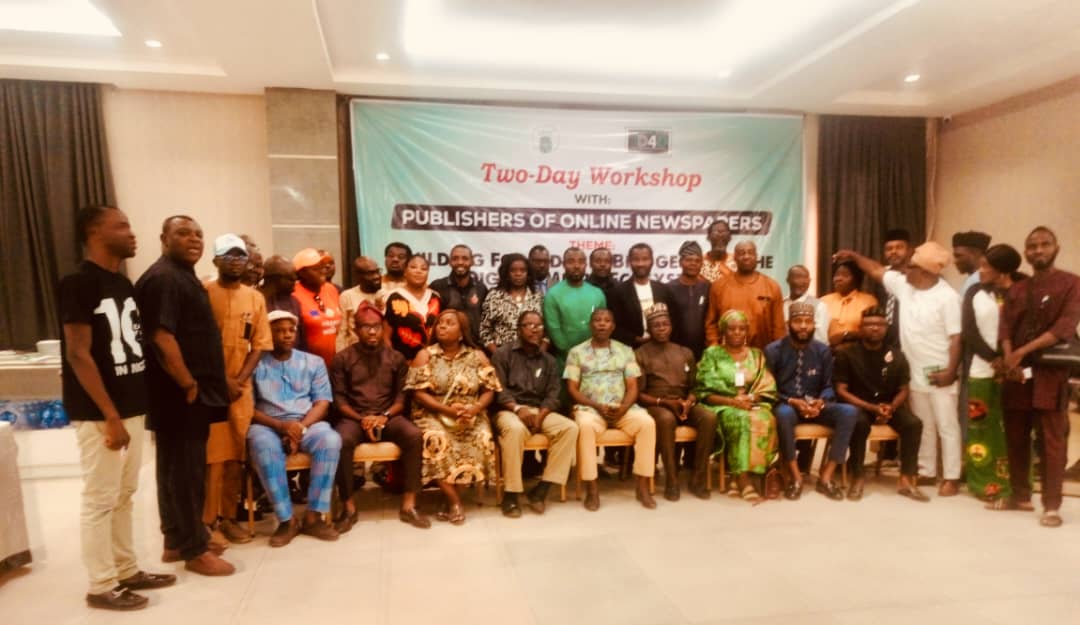
The National Identity Management Commission, NIMC, in collaboration with the Nigeria Digital Identification for Development, NigeriaID4D project, flags off  a 2-day roundtable discussion with online publishers with the theme, “building formidable bridges with the digital media ecosystem” .

The  workshop which was flagged of on the 28th of  November 2024 in Abuja, targets  innovative strategies for improving public awareness and participation in the National Identification Number (NIN) enrollment process across the federation.

The Director-General of NIMC, Engr. Bisoye Coker-Odusote,  represented by Engr. Lanre Yusuf, Director Information Technology and Identity Database (IT/IDD) talked on importance  of engaging online media as a pivotal step in strengthening the country’s identity management ecosystem as he stressed on how in high esteem the commission holds the media, pointing out that more of the media support and collaboration is needed for the commission to achieve its aims and objectives.

He emphasized that digital media plays a crucial role in connecting with Nigerians, particularly the youth and underserved communities. “By leveraging these platforms, we can address enrollment disparities and ensure that every individual has access to educational opportunities, ultimately working towards inclusivity and ensuring that no one is left behind”.

While speaking further, Engr. Coker-Odusote, outlined a five point agenda of the present NIMC administration to include; Nationwide Inclusion to ensure access to National Identification Number (NIN) enrollment for all Nigerians, including those in remote and underserved areas, to promote inclusivity and leave no one behind;  Data Integrity and Security to  Improve processes to ensure the accuracy and security of the NIMC database, protecting it from errors and fraud; Decentralized Operations to expand operations to reach all corners of the country, bringing services closer to the people and enhancing the efficiency of enrollment processes.

Others are: Stakeholder Collaboration to  Strengthen partnerships with key stakeholders such as the National Population Commission, Nigeria Immigration Service, and other entities involved in identity management to harmonize databases and ensure seamless service delivery; Capacity Building and Revalidation to enhance the capacity of Front-End Enrollment Partners (FEPs) and staff, revalidating the business model for fairness, and addressing outstanding payments to ensure operational sustainability.

He stressed that NIMC’s commitment to decentralizing operations, modernizing ICT systems, and strengthening partnerships with stakeholders and announced plans to introduce new technologies and streamline services to make the NIN enrollment process more accessible and user-friendly.

The Coordinator, Project Implementation Unit, Nigeria Digital ID4D Project, Mrs Tito Ejenavi stated that the project is designed to facilitate access to essential services and ultimately to stimulate demand for these IDs based on the improved accessibility to services they enable.

According to her, the Nigeria Digital Identification for Development Project is resilient in supporting the National Identity Management Commission in the drive to make our national identity system more robust, sustainable and inclusive.

“Part of our Mission is to assist NIMC in extending enrolment and identity issuance to all persons including the poor and marginalized groups of women, children, young girls, persons with disabilities, internally displaced persons (IDPs), refugees and migrants. Our mission is rooted in the principle of inclusion”, she added.

While discussing her paper, she pointed out that  the roundtable discussion with the online publishers will provide an overview into the projects which include improving NIN registration coverage, harmonizing biometric databases across government agencies, and enhancing the efficiency of identity verification systems for national development for all Nigerians both in and outside the country as she  Pointing out that  by pointed out that online publishers, the NIMC aims to enhance public awareness and trust in the identification process, ensuring that citizens understand the benefits of digital identity for their interactions with government services and the economy.

Moreover, participants emphasized the need for creating user-friendly platforms that simplify the enrollment process and provide clear guidance on how to obtain a NIN. This includes enhancing mobile accessibility and leveraging social media channels to reach a broader audience. The initiative also aims to foster partnerships with tech companies to develop innovative solutions that bridge the gap between potential enrollees and enrollment centers.

In line with these discussions, the importance of proactive communication strategies was highlighted, focusing on transparency and responsiveness to public concerns. By addressing misconceptions and providing timely updates, NIMC can build a more informed citizenry that is empowered to participate in national identity efforts.

Ultimately, this initiative not only seeks to bolster national security by establishing a robust digital identity framework but also aims to stimulate economic growth through increased accessibility to services and opportunities tied to having a secure identification. Through collaborative efforts and the strategic use of technology, the NIMC is committed to creating a more inclusive environment for all Nigerians.

Dr. Eniola Ajani Represents AAAU at Prestigious NMetS Climate Change Conference

Emmanuel Daudu

In a remarkable demonstration of academic leadership, Dr. Eniola Ajani Olaniyan, Acting Dean of the School of Postgraduate Studies at the African Aviation and Aerospace University (AAAU), represented the institution at the prestigious 34th National Conference of the Nigerian Meteorological Society (NMetS).

Themed “Sustainable Development in a Changing Climate: The Role of Meteorology,” the conference was held from November 24 to 25, 2024, at the Olusegun Agagu University of Science and Technology (OAUSTECH), Okitipupa, Ondo State.

Dr. Ajani joined a distinguished gathering of experts, policymakers, and researchers to discuss groundbreaking advancements in meteorology and climate science.

The event highlighted innovative strategies for addressing climate change while promoting sustainable development, emphasizing the critical role of meteorological insights in shaping global policies.

The conference provided a valuable platform for fostering partnerships, exchanging ideas, and exploring cutting-edge solutions to climate-related challenges.

Dr. Ajani’s active participation not only elevated AAAU’s profile in academia but also underscored the university’s dedication to driving impactful solutions aligned with the United Nations Sustainable Development Goals (SDGs).

This high-profile engagement underscores AAAU’s growing influence in global discussions on sustainability, innovation, and climate resilience, further solidifying its role as a thought leader in addressing the pressing challenges of our time.

Global Alliance for Peace and Unity Seeks Partnership with FCT Police Command to Foster National Peace

Maryam Aminu

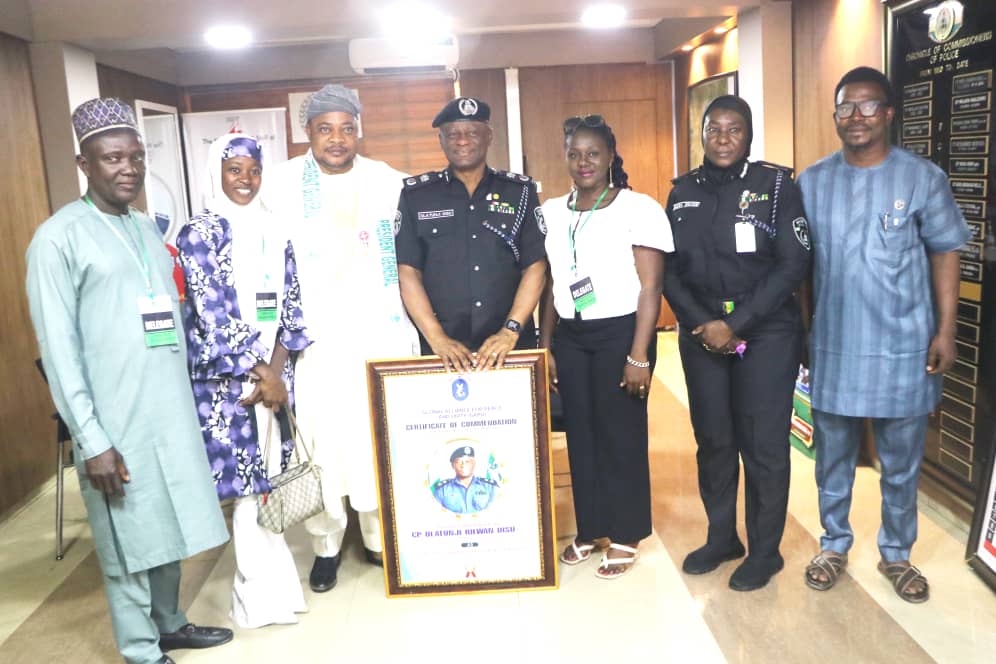
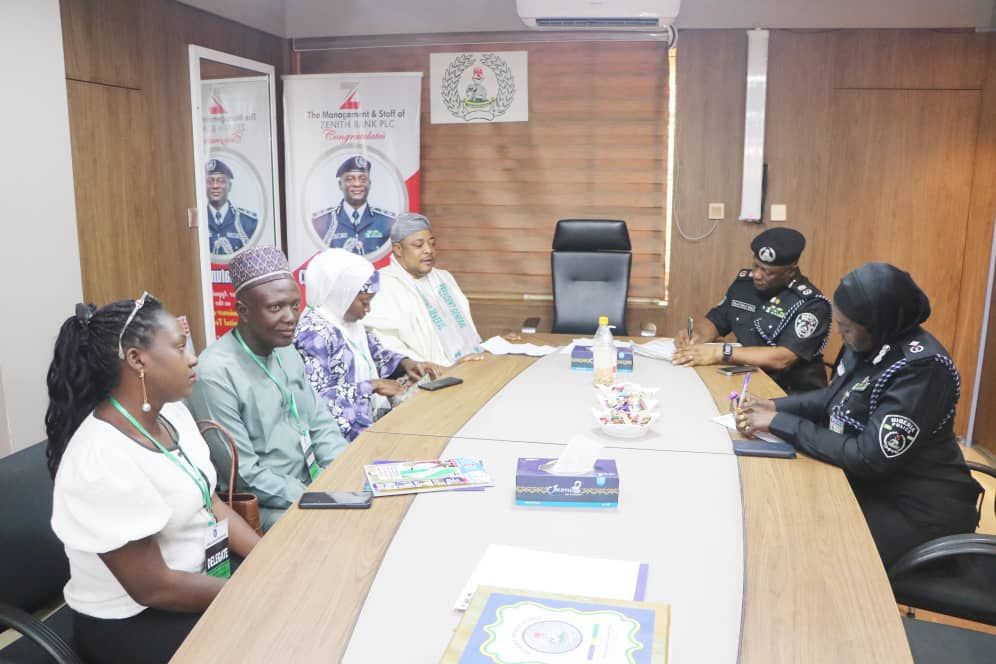
The Global Alliance for Peace and Unity (GAPU), led by its President, Solomon Pevkyaa, paid a courtesy visit to the Commissioner of Police, Federal Capital Territory (FCT) Command, Olatunji Disu, to strengthen collaboration aimed at promoting peace and stability in Nigeria.

Speaking during the visit, Pevkyaa emphasized the critical importance of peace in fostering national development and social harmony.

He warned about the dire consequences of chaos and unrest, which often hinder progress and strain societal bonds.

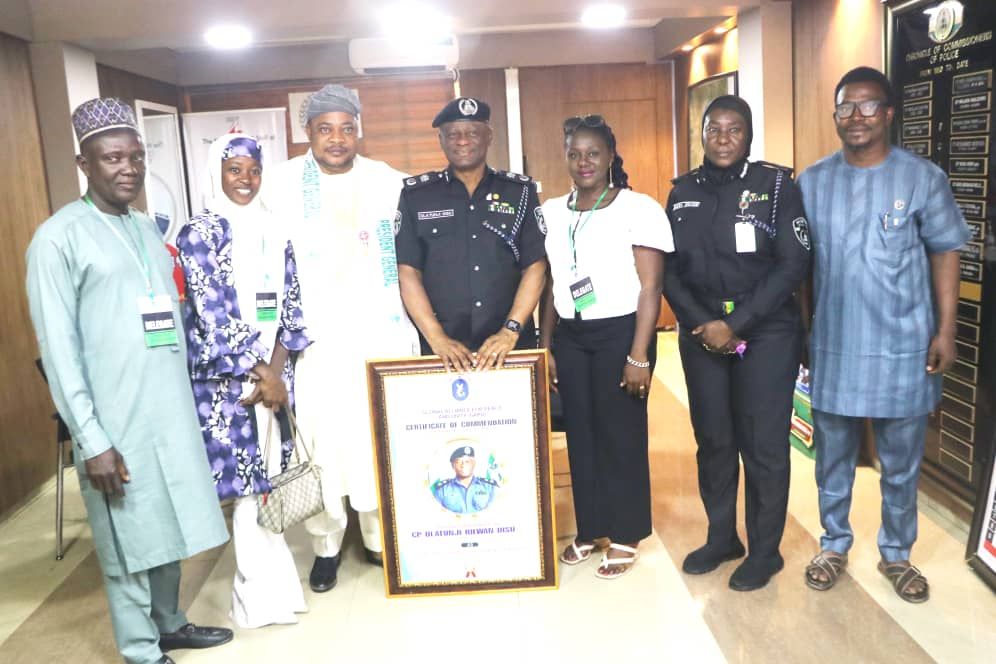
GAPU Team hosted by CP Disu and DC Hauwa

The GAPU President expressed concern over protests in the country, noting that some are orchestrated by individuals pursuing selfish interests rather than addressing genuine grievances.

Pevkyaa underscored the value of dialogue as a tool for resolving conflicts and bridging divides.

“Dialogue remains the most effective way to resolve disputes and misunderstandings,” he stated, calling on stakeholders to prioritize conversations over confrontations in their efforts to achieve lasting peace.

He also commended CP Disu for his remarkable track record of fostering security and order during his previous posting in Rivers State, a legacy he continues to build in the FCT.

In his response, CP Olatunji Disu assured GAPU of the Nigeria Police Force’s unwavering commitment to supporting initiatives that promote peace and unity.

He highlighted the importance of collaboration between the police and civil society organizations in addressing security challenges.

“This visit is a timely reminder of our duty to always do better,” Disu remarked.

He reiterated the force’s dedication to training its officers to be both effective and people-friendly in their approach to policing.

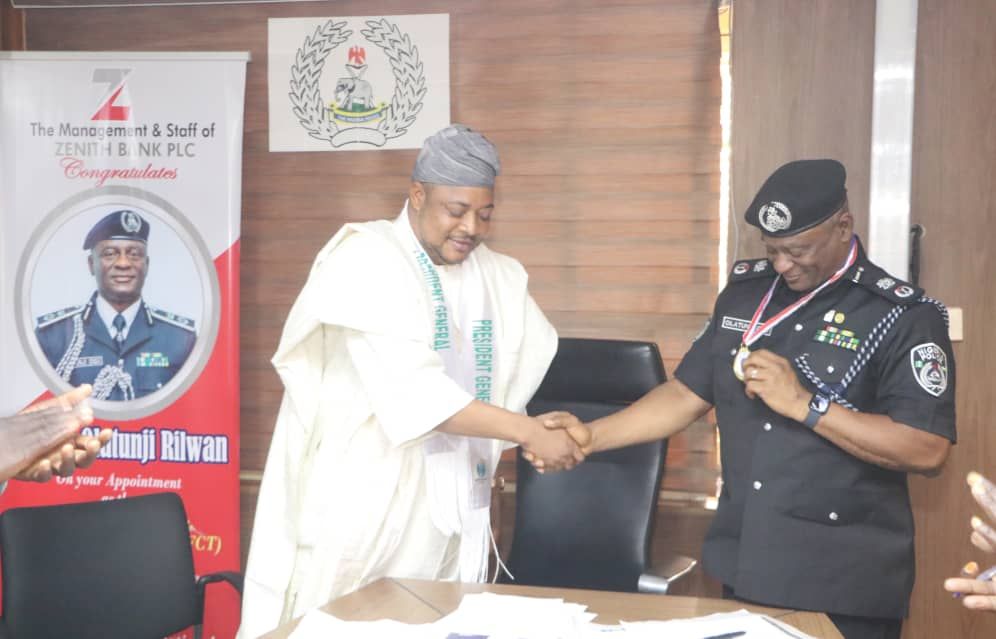
President of Global Alliance for Peace and Unity, Solomon Pevkyaa with the Commissioner of Police FCT Command, Olatunji Disu

The Commissioner also commended the support and teamwork of his officers, stating, “Every success I have achieved is because of the hard work and commitment of the men and women under my command.”

The meeting reinforced the mutual commitment of both parties to foster a peaceful society.

GAPU’s advocacy for dialogue and the FCT Police Command’s dedication to proactive policing highlight the synergy needed to address the root causes of unrest and ensure a stable and secure Nigeria.

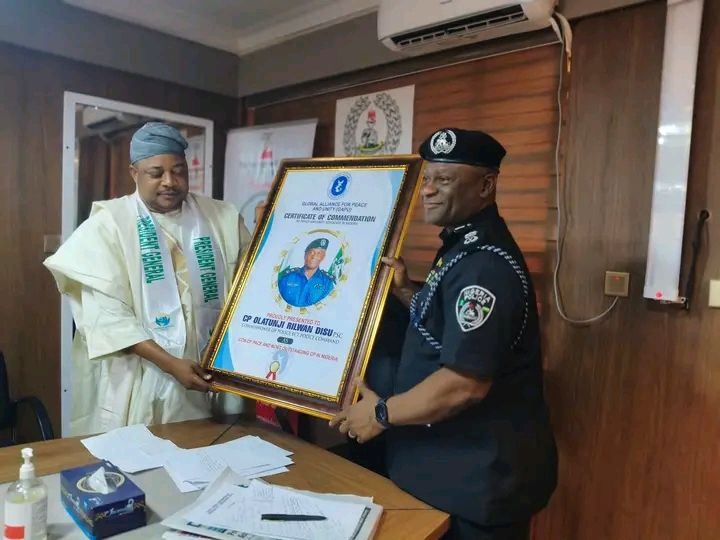
The certificate of commendation presented to CP Disu highlights GAPU’s commitment to recognizing individuals who have made remarkable contributions to peace and security in Nigeria.

CP Disu receiving his certificate of commendation as icon of Peace
L-R Emmanuel Achiki,Maryam Aminu, Solomon Pevkyaa,CP Olatunji Disu, Sintiki Usman,DC Hauwa and Levi Orhii

2025 Hajj: Mai-Hajj Demands Early Action from NAHCON to Avoid Past Pitfalls

Maryam Aminu

As preparations for the 2025 Hajj gather momentum, Mai-Hajj, a leading Civil Society Organization, has urged the National Hajj Commission of Nigeria (NAHCON) to commence planning early to address service delivery lapses that marred the 2024 pilgrimage.

In a statement issued on Tuesday and signed by its Chairman, Garba Ubale Dambatta, Mai-Hajj emphasized the need for proactive measures to prevent the recurrence of challenges, particularly in accommodation, transportation, and essential facilities for Nigerian pilgrims.

“Last-minute arrangements have consistently led to operational failures, especially in securing decent accommodations in Makkah, Madinah, and Mina,” the statement noted.

The group also lamented the inadequate toilet facilities at Muzdalifah, which left pilgrims enduring long queues after the physically demanding trek from Arafat.

Mai-Hajj listed other shortcomings from the 2024 Hajj, including flight delays for inbound pilgrims, poor accommodations at key locations, and insufficient toilets in Mina and Muzdalifah, attributing these issues to a lack of timely and detailed planning.

To ensure a successful Hajj in 2025, Mai-Hajj called on NAHCON to establish a dedicated monitoring committee.

The proposed committee, comprising experts and stakeholders, would oversee critical aspects such as aircraft procurement, accommodation standards, transportation logistics, security, and comprehensive public education through media sensitization.

“Effective planning is the cornerstone of a seamless Hajj operation,” the organization stated.

“NAHCON must act promptly to avoid the pitfalls of the past and deliver a spiritually uplifting experience for Nigerian pilgrims.”

Mai-Hajj’s timely intervention reflects its unwavering commitment to enhancing the welfare and spiritual fulfillment of Nigerian pilgrims, setting the stage for a better-organized Hajj experience in 2025.

Lagos Hosts Beauty West Africa Expo: Spotlight on Trade, Innovation, and Global Partnerships

Maryam Aminu

The bustling city of Lagos has become the epicenter of global beauty innovation as the 7th Beauty West Africa Exhibition begins.

Renowned as the largest and most prestigious beauty event in the region, this year’s edition welcomes over 300 companies from 52 countries, setting the stage for groundbreaking trade partnerships and showcasing cutting-edge industry trends.

The three-day expo showcases a dazzling array of products, from cutting-edge cosmetics and hair care innovations to herbal remedies and organic solutions.

A major highlight is the participation of 16 Pakistani companies, alongside 30 high-level delegations, signaling a renewed focus on trade, investment, and cross-border collaboration in the beauty sector.

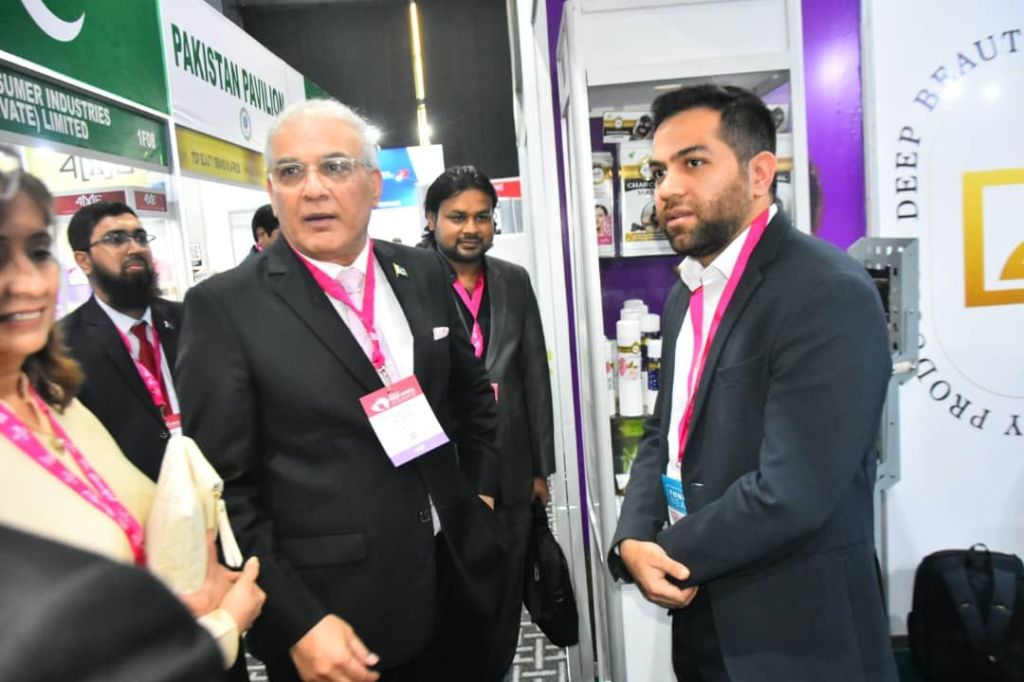
The Ambassador, Retired Maj. -Gen. Sohail Khan with a Pakistani exhibitor

Retired Maj.-Gen. Sohail Khan, Pakistan’s High Commissioner to Nigeria, is set to address the Pakistani delegation, underscoring the importance of building robust trade partnerships.

The event provides a fertile ground for signing Memorandums of Understanding (MoUs), fostering partnerships, and accelerating growth in the beauty industry.

Addressing the press, Mr. Samnoon Basraa, Pakistan’s Trade Attaché to Nigeria, highlighted the synergy between Nigeria and Pakistan’s beauty industries, noting the remarkable growth in bilateral trade.

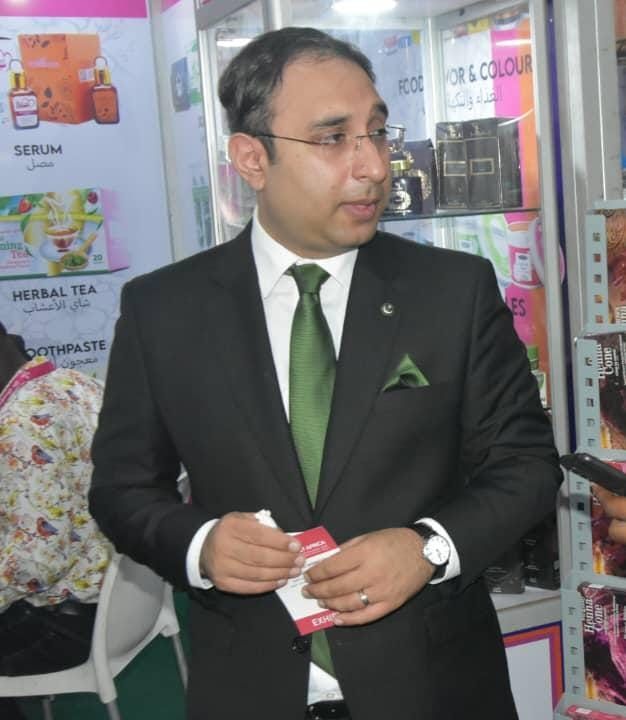
The Trade Attaché, Mr Samnoon Basraa

“Our exports to Nigeria have surged by 48% in the first four months of this fiscal year compared to the same period last year,” Basraa revealed.

“This reflects the growing demand for high-quality, affordable beauty products and reinforces our commitment to exploring deeper investment opportunities in Nigeria.”

Basraa also noted that this is the first time 16 Pakistani companies were invited by the Lagos State Government to participate in the Beauty West Africa Exhibition.

“The response has been overwhelmingly positive. Many Pakistani companies are already registered in Nigeria, with others actively working to establish a formal presence here,” he added.

The Beauty West Africa Exhibition is more than a showcase, it is a platform for global innovation, strategic partnerships, and cultural exchange. With Lagos at its epicenter, the event emphasizes the city’s role as a thriving hub for trade and commerce in West Africa.

Beyond the exhibition halls, the event fosters meaningful connections, enabling businesses to form lasting relationships that promise to reshape the regional beauty industry. Attendees can look forward to high-level discussions, exclusive product unveilings, and a dynamic networking environment.

World SDGs Organization Visits Hon. Tanko Sununu, Explores Strategic Partnership

Maryam Aminu

In a significant stride toward advancing sustainable development, the World Sustainable Development Goals Organization-Nigeria has taken steps to collaborate with the Federal Ministry of Humanitarian Affairs and Poverty Alleviation.

The delegation, led by the Country Representative, H.E. Engr. Kolawole Rasheed Adenekan, paid a courtesy visit to the Honourable Minister of State, Federal Ministry of Humanitarian Affairs and Poverty Alleviation, Hon. Tanko Yusuf Sununu, to discuss potential areas of partnership.

During the visit, H.E. Engr. Adenekan reiterated the organisation’s unwavering commitment to fostering sustainable development and poverty alleviation across Nigeria.

He highlighted WSDGsO-Nigeria’s focus on implementing initiatives that align with the United Nations’ Sustainable Development Goals (SDGs), particularly in the areas of reducing poverty, promoting education, and ensuring healthcare access for vulnerable populations.

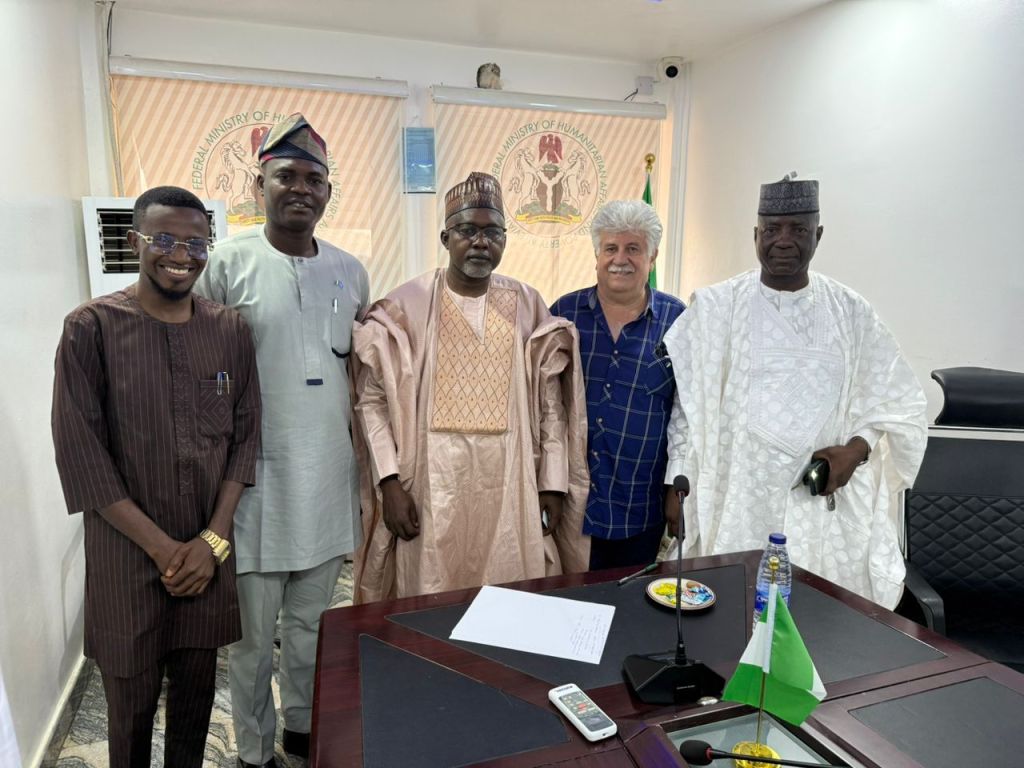
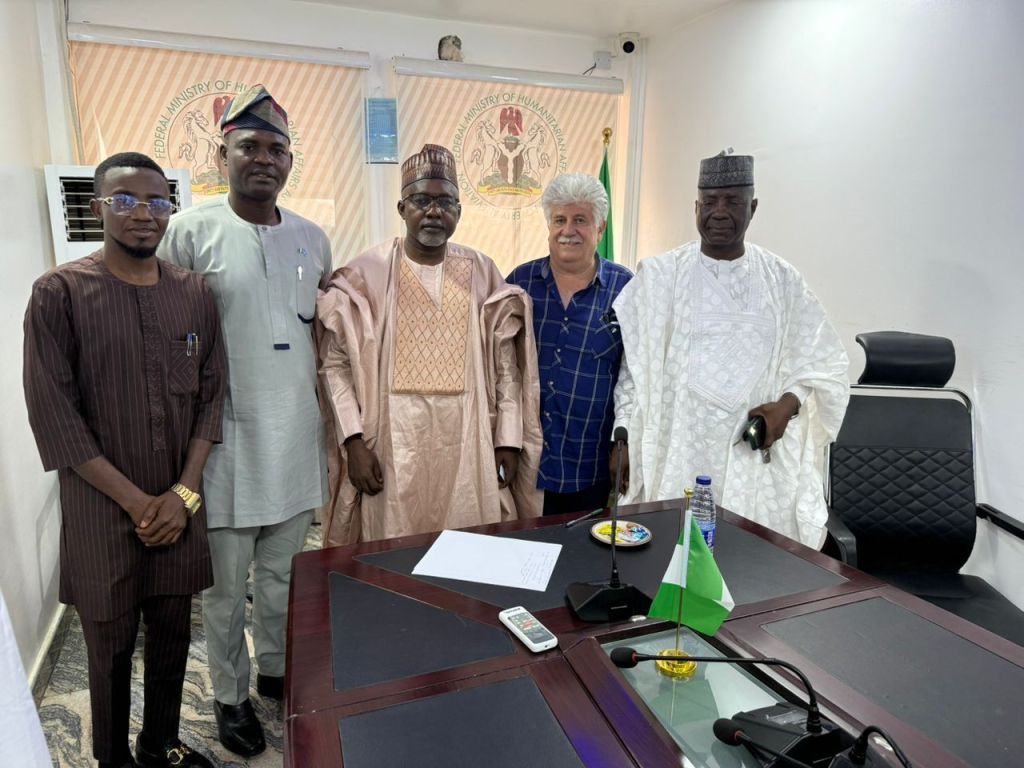
Representatives of Word Sustainable Development Goals Organization-Nigeria with the Honourable Minister of State, Federal Ministry of Humanitarian Affairs and Poverty Alleviation, Hon. Tanko Yusuf Sununu,

Responding, Hon. Tanko Yusuf Sununu expressed his appreciation for the organisation’s efforts and commitment to improving the lives of Nigerians.

He acknowledged the critical role of partnerships in achieving the SDGs and assured WSDGsO-Nigeria of the ministry’s readiness to collaborate on projects that align with its core mandate.

“The ministry is also prioritizing the SDGs as a central part of our mission to alleviate poverty and improve humanitarian outcomes for our people,” Sununu stated. “We believe that working together with organizations like WSDGsO-Nigeria can create transformative impacts on the lives of Nigerians.”

This visit marks a crucial step toward forging a partnership that aims to address pressing social and economic challenges in Nigeria. With the ministry’s emphasis on the SDGs and WSDGsO-Nigeria’s innovative approach, the collaboration has the potential to catalyze sustainable solutions for communities in need.

Such partnerships are vital for bridging gaps in governance and ensuring that development initiatives reach underserved areas. Further discussions are expected to concretize joint programs that will address poverty alleviation and enhance humanitarian services nationwide.

Minister Urges Media to Spotlight Positive Youth Development Efforts

Maryam Aminu

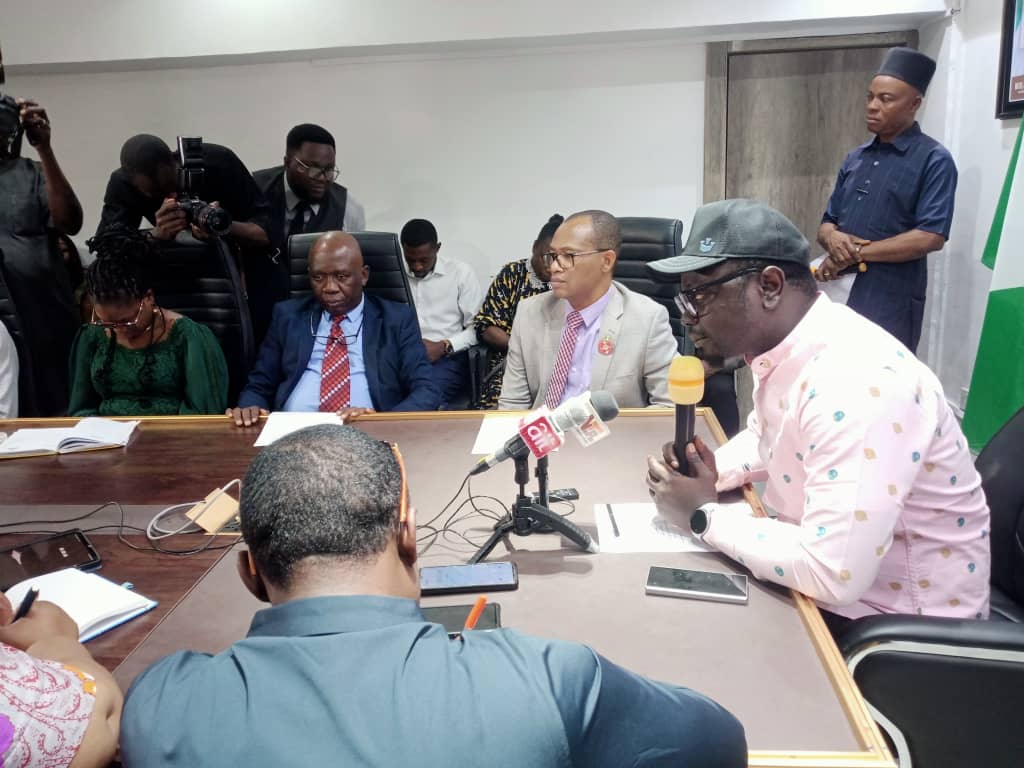
In a stirring call to action during a press conference in Abuja on Monday, the Honourable Minister of Youth Development, Comrade Ayodele Olawande, challenged the media to become champions of Nigeria’s youth renaissance.

He highlighted the administration’s groundbreaking initiatives to empower young Nigerians, urging journalists to showcase the stories that inspire hope and drive progress.

Olawande, emphasized the vital role of the youth in shaping Nigeria’s future.

He called on the media to actively showcase the ministry’s strides toward empowering young Nigerians, underscoring the unprecedented commitment of the current administration to youth-focused initiatives.

“For the first time since 1999, we have a youth minister dedicated to advocating for young people. The future of Nigeria lies with us, and the progress of this country rests squarely on the shoulders of our youth,” Olawande said.

The minister highlighted the inclusiveness of the Ministry of Youth Development, urging Nigerians to unite beyond their differences for the nation’s betterment.

“We are working as a team. Let us put our diversity aside and focus on turning challenges into opportunities,” he said.

Acknowledging the hurdles faced by young Nigerians, Olawande emphasized the need for collective action. “Enough of just talking this is the time for action. We are ready to make things happen and showcase the brilliance and productivity of our youth. Together, we can achieve a positive transformation,” he assured.

Olawande unveiled a bold initiative to transform the National Youth Service Corps (NYSC) orientation camps into skill-acquisition hubs. “We want every corps member to leave orientation camp equipped with employable skills. These camps will become centers where young Nigerians can develop the expertise they need to thrive in the workforce,” he declared.

The minister further announced plans to send a memo to President Bola Tinubu mandating government agencies and parastatals to accept corps members for their mandatory service.

This move aims to curb the rejection of corps members and provide equal opportunities for all.

“Before now, corps members faced unnecessary barriers to being posted to certain organizations. That will no longer be the case. Everyone deserves the chance to gain real-world experience and apply what they have studied,” Olawande emphasized.

The minister also highlighted the need for immediate action and practical solutions to Nigeria’s challenges.

Enough of road maps it’s time to hit the road and implement these plans. We need to focus on solutions that work, not just discussions,” he said.

He pointed to several areas where the ministry is actively driving youth development, including agriculture, sports, entertainment, and ICT.

We are building a future where young Nigerians are at the forefront of innovation, creativity, and national progress,” Olawande said.

In a heartfelt appeal, the minister urged journalists to leverage their position as the voice of the people to amplify the ministry’s efforts.

“The media has a critical role in highlighting our initiatives and ensuring that Nigerians are aware of the positive work being done for our youth. Let’s use this platform to inspire action and hope,” he said.

Olawande commended President Tinubu’s unwavering support for youth-focused policies, describing it as a step toward a more prosperous and inclusive Nigeria.

He called on all stakeholders to rally behind the administration’s agenda to ensure young Nigerians have access to opportunities for a better life.

The minister’s address reflects a renewed commitment to action, inclusivity, and results-driven policies.

With the Ministry of Youth Development rolling out transformative initiatives, the spotlight now turns to the media and stakeholders to bring these efforts to the forefront.

“The progress of Nigeria depends on the success of its youth. Together, we can create a nation where every young person has the tools, opportunities, and support to succeed,” Olawande concluded.

As the ministry takes bold steps toward empowering young Nigerians, the stage is set for a collaborative effort to transform vision into reality. The call to action is clear now is the time to build a brighter future for Nigeria.

NASS, NEPZA Push for Strategic Community Regeneration in FTZs

Emmanuel Daudu

The National Assembly (NASS) and the Nigeria Export Processing Zones Authority (NEPZA) have called on Free Trade Zone (FTZ) operators and enterprises to adopt a more impactful and measurable approach to community regeneration, ensuring sustainable development for their host communities.

This position was reaffirmed during a two-day oversight visit by the Senate Committee on Trade and Investment, led by its Chairman, Senator Sadiq Suleiman Umar, to inspect the operations of FTZs along the Lekki axis in Lagos State.

The visit, which took place on Monday, was accompanied by the Managing Director of NEPZA, Dr. Olufemi Ogunyemi.

Speaking during the visit, Senator Umar emphasized the Federal Government’s concern over the current state of corporate social responsibility (CSR) initiatives undertaken by FTZ operators.

He stressed the need for these operators to move beyond ad hoc interventions and adopt a structured, data-driven approach that guarantees measurable impact on host communities.

“We commend the contributions of the FTZ scheme to the Nigerian economy,” Senator Umar said.

“The Lekki Quadrant is undeniably an economic gateway for our nation. However, it is imperative that host communities also benefit directly from the prosperity generated in their environment. We need true data on interventions, progressive reports on the well-being of beneficiaries, and evidence of the impact these actions have had on the people.”

The senator further urged operators to take care deliberate steps to regenerate the Lekki area to prevent economic inequalities that could lead to social unrest

Echoing the senator’s sentiments, Dr. Ogunyemi underscored the importance of prioritizing community regeneration within the FTZ ecosystem.

He called on operators to embrace the Community Social Regeneration Concept, which NEPZA has been promoting in the past year to close developmental gaps and foster mutual respect between FTZ enterprises and their host communities.

“We must give credit to His Excellency, President Bola Ahmed Tinubu, whose vision has transformed this area into a hub of economic emancipation,” Dr. Ogunyemi stated.

“The regeneration of host communities is critical for sustainable development and for avoiding the pitfalls of economic disparity, often described as the ‘tale of two cities.’”

Dr. Ogunyemi also highlighted the obligation of operators to address the well-being of their host communities to mitigate potential conflicts and encroachment on FTZ activities.

The oversight visit included tours of major FTZ facilities in the Lekki axis, such as the Lekki Free Zone (LFZ), Dangote Free Zone Enterprise (home to the Dangote Refinery), Lagos Free Zone, Lekki Deep Seaport, and several other enterprises operating within the zones.

These facilities are pivotal to Nigeria’s economic growth, and the push for a comprehensive community regeneration strategy is seen as a step toward fostering inclusivity and sustainability within the FTZ ecosystem.

The collaboration between NASS and NEPZA signals a strong commitment to ensuring that the benefits of FTZ operations extend beyond economic gains to include tangible improvements in the lives of host community members.

Defence Minister Badaru Champions Military Support at Kano Trade Fair

…Urges Nigerians to rally behind the military for security-driven economic growth

Emmanuel Daudu

In a powerful call to action, the Honourable Minister of Defence, Mohammed Badaru Abubakar, has emphasized the undeniable link between peace and economic prosperity, urging Nigerians to fully support the military’s efforts in combating insecurity.

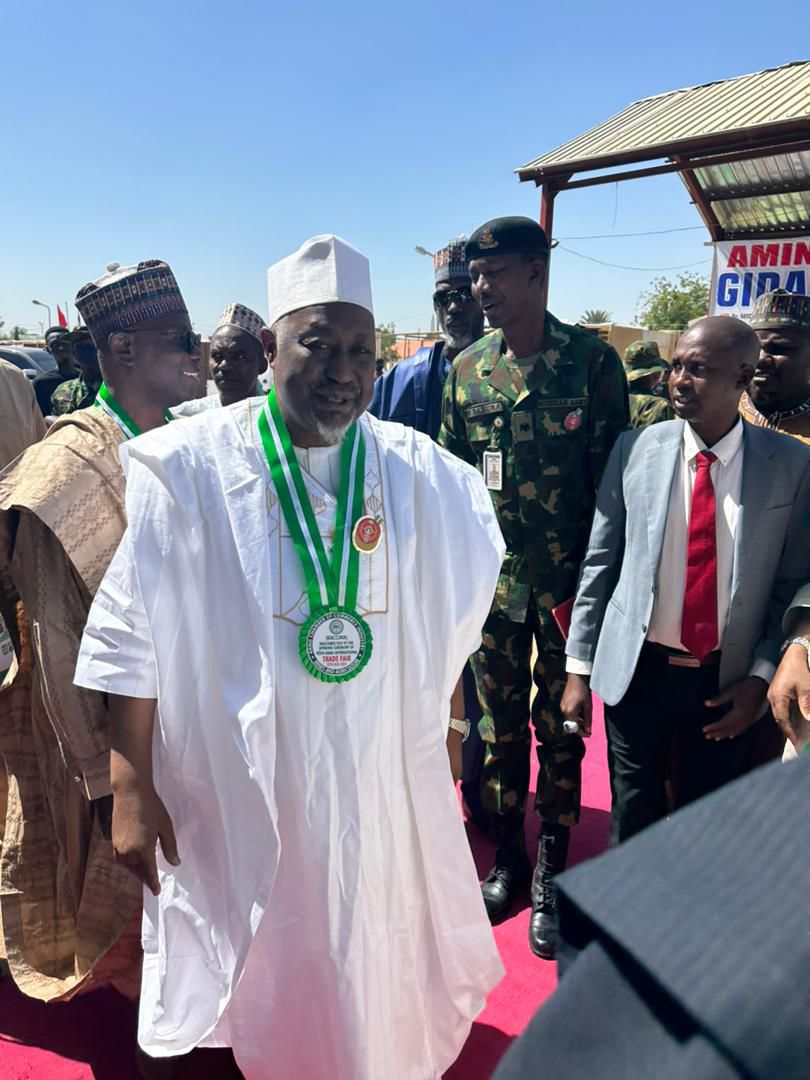
Speaking at the grand opening of the 45th International Trade Fair in Kano, the Minister declared that without peace, the nation’s development goals would remain unattainable.

The event, organized by the Kano Chamber of Commerce, Industry, Mines, and Agriculture (KACCIMA), drew a prestigious crowd of local and international business leaders, government officials, and dignitaries, including representatives from the Vice President’s office and the Kano State Government.

The trade fair has become a cornerstone for fostering economic cooperation and positioning Kano as a central hub for commerce and innovation.

Badaru, a former National President and Lifetime Vice President of the Nigerian Association of Chambers of Commerce, Industry, Mines, and Agriculture (NACCIMA), took the stage to reaffirm President Bola Ahmed Tinubu’s unwavering commitment to restoring peace and stability across the nation.

He praised the military’s relentless efforts and called on citizens to remain steadfast in their prayers and support for security forces.

An improving security situation creates the foundation for economic growth, investment, and prosperity,” the Minister stated.

He urged stakeholders to prioritize Nigeria’s non-oil export potential, emphasizing its critical role in diversifying the economy and achieving sustainable growth.

The trade fair, now in its 45th edition, showcased Nigeria’s economic resilience and its readiness to compete on a global scale. Minister Badaru applauded KACCIMA for its dedication to advancing trade and industry, noting that events like this highlight the nation’s strength in innovation and international collaboration.

“Non-oil exports are the future of Nigeria’s economy,” he stressed. “Let us work together to unlock our full economic potential and drive the prosperity we all desire.”

The Minister’s presence at the fair underscored his deep ties to the business community and his dedication to aligning economic policies with national security. His powerful message reinforced the importance of peace as the engine of progress, positioning Kano as a vital player in Nigeria’s journey toward economic transformation.