Minister of Defence Calls for Intensified Airforce Operations to Defeat Terrorism

Emmanuel Daudu

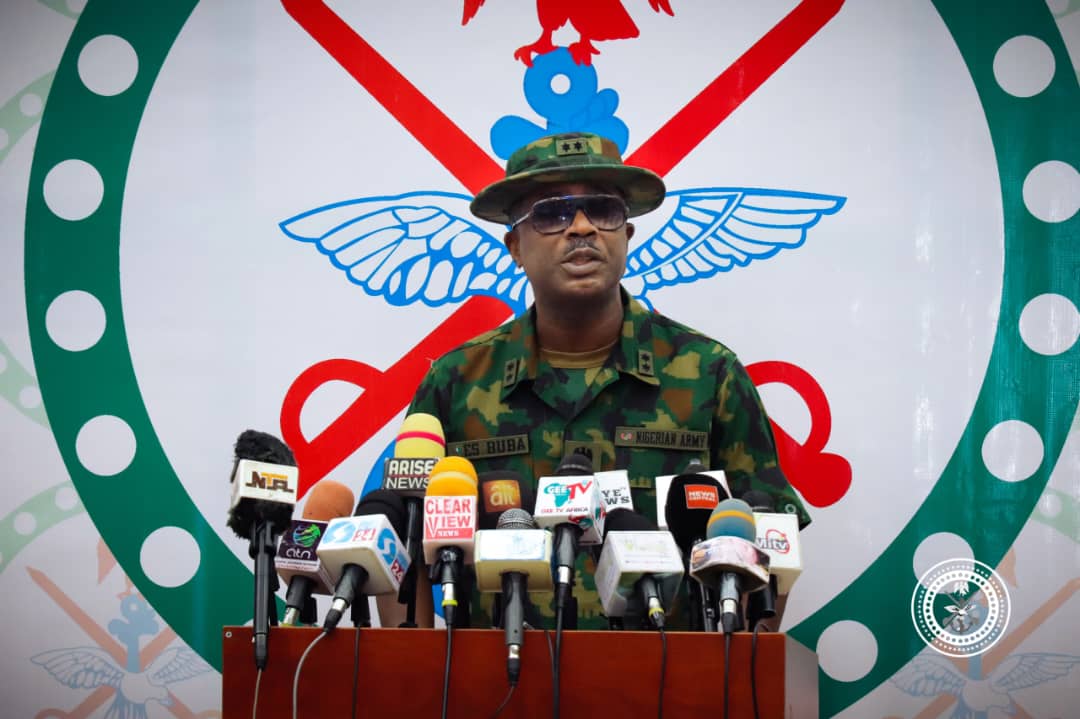
The Honourable Minister of Defence, Mohammed Badaru Abubakar, has urged the Nigerian Airforce (NAF) to ramp up the deployment of its advanced platforms in the fight against banditry and terrorism, declaring that “it’s time to end it.”

Speaking during an operational visit to the Air Component of Sector 2, Operation FANSAN YAMMA in Katsina State on Monday, November 18, 2024, the Minister lauded the courage and dedication of the air warriors.

He described them as “beacons of hope, courage, and resilience” whose efforts continue to inspire Nigerians.

Farmers Are Returning, Schools Are Reopening”
Highlighting the impact of the Airforce’s efforts, Badaru noted that their operations are creating visible positive changes. “Farmers are gradually returning to their farms, schools are reopening, businesses are picking up, and Nigerians can now sleep peacefully,” he said.

Reassuring the troops of President Bola Ahmed Tinubu’s unwavering support, Badaru emphasized the provision of cutting-edge military equipment, including state-of-the-art aircraft and unmanned aerial vehicles.

He cited the recently inducted T129 Attack Helicopters as game-changers in Nigeria’s counterterrorism operations.

“We Must Synergize for Victory”

The Minister urged the Airforce to enhance collaboration with ground forces and other stakeholders to ensure maximum impact.

You are key to this fight, and we must put our acts together to end this war. Synergize with the ground forces to fully utilize these combat enablers,” Badaru stated.

During his visit, the Minister also traveled to Sokoto to assess the combat readiness of NAF platforms and inspect the proposed site for the permanent base of the newly established Airforce component against banditry and terrorism at Sokoto Airport.

Chief of Air Staff, Air Marshal Hassan Bala Abubakar, commended the Minister’s servant leadership and strategic direction.

He expressed confidence in the T129 Attack Helicopters, which he described as transformative for NAF’s operational capabilities.
“These platforms send a strong message to those who think they can destabilize our nation,” he said.

Badaru’s visit underscores the Federal Government’s renewed commitment to ending insecurity, with a focus on strategic deployment and synergy among security forces to restore lasting peace across Nigeria.

Halilu’s Groundbreaking Year at NASENI: Charting a New Course for Nigeria’s Tech Industry

Maryam Aminu

The National Agency for Science and Engineering Infrastructure (NASENI) has long stood as a symbol of Nigeria’s technological ambitions since its establishment in 1992. However, persistent challenges such as insufficient funding and limited human resources hindered its potential.

In a statement jointly signed by Chinyere Obiora-Ekwuazi, Henry Ukwadia and Hadiza Abdul Abubakar, said the narrative began to change dramatically in September 2023 with the appointment of Khalil Suleiman Halilu as Executive Vice Chairman/CEO.

According to them, the visionary technopreneur, Halilu’s first year at the helm has revolutionized NASENI’s trajectory, transforming it into a powerhouse of innovation and a catalyst for Nigeria’s technological evolution.

Appointed by President Bola Ahmed Tinubu, Halilu’s mission was unequivocal: elevate NASENI to the forefront of Nigeria’s tech revolution. One year on, the results speak volumes.

They noted that under Halilu’s bold leadership, NASENI has transitioned from theoretical concepts to groundbreaking realities.

In just one year, the agency introduced 36 market-ready products, ranging from electric vehicles and solar-powered irrigation systems to smart prepaid meters and Android smartphones.

These innovations, developed in collaboration with Original Equipment Manufacturers (OEMs) and strategic partners, represent a decisive move toward self-reliance and reduced import dependence.

“Soon, every Nigerian household will own a NASENI product,” Halilu declared at the outset of his tenure. This vision is rapidly materializing.

They revealed that plans for a dedicated NASENI showroom, showcasing the agency’s cutting-edge innovations, are already underway, bringing these technologies closer to everyday Nigerians.

They expressed that Halilu’s tenure is defined by his transformative 3Cs philosophy:Creation, Collaboration, and Commercialization.

He has positioned NASENI as not just an agency, but as a hub of excellence driving Nigeria’s industrial and technological ambitions.

Key initiatives include the establishment of a $3.25 billion investment drive, the creation of a CNG reverse engineering center in Abuja to champion renewable energy, and the introduction of Hatch Box, a program aimed at boosting STEM education nationwide.

According to the statement, the launch of an innovation hub at NASENI’s headquarters highlights Halilu’s commitment to nurturing future tech leaders.

Beyond these milestones, Halilu has prioritized internal reforms, enhancing staff welfare, overhauling governance frameworks, and setting the agency on a clear path of sustainable growth with the 2023–2027 strategic plan.

Halilu’s vision for NASENI extends beyond immediate gains to a legacy of transformative impact. Ambitious projects such as the NASENI Renewable Industrial Park, small arms assembly, and the NASENI Innovation Hub aim to revolutionize Nigeria’s industrial landscape.

According to them, Programs like the NASENI Public Challenge and Future-Makers initiative are designed to cultivate homegrown tech talent and entrepreneurship.

With an accelerated technology transfer framework, NASENI is poised to boost Nigeria’s manufacturing capacity, create jobs, and energize the economy.

These initiatives will solidify Nigeria’s position as a global contender in technology and innovation while addressing pressing socioeconomic challenges.

As Halilu celebrates one year at NASENI, his transformative leadership has established the agency as a beacon of hope for Nigeria’s technological future. His vision of a NASENI-driven economy, fueled by innovation, collaboration, and sustainability, is becoming a tangible reality.

“NASENI is not just an agency, it is the engine powering Nigeria’s technological revolution,” Halilu stated during a recent media briefing.

His roadmap for the future is ambitious yet achievable, laying the groundwork for a self-reliant and technologically advanced Nigeria.

In Khalil Suleiman Halilu, Nigeria has found not just a leader, but a trailblazer determined to rewrite the narrative of the nation’s technological progress. The foundation for a brighter, innovation-driven future is firmly in place, and NASENI is leading the charge.

CLEEN Foundation Praises Security Personnel for Professionalism During Ondo Governorship Election

Adejoh Bilkisu

CLEEN Foundation has commended the professionalism and conduct of security personnel deployed to ensure a peaceful and credible Ondo State governorship election held on Saturday, November 16, 2024.

In a preliminary report, the Foundation applauded the performance of security agencies, including the Nigeria Police Force and the Nigerian Security and Civil Defence Corps (NSCDC), whose presence and efficiency were crucial in maintaining order during the exercise.

According to CLEEN, 36,000 police officers were deployed across the state, with 15,732 stationed at 3,933 polling units.

The NSCDC contributed an additional 6,225 personnel, while CLEEN dispatched trained citizen observers to monitor activities across the 18 local government areas of the state.

Reports indicated that security personnel were visible in most polling units, providing a sense of safety for voters. Key locations like Odigbo LGA (Ward 10, PU 40) and Akure South LGA (Ward 5, PU 29) recorded a strong security presence.

The Foundation noted that most security officers arrived early at their designated polling units, with a significant portion arriving before 8:00 a.m.

Observers confirmed that polling units were well-staffed, with many deploying at least two or more personnel to ensure efficiency.

CLEEN’s preliminary findings highlighted the adherence of security personnel to electoral guidelines. Observers noted that all officers wore name tags, ensuring accountability. Additionally, 96% of observers described the officers as approachable and professional.

“The majority of security personnel demonstrated commendable behavior and were accessible to voters, fostering a safe and conducive voting environment,” the Foundation stated.

Despite the positive feedback, CLEEN flagged some challenges during the process. In Akure North LGA (Ward 4, PU 1), malfunctioning BVAS machines delayed the identification of voters.
Reports of vote-buying also surfaced in areas such as Okitipupa (Ward 2, PU 16), with alleged payments ranging from ₦5,000 to ₦10,000 per vote.

While praising the efforts of security personnel, CLEEN Foundation urged them to remain professional as the election progresses into the crucial stages of poll closure and result collation.

Acting Executive Director of CLEEN Foundation, Peter Maduoma, encouraged vigilance among all stakeholders to safeguard the credibility of the process.

“We are optimistic about the remainder of the election and emphasize the need for integrity in securing the democratic process,” Maduoma said.

The Foundation’s Election Security Support Centre continues to analyze field reports and escalate incidents to relevant authorities for swift action.

CLEEN reiterated its commitment to delivering comprehensive updates on the election’s security landscape.

Nigeria and Germany to Deepen Defence Cooperation through New GTAG Projects

Emmanuel Daudu

In a significant move to bolster international defence ties, Nigeria and Germany are set to strengthen their collaboration through a new cycle of projects initiated by the German Technical Advisory Group (GTAG).

This was disclosed by Dr. Ibrahim Abubakar Kana, the Permanent Secretary of the Ministry of Defence, during a high-level meeting with GTAG representatives in Abuja on Friday.

The meeting, held at Ship House, was led by Dr. Kana and Mr. Marcus Ohm, head of the German delegation.

Speaking on the development, Dr. Kana expressed optimism about the renewed partnership. “I am happy with the acceptance of the new project circle, and I promise we are going to sustain it,” he affirmed.

Dr. Kana also shed light on Nigeria’s proactive measures since GTAG’s last visit, noting the establishment of a comprehensive framework to guide defence projects.

The Defence Headquarters, he added, has been tasked with identifying initiatives that align with this framework to ensure effective coordination, planning, and execution.

Central to the discussions was the modernization of the Nigerian Armed Forces.

Dr. Kana emphasized key priorities, including enhanced security intelligence sharing, equipment upgrades, capacity building, and active involvement of Nigerian personnel in project planning and implementation to ensure sustainability.

Echoing this sentiment, Mr. Ohm expressed satisfaction with Nigeria’s progress, stating, “The project is going in the right direction.”

He pledged Germany’s unwavering commitment to delivering impactful and sustainable defence initiatives in Nigeria.

The meeting underscored the mutual benefits of the Nigeria-Germany defence partnership, with both sides reiterating their dedication to transparency, collaboration, and achieving strategic security goals.

This renewed cooperation comes at a critical time when nations are increasingly prioritizing international partnerships to address emerging global security challenges.

No Synergy, No Victory Air Commodore Balogun Calls for Unity in Nigeria’s Security Architecture

Maryam Aminu

In a riveting discourse, Air Commodore Abayomi Balogun, a seasoned military aviator, spotlighted the cracks in Nigeria’s security framework, attributing the protracted fight against terrorism to the absence of synergy among the nation’s armed forces.

Speaking at the launch of his latest book, Amidst the Chaos and Other Certainties: Nigeria Can Overcome, Balogun underscored the urgent need for a united front and proactive strategies to address Nigeria’s growing security challenges.

The event, themed “Beyond the Current Challenges: Nigeria Can Forge a New Path to Peace, Progress, and Stability”, was held at the Nigerian Military War College, Asokoro, Abuja. It drew a distinguished audience of military veterans, policymakers, and strategists, all keen to discuss Nigeria’s pressing security issues.

Balogun, a former Alpha Jet pilot, lamented the consequences of a fragmented military command structure.

“For over 10 years, the military has not operated under one command structure, which should be coordinated by the Defence Headquarters (DHQ),” he noted.

He stressed that this disunity has significantly hindered efforts to combat terrorism and criminal activities effectively.

In his remarks, Balogun also called on the government to prioritize the provision of basic amenities in rural communities, often hotspots for insecurity.

He advocated for a blend of kinetic and diplomatic strategies in addressing terrorism, emphasizing that the fight against insecurity is a collective responsibility.

“The fight against terrorism is an all-inclusive affair,” Balogun said, urging Nigerians to view the battle as a shared responsibility.

Major General Alwali J. Kazir (rtd.), former Chief of Army Staff and Madakin Bade, echoed Balogun’s sentiments.

He highlighted the distinction between “cooperation” and “collaboration,” explaining that collaboration fosters deeper, more effective partnerships essential for tackling Nigeria’s security challenges.

Kazir urged the government to reintegrate retired military officers into advisory roles, leveraging their expertise to strengthen the country’s security framework.

The book reviewer, Air Commodore S.A. Zakari, described Amidst the Chaos and Other Certainties as essential reading for security professionals and policymakers.

Providing an overview of the book’s 12 chapters, Zakari noted that it delves into critical areas, including governance, poverty alleviation, civic responsibilities, and the integration of military veterans into nation-building efforts.

He commended the book for offering strategic solutions, particularly grassroots involvement and counter-terrorism interventions, and hailed it as a manual for crafting a unified and effective security strategy.

The event was graced by dignitaries, including retired senior military officers, politicians, and academics. Notable attendees included Lt. General L.O. Adeosun (rtd.), Air Vice Marshals Ade Adekunle and A.A. Jekenme (rtd.), and Hon. Adeniyi Ojuawo, who represented the book launcher, Dr. Kayode Fayemi.

In a reflective foreword, Major General A.M. Jibril, National Chairman of the Nigerian Legion, lauded the book as a testament to Balogun’s dedication to Nigeria’s progress.

Balogun’s passionate plea for unity and his strategic blueprint for addressing insecurity resonated deeply with attendees. The event served as a clarion call for collective action, reminding all present that Nigeria’s challenges, while daunting, are surmountable through innovation, synergy, and the shared resolve of its citizens.

As the nation grapples with insecurity, Balogun’s words and his groundbreaking book provide hope and a clear roadmap for a brighter future one where Nigeria not only survives the chaos but emerges stronger, more united, and stable.

CISLAC Demands Justice as Police Officers Allegedly Defy Court Orders in Yobe State

Bilkisu Adejoh

In a bold move to uphold judicial authority, the Civil Society Legislative Advocacy Centre (CISLAC) has formally petitioned the Police Service Commission, accusing top police officials in Yobe State of serious misconduct and blatant contempt of court.

CISLAC’s Executive Director, Comrade Auwal Musa Rafsanjani, is calling for swift action against the Area Commandant of Potiskum Division and the Yobe State Commissioner of Police, highlighting an alleged disregard for legal procedures that threatens the foundations of Nigeria’s judicial system.

On October 29, 2024, officers from the Potiskum Area Command reportedly stormed the Chief Magistrate Court in Potiskum, halting legal proceedings and intimidating court officials, lawyers, and the public.

According to CISLAC, the officers forcibly removed two convicted individuals, Abdulahi Aji Bulama and Mr. Kabir (A.T.O.), directly defying a lawful detention order. The action, described as “a blatant disregard for judicial authority,” sparked outrage among human rights advocates and raised concerns over Nigeria’s commitment to upholding democratic principles and the rule of law.

The petition highlights that this incident is part of a troubling pattern of non-compliance by the Potiskum Area Command, which, CISLAC claims, has repeatedly disregarded court summons and arrest warrants.

Despite multiple court orders and hearings, CISLAC alleges, police in Potiskum have flouted judicial directives and ignored the rule of law, undermining public trust and tarnishing the credibility of the Nigerian police force.

This kind of interference in the judicial process undermines not only the integrity of the justice system but also public trust in the police,” said Rafsanjani, noting that the officers’ conduct breached the Nigerian Police Code of Conduct and ignored both national and international legal standards.

CISLAC’s petition demands a transparent investigation, disciplinary action against the implicated officers, and a mandate for enhanced training on legal and ethical compliance to prevent future incidents.

In urging the Police Service Commission to act, CISLAC aims to send a clear message that no one is above the law, advocating for reforms that will uphold judicial independence and strengthen Nigeria’s democracy.

CISLAC Sounds Alarm Over Transparency in Ajaokuta Steel Complex

Bilkisu Adejoh

In a bold call for transparency, the Civil Society Legislative Advocacy Centre (CISLAC) is urging the Ministry of Steel Development and the Bureau of Public Procurement (BPP) to uphold strict transparency and legal adherence in appointing a Transaction Adviser to revitalize the Ajaokuta Steel Complex Limited (ASCL) and the National Iron Ore Mining Company (NIOMCO) in Itakpe.

This demand, CISLAC insists, is essential for ensuring a rigorous and equitable procurement process that respects public trust.

Through two meticulously detailed letters signed by CISLAC Executive Director Auwal Musa Rafsanjani, the organization raised serious concerns regarding irregularities in the procurement process, which it argues may breach the Public Procurement Act of 2007.

CISLAC, the Nigerian chapter of Transparency International, is especially concerned about the absence of clear, legally mandated evaluation criteria, an issue that threatens the selection’s integrity.

According to CISLAC, key areas of the Request for Proposal (RFP) lack crucial details, such as the assigned weights for quality and cost factors, violating Section 51(1) of the Procurement Act.

Rafsanjani emphasized that without disclosing technical scores prior to opening financial proposals, the selection process undermines fairness and contravenes Section 51(4) of the Act.

CISLAC also noted the absence of explicit evaluation criteria, cautioning that this omission risks arbitrary scoring and could create room for bias.

Moreover, CISLAC expressed alarm over the exclusion of the Infrastructure Concession Regulatory Commission (ICRC) from this process, a move that, in CISLAC’s view, infringes on the ICRC Act, 2005, and statutory mandates for public-private partnerships.

This exclusion, the organization warned, raises both legal and transparency concerns, especially for a project carrying such high stakes.

CISLAC further underscored the role of Civil Society Organizations (CSOs) in observing procurement processes to safeguard public interest.

Rafsanjani highlighted that Section 57 of the Act mandates transparent disclosure of conflicts of interest, a key safeguard for impartiality in such critical decisions. Additionally, the letter pointed to possible breaches of the Fiscal Responsibility Act, ministerial oversight duties, and ethics standards, which are crucial in maintaining the fairness of this process.

With federal investment in ASCL and NIOMCO exceeding $7 billion over four decades without substantial outcomes, CISLAC insists that Nigeria must avoid repeating past mistakes.

Federal Government Partners with EU to Launch Major Youth Empowerment Initiatives

Maryam Aminu

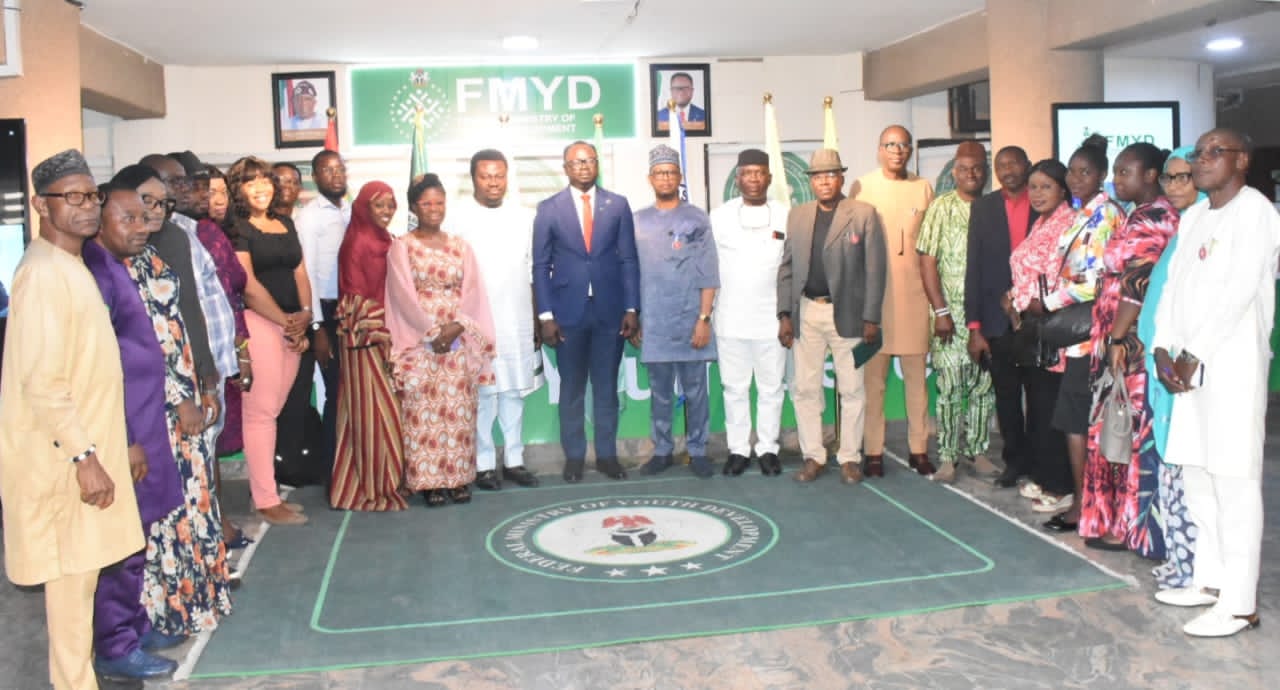
In a landmark move to empower Nigerian youth and foster self-reliance, the Federal Government has announced a strategic partnership with the European Union (EU) focused on advancing youth programmes that bridge the gap between young Nigerians and the government.

The initiative was revealed by the Honourable Minister of Youth Development, Comrade Ayodele Olawande, during his recent visit to the EU delegation to Nigeria and ECOWAS in Abuja.

Comrade Olawande emphasized the Federal Government’s commitment to youth empowerment through this collaboration with the EU, spotlighting the establishment of the Youth Connect Hub as a major step forward.

The hub, designed to equip young Nigerians with essential resources, mentorship, and training, aims to nurture innovation, foster entrepreneurship, and drive economic transformation nationwide.

The Youth Connect Hub will empower youth to innovate and create sustainable businesses, ultimately driving economic growth and transformation in the nation,” Olawande stated, underscoring the initiative’s potential to reshape the future of Nigeria’s young population.

L-R: Ambassador-Designate of the EU and ECOWAS, Mr. Gautier Mignot and the Honourable Minister, Federal Ministry of Youth Development, Comrade Ayodele Olawande, during the visit to the EU Embassy in Abuja, recently.

The Minister also praised the EU’s contribution to the ongoing review of Nigeria’s National Youth Policy, emphasizing its vital role in refining policies that shape the nation’s youth landscape.

He appealed for continued EU support for various Ministry-led initiatives, including the Nigerian Youth Academy (NiYA), a skills-building platform, and the Youth Helpdesk, which serves as a resource center for youth-oriented support. These initiatives are part of President Bola Ahmed Tinubu’s vision to uplift and engage Nigerian youth.

Beyond economic empowerment, Olawande stressed the importance of young people participating actively in governance and leadership, advocating that their voices in decision-making processes are essential for crafting policies that align with their aspirations.

The EU’s Ambassador-Designate to Nigeria and ECOWAS, Mr. Gautier Mignot, reaffirmed the EU’s dedication to supporting the Ministry’s initiatives.

He assured that the EU would provide assistance to ensure these youth programs align with Nigeria’s development priorities.

This collaboration between the Federal Government and the EU promises to bring new opportunities to Nigeria’s youth, positioning them as central drivers of economic and social progress in the years to come.

CLEEN Foundation’s Bold Call for Peaceful, Transparent Election in Ondo State’s 2024 Governorship Poll

Bilkisu Adejoh

As Ondo State braces for its highly anticipated 2024 governorship election set for Saturday, November 16, the CLEEN Foundation has issued a pre-election statement urging security, transparency, and peace across all electoral processes.

This was contained in a statement today by the Acting Executive Director
CLEEN Foundation, Peter Maduoma.

Maduoma said the election marks a pivotal moment for the people of Ondo, and CLEEN Foundation’s presence and initiatives promise a thorough oversight on the conduct of security personnel and election integrity, setting the stage for a model election in Nigeria.

He said security remains a top priority ahead of the polls, as Nigeria’s lead election security agency, the Nigeria Police Force, has deployed an extensive force of 36,000 personnel to Ondo State.

This formidable team, pulled from various police commands nationwide, is joined by officers from the Nigeria Security and Civil Defence Corps (NSCDC), Nigeria Customs Service, Nigeria Immigration Service, and other agencies.

In an early observation, CLEEN Foundation noted a “tense but calm atmosphere” in Akure, the state capital, marked by heightened security and last-minute campaigns from political figures.

He noted that the CLEEN Foundation’s Election Security Support Centre (ESSC) will operate under the Civil Society Organisation (CSO) Situation Room, providing real-time monitoring, verification, analysis, and reporting on security personnel deployed for the election.

The organization will work with trained election observers who are stationed across all 18 Local Government Areas (LGAs) of Ondo State to assess the actions of security personnel, aiming to ensure accountability throughout election day.

CLEEN Foundation has proactively released its Election Security Threat Assessment (ESTA) for Ondo State, identifying potential electoral risk factors.

Through collaboration with key security agencies and stakeholders, the Foundation has taken preventive steps to mitigate these risks, fostering a safe environment for the governorship race.

The ESSC’s hotline will be open to the public, encouraging citizens to report any incidents that could affect election integrity and peace.

Ahead of the election, CLEEN Foundation issued a call to action, urging all stakeholders including political parties, security agencies, INEC officials, media, election observers, and Ondo citizens to uphold democratic values and ensure a transparent and peaceful election.

CLEEN Foundation commended security agencies for their past efforts to maintain order and urges them to continue their vigilance in safeguarding voters, observers, media, and INEC officials from threats, intimidation, or violence.

CLEEN advocates for a zero-tolerance stance on electoral violence and calls for a peaceful atmosphere where citizens can vote free from fear or coercion.

Citing a noticeable voter disenchantment and potential apathy, CLEEN encourages eligible voters to participate actively in the election, emphasizing the importance of informed voting in shaping the state’s future.

CLEEN further expressed appreciation for INEC’s commitment to a credible election and urges the commission to ensure efficient logistics, particularly in the state’s riverine areas.

CLEEN’s appeal also stresses the need for INEC to provide swift responses to any electoral irregularities, ensuring the safety of election officials and materials.

With political tensions high, CLEEN calls on political leaders and their supporters to respect the democratic process, regardless of the outcome.

CLEEN also highlights the essential role of the media in providing accurate, unbiased information to avoid stoking division or unrest.

CLEEN Foundation reminds the people of Ondo State that this election is an opportunity to move beyond ethnic, religious, and political divides, strengthening democratic values and unity.

CLEEN remains committed to its role in monitoring and supporting a fair and transparent electoral process, aiming to set a precedent for elections in Nigeria.

As the clock ticks towards election day, all eyes are on Ondo State, with CLEEN Foundation positioned as a crucial advocate for peace and accountability in this defining political moment.

INEC Faces Public Backlash Over Alleged Electoral Irregularities and Corruption

Emmanuel Daudu

In an explosive disclosure, the Independent National Electoral Commission (INEC) has come under intense scrutiny following its chairman’s admission of “criminal mishandling” in the recent Edo governorship election.

The revelation has cast serious doubts on the credibility and operational integrity of Nigeria’s foremost electoral body, as INEC faces mounting criticism for repeated flaws in election oversight and execution.

This was contained in a statement signed and made available to journalists in Abuja by the President, Northern Initiative for Democracy and Justice, Amb. Nurudeen Musa Sadique.

According to the statement, INEC Chairman said the Edo election was marred by a series of fundamental mistakes and procedural lapses. Among these was an alarming inconsistency between manually collated results and figures uploaded to the INEC Results Viewing Portal (IREV).

This divergence in results, especially for such a significant election, has raised questions about the reliability of INEC’s operations, with INEC Chairman Prof. Mahmood Yakubu reportedly expressing disappointment over the handling of the election despite substantial financial investments to ensure transparency and accuracy.

Adding to the controversy, the Kogi State governorship election held on November 11, 2023, witnessed further complications.

Critics argue that INEC’s performance continues to decline, despite technological advancements and legislative measures aimed at curbing electoral fraud.

Among the promised solutions was the use of the Bimodal Voter Accreditation System (BVAS), designed to eliminate over-voting and other malpractices. However, the failure to implement BVAS consistently, as observed in Kogi Central, has fueled widespread disillusionment with the electoral body.

Ambassador Nurudeen Musa Sadique, President of the Northern Initiative for Democracy and Justice (NIDJ), voiced his organization’s deep frustration with INEC’s recent performance.

Sadique noted that despite BVAS’s potential to ensure accurate results, trained INEC staff in Kogi Central allegedly disregarded its use, undermining public confidence in the fairness of the process.

When cases involving alleged electoral fraud reached the judiciary, they were often dismissed on technicalities, disregarding strong evidence of BVAS bypassing, according to Sadique.

“Corruption has unfortunately become pervasive within our electoral and judicial systems, further eroding trust in the democratic process,” Sadique remarked.

He emphasized that this deterioration in credibility is apparent not only in INEC’s handling of elections but also in the judiciary’s perceived leniency when examining evidence of electoral malpractice.

A particularly contentious point was the discrepancy in voter turnout between different regions of Kogi State, with some local government areas showing unusually high results compared to others.

Critics argue that such inconsistencies suggest electoral manipulation, casting doubt on the validity of the results.

Sadique also addressed the reputational damage these irregularities have inflicted on Prof. Yakubu, a former academician. “Professor Yakubu’s leadership of INEC has regrettably tarnished the integrity of Nigerian academics. We expected better from him, and his performance has been a major disappointment,” Sadique asserted.

With the Ondo State governorship election approaching, questions abound over INEC’s preparedness.

Sadique warned that only a comprehensive overhaul could restore public faith in the institution.

“The Northern Initiative for Democracy and Justice will continue to demand transparency, accountability, and improvements from INEC,” he said.

“Nigerians are watching, and we expect real progress in future elections.”

This statement from NIDJ echoes the sentiments of many Nigerians, who are calling for an electoral body that upholds democracy without fear or favor, ensuring fair representation for all citizens.