World Sustainable Development Goals Organization, an international organization that operates within the UN member nations with its scope of duty covering the entire 17 SDGs, has appointed Alh. Shuaibu Umar Faruk, as its Director, Zero Hunger Agency, to head its West Africa Region.
His appointment, which took effect on the 24th February 2025, is focused on strengthening the speedy implementation of the SDGs across the globe even as touching lives, Transforming Societies, Healing Souls, Uniting Nations and changing the world are the five core pillars of the organization
According to the letter of appointment, Alh. Umar Shuaibu Faruk is saddled with the responsibilities of superioring the initiation and execution of all projects that have to do with curbing or averting hunger in its totality across nations in West Africa. It was also further stated that he would ensure that he enhances strategic partnerships and collaborations across all stakeholders, including governments at all levels, CSOs, NGOs, UN agencies, other INGOs, and Captains of industries and companies through their corporate social responsibilities.
The letter also noted that an era marked by crucial global challenges such as climate change, poverty, and inequality, the role of the local and international leadership in sustainable development organizations has never been more critical. Alh. Shuaibu Umar, as Director, Zero Hunger Agency- West Africa, World Sustainable Development Goals Organization is tasked with embodying and promoting the values enshrined within the United Nations
He is not only expected to align African policy with the SDGs but inspire other regions to follow suit. His leadership is expected to impact both local communities and global efforts significantly.
One of his primary expectations, amongst many others, is to ensure that West Africa Regional policy aligns with the SDGs.
His presence at the regional forum provides an excellent opportunity to share West Africa progress and innovation, which could galvanize other regions to enhance their commitment to sustainable practice.
Umar is also expected to help enlist a broader range of stakeholders in SDGs, bridging gabs between developing regions and ensuring that all voices are heard.
Umar, reacting to his appointment on the 4th of March, 2025 at the organizational office in Abuja- Nigeria, assured that his leadership would focus on making West Africa a better and more inclusive society aligning with the WSDGs organization’s broader vision of sustainable impact through Hunger eradication.
In a renewed push to combat poverty and humanitarian challenges in Nigeria, the Honourable Minister of State for Humanitarian Affairs and Poverty Reduction, Dr. Yusuf Tanko Sununu, Danmadamin Yauri, has called for a holistic and collaborative approach to addressing the issue.
He emphasized that the government alone cannot eliminate poverty and urged strong partnerships between the Ministry and relevant stakeholders.
Dr. Sununu made this call while receiving a delegation from the Niger Delta Peoples Salvation Front (NDPSF) in his office in Abuja.
He revealed that the Ministry is working towards establishing a National Council on Humanitarian Affairs and Poverty Reduction, a strategic forum where stakeholders can engage in meaningful dialogue and chart a course for sustainable solutions.
Additionally, he announced plans for a National Humanitarian Response Plan to provide a structured framework for addressing humanitarian crises across the country.
Commending NDPSF’s founder, Alhaji Mujahid Dokubo-Asari, for supporting President Bola Ahmed Tinubu’s administration in tackling youth restiveness in the Niger Delta, Dr. Sununu acknowledged the organization’s efforts in advocating for the region’s marginalized communities.
Speaking on behalf of the NDPSF, National Chairman Alabo Engr. Obomate Harry reiterated the group’s commitment to partnering with the Ministry in job creation, skill acquisition, and poverty alleviation initiatives.
He urged the Ministry to increase its presence in the Niger Delta through citizen engagement mechanisms and empowerment workshops, which would enhance the credibility and impact of government programs.
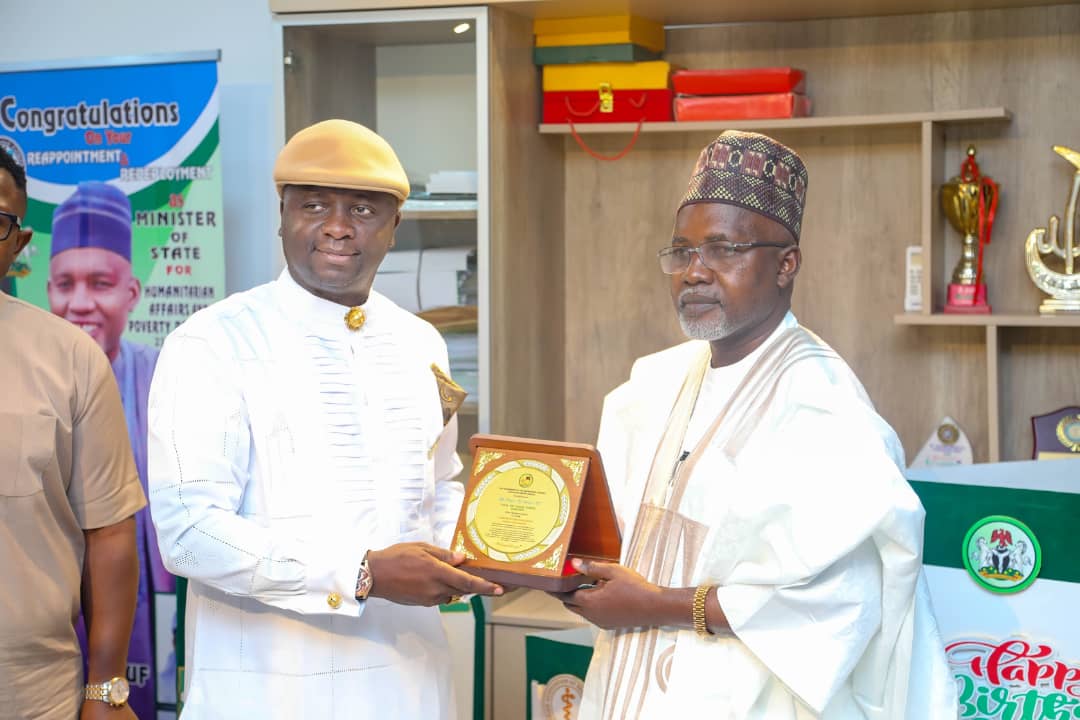
As a gesture of appreciation for his dedication to humanitarian efforts and national development, the delegation presented Dr. Sununu with a plaque, recognizing his contributions to improving lives across the country.
In a bold step toward revolutionizing Nigeria’s aviation sector, Dr. Mustapha Sheikh Abdullahi, Registrar of the African Aviation and Aerospace University (AAAU), Abuja, joined top industry leaders at a high-profile stakeholders’ meeting in Lagos. The event, convened by the Honourable Minister of Aviation and Aerospace Development, Barr. Festus Keyamo, took place on February 28, 2025, at the prestigious Radisson Blu Hotel, Ikeja.
With the theme “Transforming the Aviation Industry Through Strategic Partnerships: Advancing Airport Concessions for Sustainable Development,” the gathering served as a critical platform for deliberations on policies and innovations essential for the sector’s growth. Discussions centered on fostering long-term sustainability, boosting Nigeria’s global competitiveness, and leveraging strategic collaborations to enhance airport infrastructure.
Experts at the event highlighted the importance of continuous investment in aviation education, stating that training the next generation of industry professionals is key to achieving a globally competitive and resilient sector.
They stressed the need for efficient airport concession models that balance profitability with improved service delivery, ensuring a world-class travel experience for passengers while maintaining Nigeria’s aviation infrastructure at global standards.
…Bauchi Governor Applauds President Tinubu’s Commitment to Agriculture
Maryam Aminu
In a bold move to revolutionize Nigeria’s agricultural sector, the Federal Government has officially launched the Irrigate Nigeria Project, an initiative designed to enhance food production and increase farmers’ incomes.
The groundbreaking event took place over the weekend in Gamawa Local Government Area, Bauchi State, marking the beginning of a nationwide rollout.
The National Agency for Science and Engineering Infrastructure (NASENI), in partnership with the Renewed Hope Infrastructure Development Fund (RHIDF) and private sector stakeholders, is spearheading this initiative under President Bola Tinubu’s Renewed Hope Agenda.
According to NASENI’s Executive Vice Chairman/CEO, Khalil Suleiman Halilu, the project is set to empower farmers with sustainable irrigation systems, enabling year-round farming and reducing reliance on seasonal rainfall. This approach will lead to higher crop yields, lower food prices, and improved economic conditions for farmers.
“This initiative rests on four pillars for sustainability: the deployment of centralized NASENI irrigation systems, provision of enhanced seeds and fertilizers, a specialized commercial model to ensure long-term viability, and a repayment system where farmers contribute portions of their harvests to a strategic food reserve,” Halilu explained.
The pilot phase, launched on a 10-hectare farmland in Gamawa, showcases a Public-Private Partnership (PPP) approach. Farmers will receive irrigation equipment, technical support, and improved farm inputs while contributing to a national food reserve aimed at stabilizing commodity prices and promoting exports.
Bauchi State Governor Bala Abdulkadir Mohammed, in his remarks, hailed President Tinubu’s vision, stating that the initiative aligns with Bauchi’s strategy to expand irrigation farming and reduce dependence on rain-fed agriculture.
“This is not just about farming; it is about food security, economic empowerment, and national stability. The Irrigate Nigeria Project is a model for agricultural excellence, capable of transforming Nigeria’s agricultural value chain by introducing advanced technologies, boosting production, and ensuring inclusive economic benefits,” Governor Mohammed said.
Dr. Mohammed Dahiru, Chairman of the Presidential Committee on Technology Transfer (PICTT), emphasized that the PPP framework ensures long-term sustainability, unlike previous government-funded agricultural programs that struggled to yield lasting impact.
“No private sector investor commits funds without ensuring success. Unlike past initiatives that relied solely on government or donor funding, the Irrigate Nigeria Project is structured for sustainability through private sector involvement,” Dahiru noted.
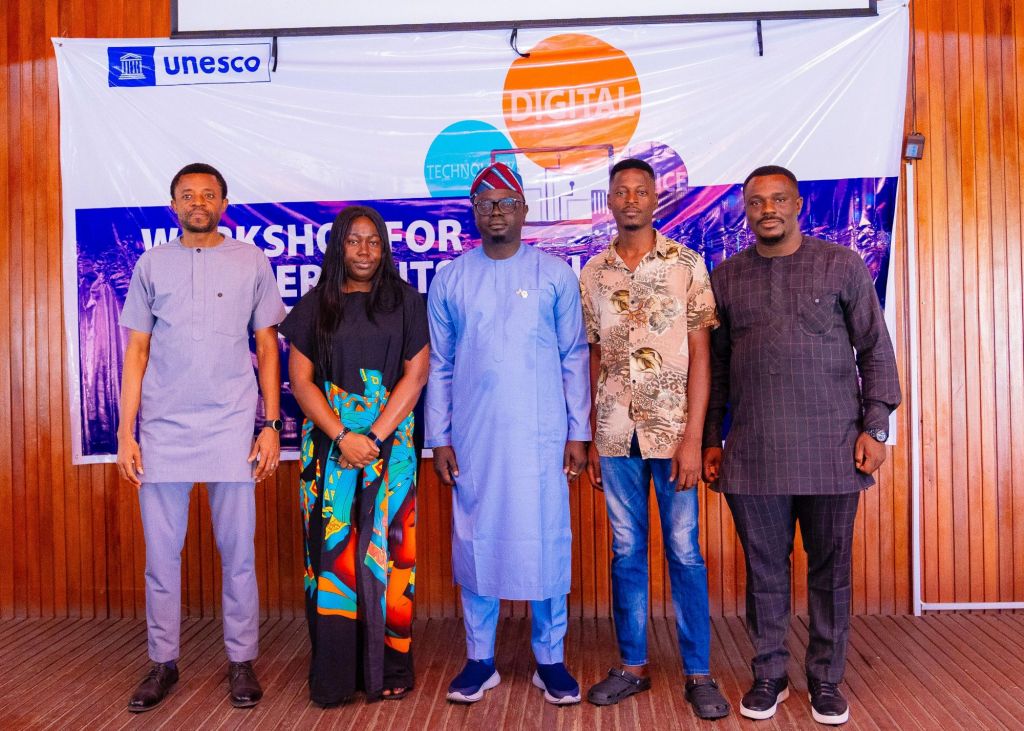
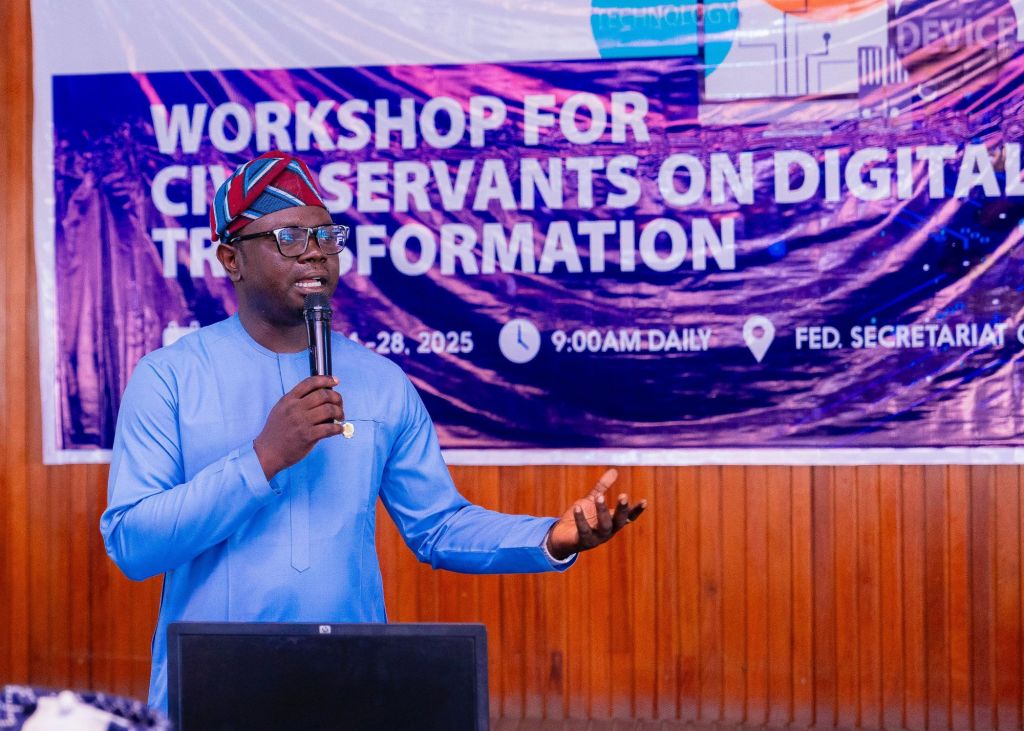
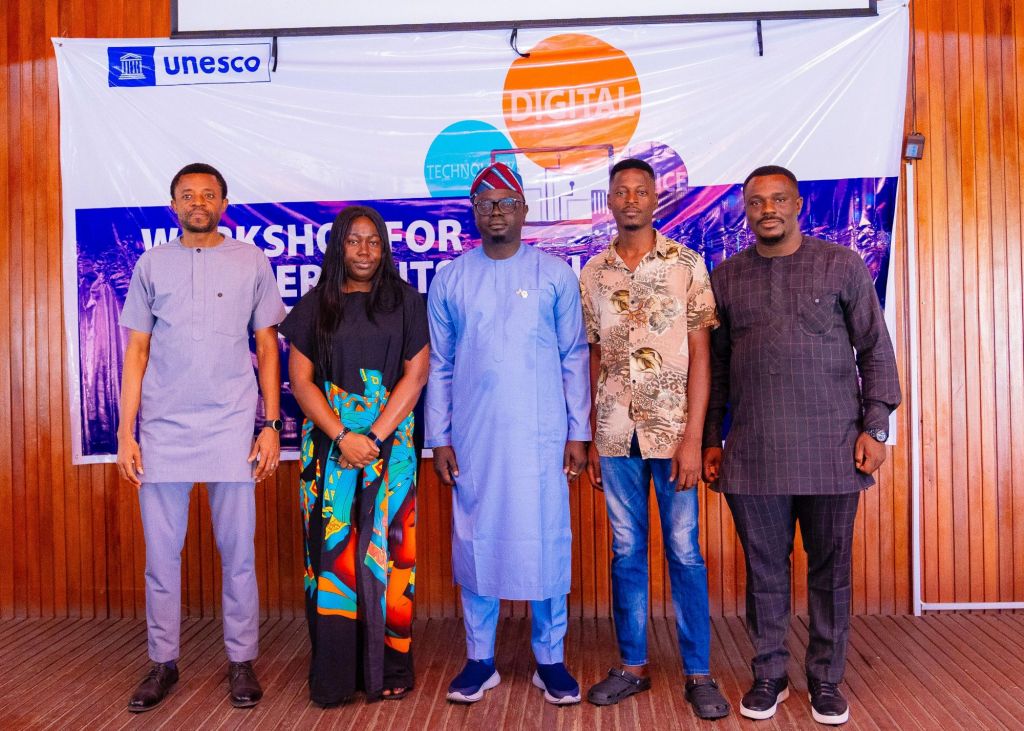
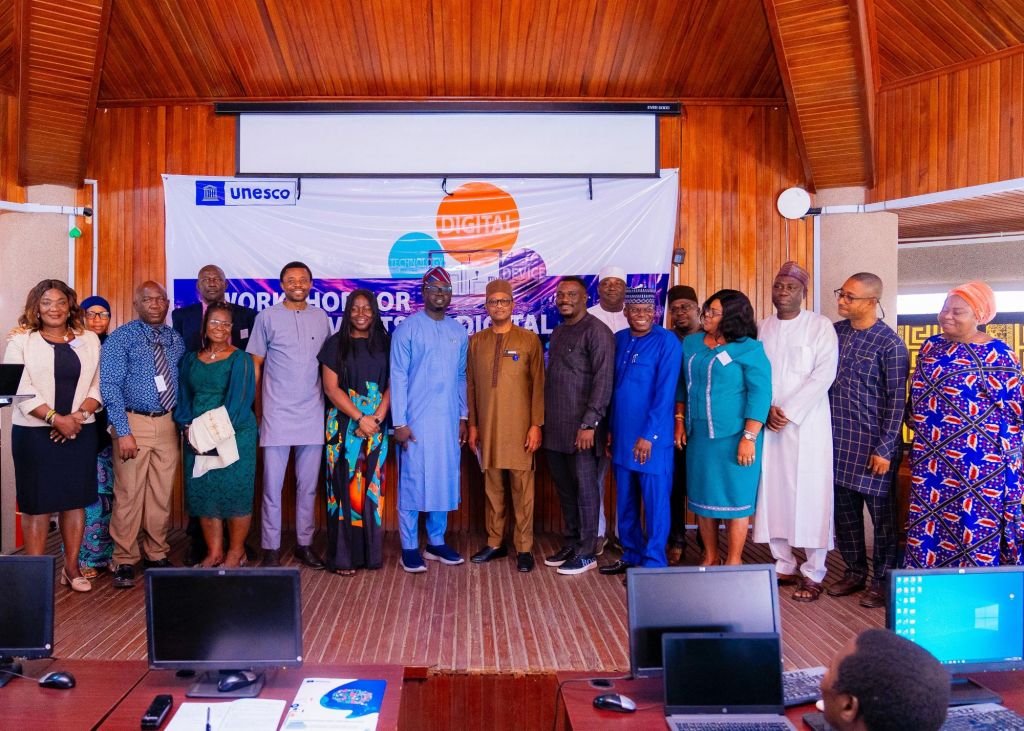
In an era where digital transformation is reshaping governance, UNESCO has taken a bold step to equip civil servants with essential digital skills.
Last week, a comprehensive capacity-building program on Cybersecurity, Artificial Intelligence (AI), Data Privacy, Open Data, and Digital Governance was held to bridge the digital divide and strengthen public sector efficiency.
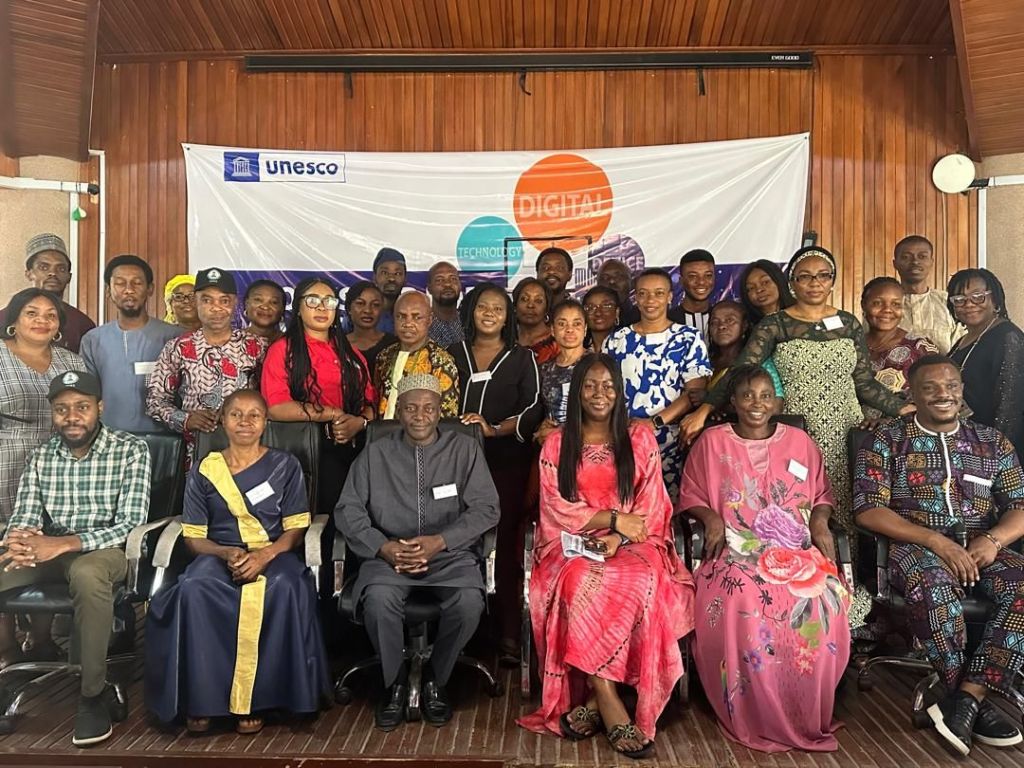
The week-long training, facilitated by Gabriel Akinremi and Dr. Raymond Onuoha, provided an interactive learning experience for government officials. Through case studies, hands-on exercises, and expert-led discussions, participants explored key aspects of digital transformation.
Speaking on the importance of cybersecurity, Gabriel Akinremi emphasized the need for civil servants to adopt best practices in risk management to safeguard government data from cyber threats.
He highlighted the growing role of artificial intelligence in public service delivery, noting that AI-driven innovations could enhance efficiency and decision-making in government operations.
He also stressed the significance of data privacy, explaining that compliance with regulations was crucial in maintaining public trust and ensuring responsible data handling within government institutions.
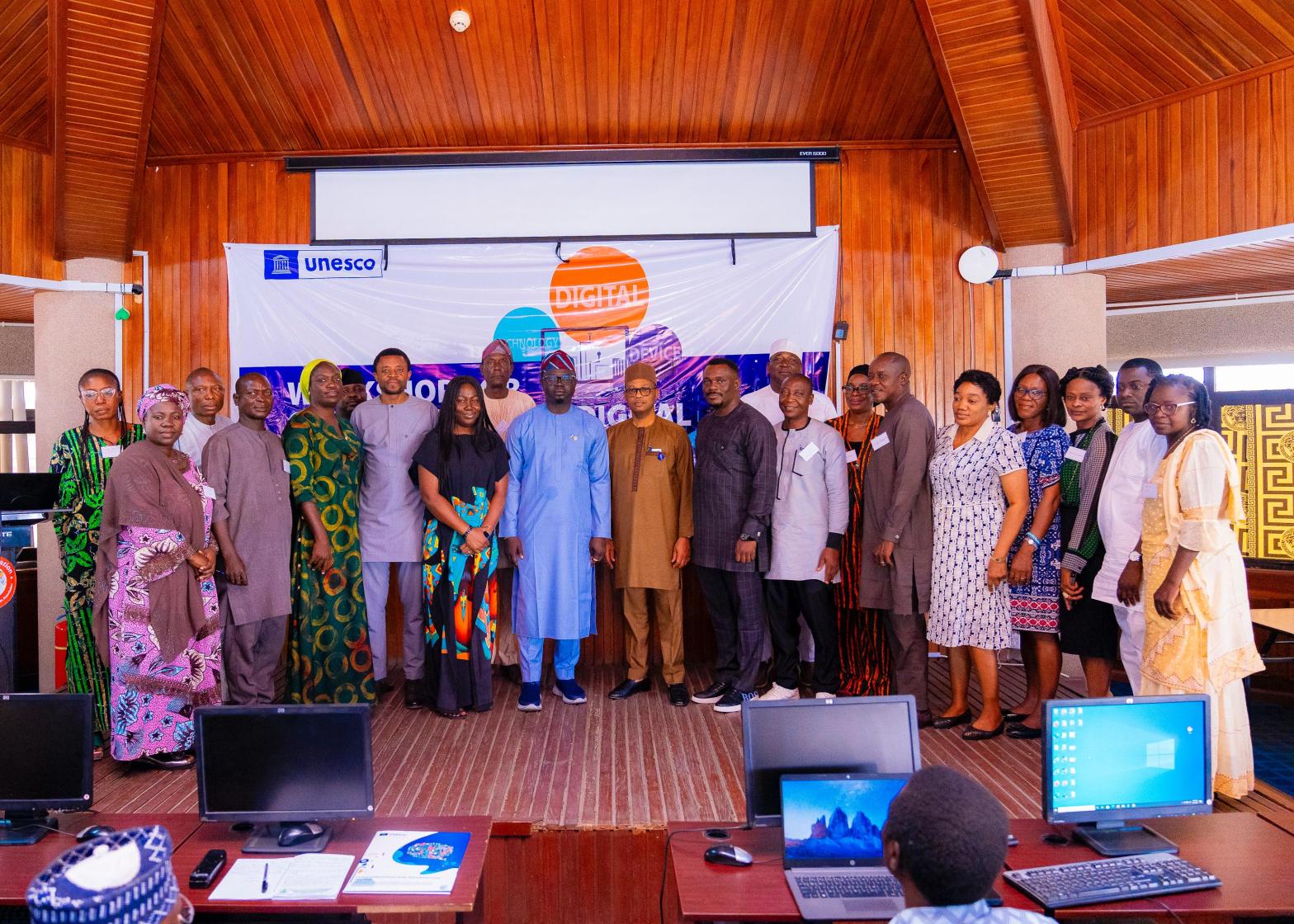
The training saw the participation of Minister of Youth Development, Mr. Ayodele Olawande, alongside directors and middle managers from the Federal Ministry of Youth Development and the Federal Ministry of Information and National Orientation.
Their engagement underscored the government’s commitment to fostering a digitally competent and security-conscious public sector.
At the conclusion of the program, Akinremi reflected on the key lessons gained, stating that participants now had a deeper understanding of how to protect sensitive government data from cyber threats.
He expressed confidence that the training had equipped civil servants with practical knowledge on leveraging artificial intelligence to improve public service delivery.
He also reiterated that upholding data privacy was essential in maintaining transparency and accountability in governance.
The program ended on a high note, with participants receiving certificates of participation as a testament to their commitment to digital transformation.
Akinremi further explained that this initiative aligns with UNESCO’s broader goal of helping government officials implement strategic digital transformation plans.
He pointed out that the training was structured around UNESCO’s AI and Digital Transformation Competency Framework for Civil Servants, ensuring that participants gained relevant and practical knowledge.
He emphasized the importance of understanding policy and regulatory aspects of digital governance, as well as adopting innovation management strategies to create citizen-centric public services. Ethical AI deployment, he added, was another critical area of focus, as governments must balance technological advancements with responsible and fair implementation. He also introduced participants to design-thinking approaches, encouraging them to apply strategic action planning in their digital governance efforts.
Nigeria’s Minister of Innovation, Science, and Technology, Chief Uche Nnaji, has reaffirmed the country’s commitment to working with Commonwealth partners, development organizations, and the private sector to drive climate innovation. Speaking at the Commonwealth Roundtable on Climate Finance and Food Security in London, he outlined Nigeria’s efforts under President Bola Tinubu’s Renewed Hope Initiative to ensure food security while fostering environmentally friendly communities.
The Minister emphasized that Nigeria is directing private investments into climate-smart food production, storage infrastructure, and transportation networks. He noted that the Nigeria Living Lands Initiative aligns with the Commonwealth Living Lands Charter, promoting land restoration, conservation, and climate-smart agriculture.
According to a statement by Dr. Felix Ale, spokesman for the National Space Research and Development Agency (NASRDA), key initiatives include the Green Economy Transition Project, which aims to restore 50,000 hectares of degraded land, incorporate agroforestry techniques, and generate between $2,000 and $3,000 per hectare in new income streams.
Another major initiative, the Climate-Smart Agriculture and Value Preservation Project, is focused on improving agricultural productivity through solar-powered drying, cold storage, and biochar processing. These measures are expected to boost crop yields by 40% and significantly reduce post-harvest losses.
Chief Nnaji stressed the importance of strengthening Commonwealth partnerships to address global climate challenges.
He called for collaboration in establishing a Commonwealth Center for Climate-Smart Agriculture, which would serve as a platform for knowledge exchange, technology transfer, and scaling innovative food security initiatives.
He also urged Commonwealth nations to simplify access to climate finance, ensuring that developing nations can secure the funding needed for large-scale adaptation projects.
Additionally, he advocated for empowering youth and women in climate-agriculture solutions, noting that over 60% of the Commonwealth’s population is under 30. Engaging youth-led agritech startups and women-led agricultural enterprises, he said, would drive innovation in food systems.
The Minister further called for partnerships in carbon credit trading and sustainable agriculture investments, which would create new revenue streams while ensuring environmental sustainability.
He emphasized that climate change, land degradation, and biodiversity loss pose serious threats to food security across the 56 Commonwealth nations. In Nigeria, rising temperatures and erratic weather patterns have led to declining agricultural yields and disruptions in food supply chains.
The country loses about 351,000 hectares of land to desertification annually, with 11 northern states severely affected.
Annual floods destroy over 100,000 hectares of farmland, displacing millions and reducing food availability.
Coastal erosion in Lagos, Bayelsa, and Delta states claims between 30 and 40 meters of land annually, endangering both communities and agricultural activities.
Nigeria also faces significant environmental challenges, including pollution of inland water bodies, which threatens fish stocks and the livelihoods of artisanal fishers.
The Lake Chad Basin has shrunk by over 90% since the 1960s, severely impacting water supply for irrigation and livestock.
The country loses between 350,000 and 400,000 hectares of forest annually, ranking among the highest deforestation rates in the world.
More than 95% of Nigerian farmers rely on unpredictable rainfall, making them vulnerable to droughts and extreme weather conditions.
Rapid urbanization, with a rate exceeding 4% annually, is also leading to the conversion of fertile farmlands into residential and commercial developments, reducing available land for food production.
Meanwhile, Nigeria remains the largest gas flaring country in Africa, emitting over 7 billion cubic meters of gas annually, which contributes to respiratory diseases and environmental degradation.
Despite having the potential to be a net food exporter, the country spends over $10 billion annually on food imports.
To address these challenges, Nigeria has embraced climate-smart agriculture and digital farming innovations. The country has championed climate-adaptive crops such as Tela Maize and improved cotton varieties that resist drought, pests, and extreme weather conditions, ensuring higher productivity with lower environmental impact.
Digital agriculture is also on the rise, with AI-driven precision farming, automated irrigation, and remote sensing technology helping smallholder farmers optimize inputs and minimize losses.
Additionally, clean energy solutions such as solar-powered irrigation and bioenergy systems are transforming rural farming communities, enabling sustainable food production even in water-scarce regions.
The government is also implementing a clean cooking initiative using Low Pressurized Compressed Natural Gas (LPCNG) technology, which is expected to reduce dependence on deforestation-driven biomass fuels.
The Waste-to-Wealth initiative is another key project, focusing on developing an integrated biodigester network capable of producing 2 million cubic meters of biogas and 50,000 tons of organic fertilizer annually.
This effort is projected to cut greenhouse gas emissions by 300,000 tons of CO₂ annually while providing clean energy access to over 10,000 households.
Chief Nnaji emphasized that while technological innovation is critical, sustainable financing is essential to scaling these solutions.
Nigeria is unlocking climate finance through Green Bonds, Climate Resilience Funds, and Public-Private Partnerships.
The country previously experimented with Green Bonds in 2017 and 2019, financing projects in afforestation, renewable energy, and climate-smart agriculture.
The Minister stated that with the right partnerships, similar funding mechanisms could be expanded to support agricultural value chains and food processing enterprises.
Nigeria is also leveraging the Commonwealth Climate Finance Access Hub to access international climate finance, supporting its National Technology Action Plan, which focuses on accelerating technology adoption in agriculture, energy, and industry.
Chief Nnaji underscored the need for urgent action, stressing that Nigeria, as Africa’s largest population and a nation rich in agricultural potential, is leading efforts to integrate innovation, climate finance, and sustainable food systems.
He expressed hope that the Commonwealth Roundtable on Climate Finance and Food Security would serve as a crucial platform to address these pressing challenges, align policies, and mobilize resources for a more resilient and food-secure future.
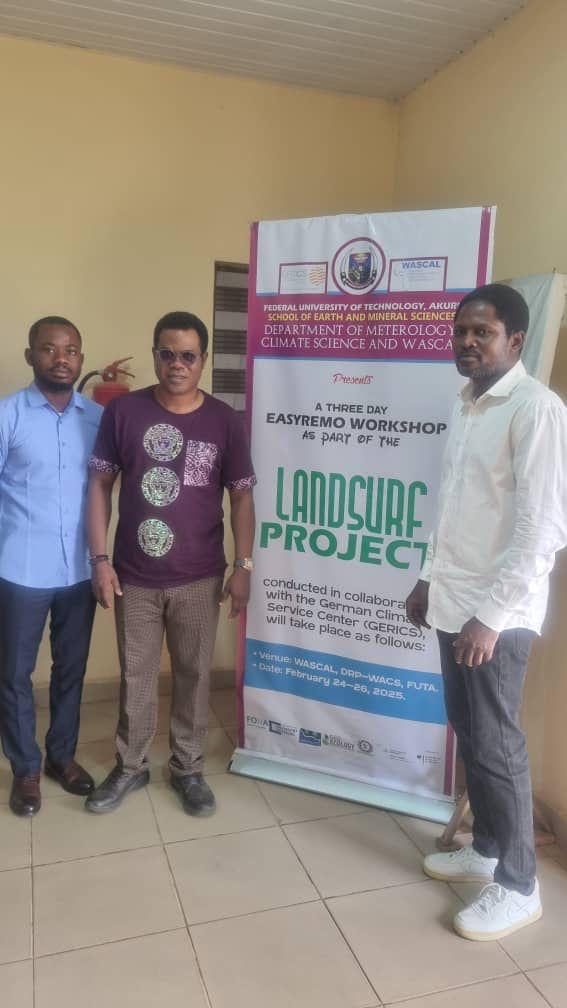
In a bid to advance climate modeling expertise in West Africa, the African Aviation and Aerospace University (AAAU), Abuja, actively participated in the prestigious EasyREMO Workshop.
The event, held from February 24th to 26th, 2025, took place at the West African Science Service Center on Climate Change and Adapted Land Use (WASCAL), hosted by the Federal University of Technology, Akure (FUTA).
Representing AAAU at the workshop were Dr. Eniola Olaniyan, Head of the Meteorology Department, along with postgraduate students Mr. Tunde Atoyebi and Mr. Okanlawon.
The event, jointly organized by the German Climate Service Center (GERICS) and WASCAL’s Doctorate Research Programme in West African Climate Systems (DRP-WACS), aimed to deepen participants’ understanding of climate modeling techniques, particularly through the EasyREMO model.
The workshop provided hands-on training on climate data analysis, interpretation of climate models, and regional climate change assessments. Key discussions focused on the application of localized climate predictions to evaluate the impact of climate change on land use, agriculture, and infrastructure across West Africa.
Through expert-led presentations and interactive sessions, participants gained valuable insights into sophisticated climate modeling approaches, positioning them to contribute meaningfully to climate resilience strategies in the region.
In a bold move to modernize youth engagement in Nigeria, the Minister of Youth Development, Comrade Ayodele Olawande, has urged civil servants across all Ministries, Departments, and Agencies (MDAs) to embrace digital solutions for enhanced efficiency and impact.
Speaking at a UNESCO-organized workshop on Digital Transformation, which brought together staff from the Federal Ministry of Youth Development and the Ministry of Information and National Orientation, Olawande emphasized the transformative power of technology in public service.
He stressed that integrating digital tools into youth-focused initiatives is essential to ensuring that young Nigerians are not left behind in the fast-evolving digital landscape.
“In this digital age, we have an incredible opportunity to engage, educate, and uplift our youth like never before. It is imperative that we evolve and harness these tools to create a more inclusive and impactful youth development framework,” Olawande stated.
The Minister called on civil servants to proactively incorporate modern technology into their programs, proposing the establishment of dedicated youth desks in all MDAs.
This, he noted, aligns with President Bola Tinubu’s vision of a more engaged and responsive youth ministry.
He further advocated for the expansion of the “Digital for All” program, spearheaded by the Federal Ministry of Communications, Innovation, and Digital Economy, to include all civil servants.
According to him, this initiative will equip public sector workers with the necessary digital skills to drive efficiency and enhance service delivery.
Olawande commended UNESCO’s efforts in promoting digital transformation within the civil service, acknowledging that such initiatives would revolutionize governance, improve efficiency, and foster better engagement with citizens.
While seeking stronger ties with the Ministry of Information and National Orientation, the Minister emphasized the power of digital solutions in shaping the future of youth development. “Together, we can harness the power of technology to create a brighter future for the youth of today and tomorrow,” he concluded.
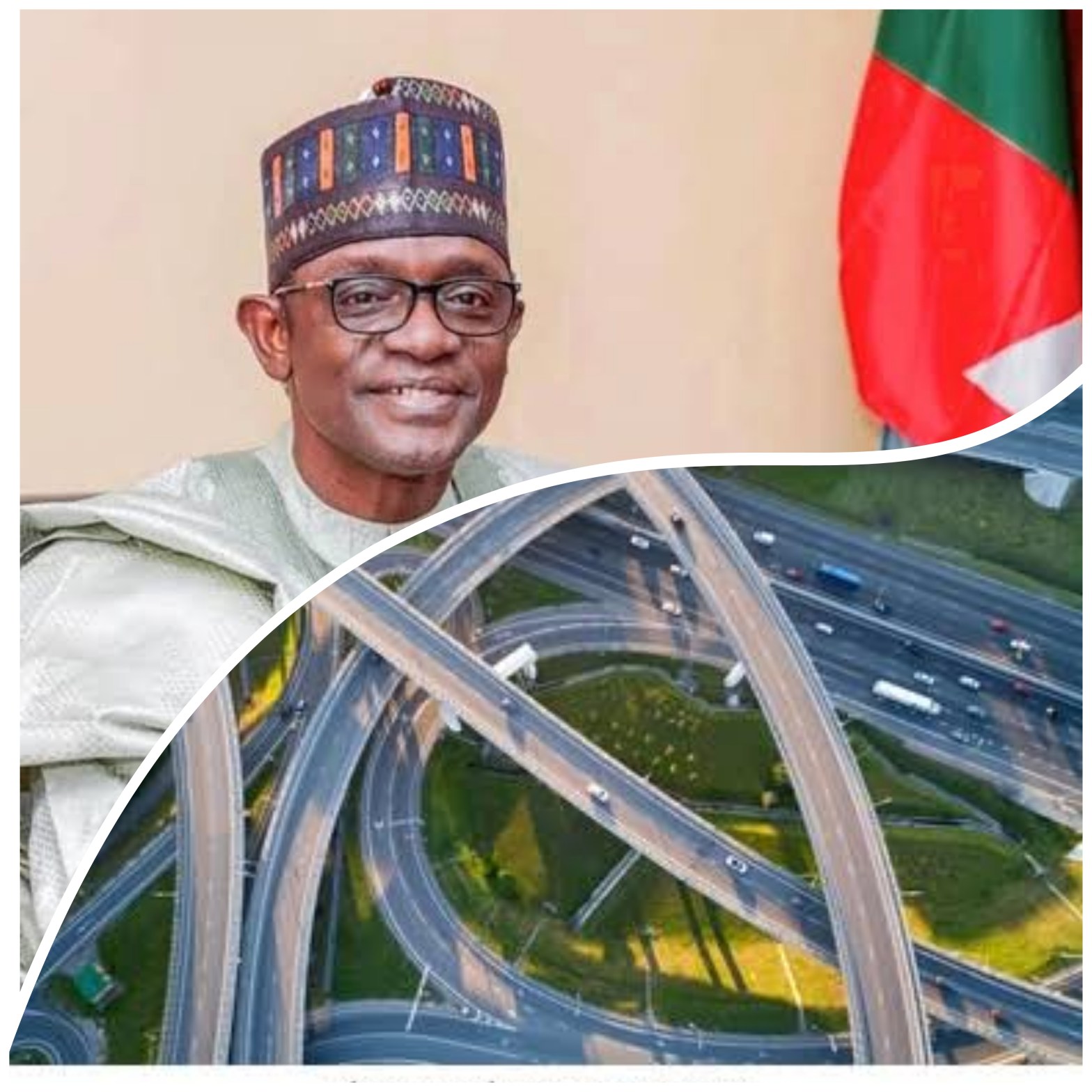
Yobe-based legal expert, Suleiman Hassan Gimba, has weighed in on the ongoing debate surrounding the construction of a flyover in Damaturu.
In a recent statement, Gimba clarified that he does not speak on behalf of Governor Mai Mala Buni or the Yobe State Government but as an ordinary citizen who will directly experience the impact of the project.
“I do not speak for the flyover, nor do I oppose it,” Gimba stated. “I speak as someone who will drive on these roads, as a husband, a potential father, and a citizen whose future is shaped by government policies.”
He emphasized the importance of long-term planning in infrastructure development, citing the difference between Abuja and Lagos as a case study. “Abuja’s roads were built with a master plan in mind, while Lagos has had to adapt over time, leading to traffic congestion and expensive remedial efforts,” he explained.
According to him, Damaturu’s urbanization makes proactive infrastructure projects like the flyover essential.
Addressing economic concerns, Gimba argued that such projects create employment opportunities and stimulate local economies.
“Beyond construction jobs, the flyover will improve connectivity, increase property values, and boost internally generated revenue,” he noted.
He further pointed out that reduced congestion would lower fuel costs and vehicle maintenance expenses while contributing to environmental sustainability.
Reflecting on past infrastructure projects, Gimba drew comparisons to the NPN shops in Potiskum, which were initially criticized but later became vital to the town’s development.
“At the time, many thought they were unnecessary, but today, no one questions their value,” he recalled. “The same will be said of Buni’s five modern markets, the Potiskum Cattle Market, and now, the flyover.”
While acknowledging public skepticism, Gimba stressed the need for transparency in budgeting and execution to ensure the project’s success. “What we can hope for is accountability in every stage of development,” he concluded.
For Gimba, the flyover is more than a political talking point, it is a long-term investment in Yobe’s future.
“Years from now, when the benefits become clear, this project will speak for itself, honoring the vision behind it and improving the lives of the people it was built for,” he affirmed.










 Africa Security Investigation News