The Federal Government, in collaboration with the Independent Corrupt Practices and Other Related Offences Commission (ICPC), has inaugurated the Anti-Corruption and Transparency Unit (ACTU) in the Federal Ministry of Youth Development, marking a significant step toward promoting transparency, accountability, and good governance.
Speaking at the inauguration, the Permanent Secretary, represented by the Director of Education and Youth Development (EYD), Mr. Kabir Mohammad, described the event as a major milestone in the Ministry’s dedication to integrity and ethical governance.
He commended the ICPC for its support in establishing the unit and acknowledged the Ministry’s staff for their efforts since its separation from the Ministry of Sports.
Addressing the newly inaugurated ACTU members, Mr. Mohammad urged them to carry out their duties with integrity, professionalism, and excellence, emphasizing that their role is critical in ensuring transparency and accountability within the Ministry.
He also called on Heads of Departments and Units to work closely with ACTU, particularly on integrity and compliance matters, as these factors are key in the annual performance evaluation of Ministries, Departments, and Agencies (MDAs).
Delivering a goodwill message on behalf of the ICPC Chairman, Mr. Olusegun Adigun highlighted the role of ACTU in advancing the Ministry’s mission of youth empowerment and national development.
He described ACTU as a strategic instrument for ensuring the Ministry achieves its objectives through transparency and adherence to anti-corruption policies.
Mr. Adigun further urged the Ministry’s leadership to provide an enabling environment for ACTU by granting it representation in standing committees, in line with a government directive issued in a circular (Ref No: OHCSF/SPSO/CSTD/314, dated October 5, 2016).
The inauguration of ACTU underscores the Federal Government’s commitment to fighting corruption and strengthening good governance across public institutions, ensuring that the Youth Ministry operates with accountability, integrity, and efficiency.
The Universal Service Provision Fund (USPF) has commended the International Telecommunication Union (ITU) and the United Kingdom Foreign, Commonwealth & Development Office (UK FCDO) for their collaboration in enhancing rural connectivity across Nigeria.
Speaking at an Industry-Focused Stakeholders Engagement Session in Lagos, USPF Secretary, Mr. Yomi Arowosafe, emphasized the significance of the partnership in addressing connectivity challenges in unserved and underserved communities.
The event, organized by USPF in collaboration with ITU and UK FCDO, was part of ongoing efforts to expand digital inclusion and foster socio-economic development through improved telecommunications access.
The engagement drew participation from key industry figures, including the Minister of Communications, Innovation and Digital Economy, Dr. Bosun Tijani, the Permanent Secretary, Faruk Yabo, and the Executive Vice Chairman of the Nigerian Communications Commission (NCC), Dr. Aminu Maida.
Also in attendance were chief executives of telecom firms, state ICT commissioners, industry leaders, trade associations, development partners, and other stakeholders.
During his remarks, Dr. Tijani reaffirmed President Bola Tinubu’s commitment to providing policy direction and initiatives aimed at expanding connectivity, while Dr. Maida assured that the NCC would continue to support USPF projects through effective regulatory measures to accelerate digital infrastructure deployment.
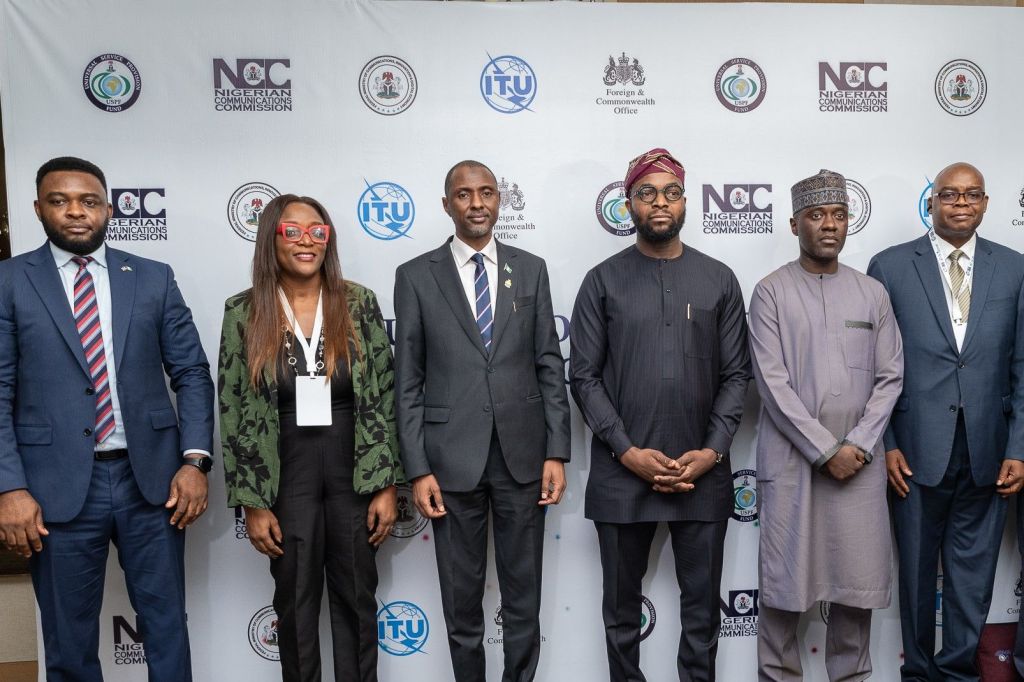
L-R: Representative of the United Kingdom Foreign, Commonwealth & Development Office (UK FCDO), Udoh Indogesit; Nigeria National Consultant, International Telecommunication Union (ITU), Ogundipe Olubunmi; Permanent Secretary, Federal Ministry of Communications, Innovation and Digital Economy (FMoCIDE), Faruk Yabo; Hon. Minister, FMoCIDE, Dr. Bosun Tijani; Executive Vice Chairman/Chief Executive Officer, Nigerian Communications Commission, Dr. Aminu Maida and Secretary, Universal Service Provision Fund, Yomi Arowosafe, during the Industry-focused Stakeholders Engagement Session organised by the USPF of the Commission in collaboration with ITU and UK FCDO in Lagos on Thursday (March 13, 2025)
Arowosafe described the engagement as a reflection of USPF’s commitment to inclusive connectivity, emphasizing that collaboration among government agencies, private sector players, NGOs, and community leaders was essential for sustainable growth.
He noted that the theme of the workshop, “Fostering Connectivity in Unserved and Underserved Communities: Collaborating for Sustainable Growth,” aligned with NCC’s Strategic Focus Areas, the Ministry’s Strategic Blueprint, and Presidential Priority Areas.
He further disclosed that USPF had gathered stakeholder input through questionnaires ahead of the event, with responses shaping panel discussions on strategies to improve connectivity through partnerships, capacity-building, security, and innovative funding mechanisms.
“This engagement provides a platform for robust dialogue and practical solutions to improve telecommunications access in underserved regions. It is the beginning of a collective journey toward a more connected, inclusive, and prosperous Nigeria,” Arowosafe said.
He encouraged active participation from stakeholders, urging them to contribute their expertise toward strengthening Nigeria’s digital ecosystem and improving the lives of all citizens.
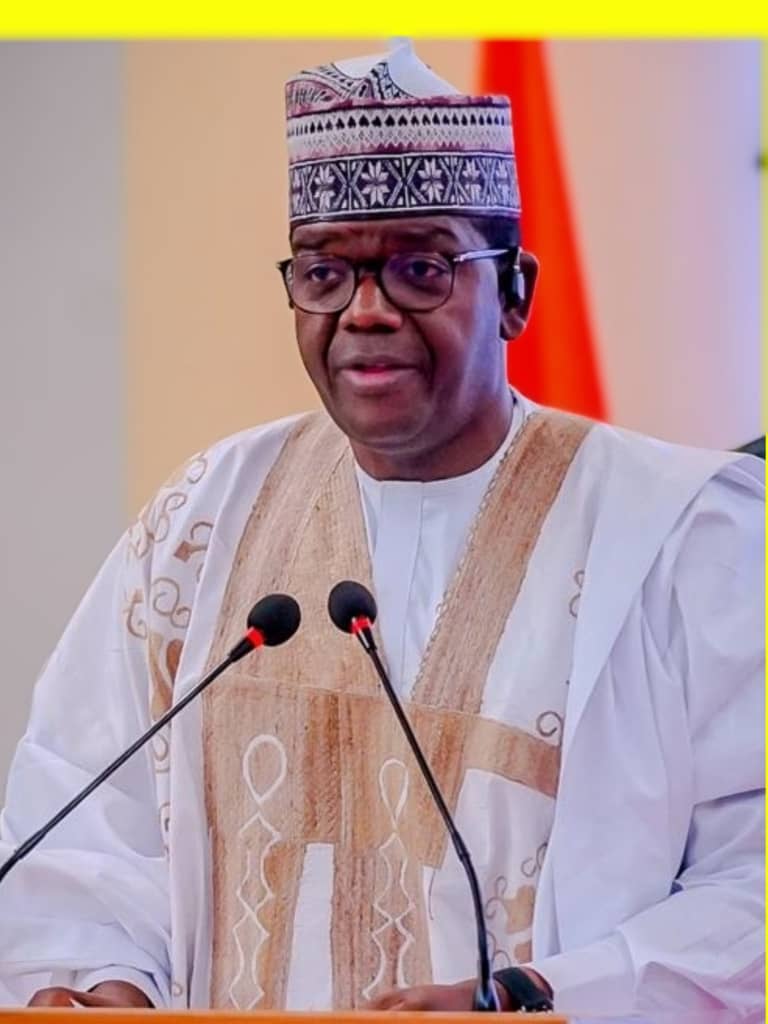
The Minister of State for Defence, Dr. Bello Mohammad Matawalle, has voiced strong support for President Bola Ahmed Tinubu’s declaration of a state of emergency in Rivers State, calling it a crucial step towards restoring stability amid the state’s ongoing political crisis.
In a statement released on Tuesday, Matawalle emphasized that the decision was necessary to address the prolonged instability that has hampered governance and the welfare of Rivers residents.
He urged all political actors to respect the declaration and work towards a peaceful resolution.
The Minister also issued a stern warning against any attempts to attack government facilities or disrupt public order, stating that the Nigerian military remains on high alert to protect critical infrastructure and ensure public safety.
He highlighted the demolition of the Rivers State House of Assembly, which has left the state without a functioning legislature for over a year, as a key factor contributing to the political deadlock. Matawalle referenced a recent Supreme Court ruling, which condemned the governor’s actions as unconstitutional and stressed the need for immediate restoration of democratic governance.
Expressing concern over reports of vandalism and militant threats, the Minister reaffirmed the Federal Government’s commitment to securing the state and protecting its citizens.
He also reassured the public that the Ministry of Defence and the Armed Forces will continue to uphold national security and ensure peace and stability in Rivers State.
Matawalle called on all stakeholders to seize this opportunity for renewed governance and cooperation, expressing hope that the state of emergency will pave the way for a peaceful, democratic, and stable Rivers State.
The atmosphere at the Revenue Mobilisation Allocation and Fiscal Commission (RMAFC) Headquarters in Abuja was filled with celebration on Thursday, March 13, 2025, as Barr. Rakiya Tanko Ayuba Haruna, the Federal Commissioner representing Kebbi State, was conferred with the esteemed traditional title of Innar Sakaba.
A delegation from Sakaba Kingdom, led by representatives of the Chief of Sakaba, Alhaji Muhammad Ladan, presented her with the certificate of conferment in recognition of her exceptional service and contributions to her community and the nation at large.
Hon. Rakiya, a distinguished legal expert and public servant, has a legacy of recognition for her leadership and impact. She previously held the title of Garkuwan Matan Zuru, conferred upon her by the Emir of Zuru, Maj. Gen. (Rtd) Muhammad Sani Sami, and served as the Attorney General and Commissioner of Justice in Kebbi State.
The ceremony, chaired by the Chairman of the Commission, Dr. Mohammed Bello Shehu OFR represented by Hon. Ismail Muhammad Agaka, the Federal Commissioner from Kwara State highlighted Hon. Rakiya’s outstanding contributions.
Hon. Agaka, speaking on behalf of the Chairman, praised her achievements, stating, “Today, as Hon. Rakiya is being conferred with the distinguished title of Innar Sakaba, we recognize not only her professional excellence but also her historical contributions. Her trajectory is a testament to perseverance and excellence.”
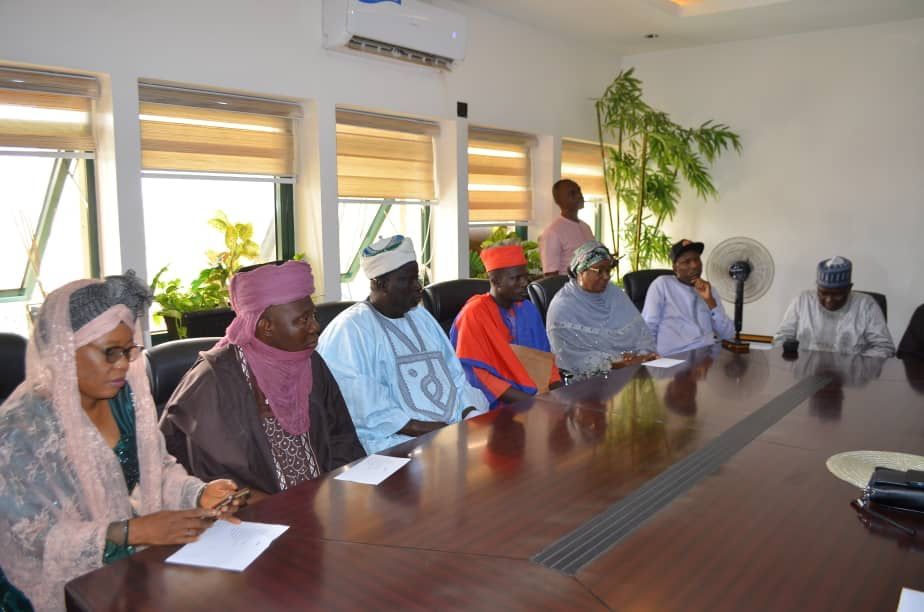
A cross section of the visitors from Sakaba, Kebbi State
He further emphasized the importance of staying connected to one’s roots, remarking, “Regardless of how high we ascend in life, our roots remain our foundation. Just as a tree bears fruit only when its roots are strong, so too must we remember and honor where we come from. Hon. Rakiya has been a worthy ambassador for her people, from Sakaba to Zuru, Kebbi State, the Northwest, and beyond.”
Hon. Hauwa Umar Aliyu, the Federal Commissioner representing Jigawa State, also commended Hon. Rakiya’s dedication and service, describing her as a diligent and committed member of the Commission. Other staff members echoed similar sentiments, celebrating her contributions to governance and development in Nigeria.
In her vote of thanks, Hon. Rakiya Tanko Ayuba Haruna expressed profound gratitude for the honor, stating, “This recognition is not only a great personal honor but also a profound responsibility, which I accept with humility and deep appreciation. Sakaba Chiefdom has a rich history of leadership, unity, and cultural heritage, and I am truly privileged to be associated with this great institution.”
She pledged to uphold the values of her new title, vowing to continue serving with dedication, integrity, and commitment to the progress and prosperity of her people.
The event was attended by dignitaries from Kebbi State, members and staff of RMAFC, traditional rulers, and well-wishers, marking yet another milestone in the distinguished career of Hon. Rakiya Tanko Ayuba Haruna.
The Revenue Mobilisation Allocation and Fiscal Commission (RMAFC) has reassured Nigerians of its dedication to reviewing and recommending appropriate remuneration for political, public, and judicial office holders in line with its constitutional mandate.
Dr. Mohammed Bello Shehu, OFR, Chairman of RMAFC, gave this assurance while receiving a delegation from the Investment and Securities Tribunal (IST), led by its Chairman, Hon. Amos Isaac Azi, on a courtesy visit. Dr. Shehu emphasized that the Commission would conduct a thorough review of IST’s salary structure to ensure it aligns with constitutional provisions.
Acknowledging IST’s critical role in Nigeria’s capital market, Dr. Shehu commended the tribunal’s global recognition as a model for specialized adjudication.
He highlighted its contribution to investor confidence by efficiently resolving disputes among investors, companies, and individuals, thereby promoting financial stability.
“We recognize the remarkable work being done by the IST. Your role in ensuring swift and fair dispute resolution is instrumental to market stability. Given the importance of your work, it is only right that we give due attention to your remuneration structure to ensure it reflects your responsibilities,” Dr. Shehu stated.
He assured the IST delegation that the Commission would approach the review with urgency, emphasizing that while such processes take time due to required consultations, RMAFC remains committed to delivering a fair and just recommendation.
Earlier, Hon. Amos Isaac Azi had urged the Commission to ensure that the IST Chairman, members, and Chief Registrar receive salaries equivalent to those of the Chief Judge, Judges, and Chief Registrar of the Federal High Court, as stipulated in Section 220 of the Investment and Securities Act 2007.
“As the custodian of investment dispute resolution in Nigeria, the Investment and Securities Tribunal must remain a beacon of efficiency and investor confidence. Just as the law mandates parity in remuneration between the Tribunal and the Federal High Court, its implementation must reflect this statutory provision without delay,” Hon. Azi stressed.
He also highlighted the tribunal’s achievements, including the resolution of over ₦1.3 trillion worth of disputes in favor of investors and government agencies, as well as its pioneering role in introducing verbatim transcription and virtual hearings in Nigeria.
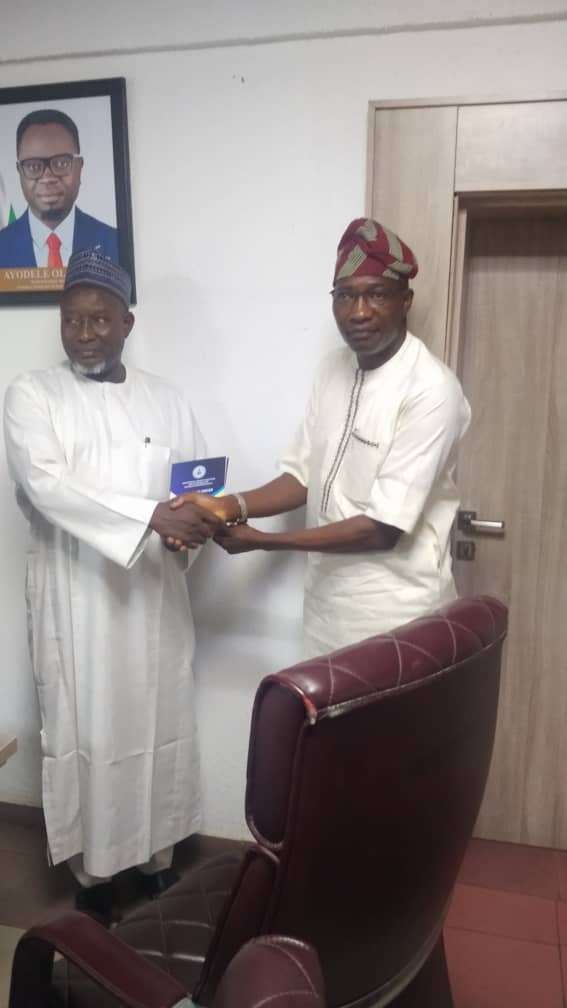
During the visit, the IST Chairman presented the Nigerian Investment and Securities Tribunal Law Reports, a publication showcasing the tribunal’s commitment to legal excellence and transparency in capital market adjudication.
In her vote of thanks, Hon. Rakiya Tanko Ayuba Haruna, Federal Commissioner representing Kebbi State in RMAFC, expressed appreciation for IST’s engagement with the Commission. She reaffirmed RMAFC’s dedication to ensuring fair and just remuneration for all public institutions in line with constitutional provisions.
“RMAFC remains committed to reviewing and recommending appropriate remuneration structures, ensuring compliance with constitutional mandates while supporting institutions like the Investment and Securities Tribunal in their efforts to strengthen Nigeria’s financial sector,” she stated.
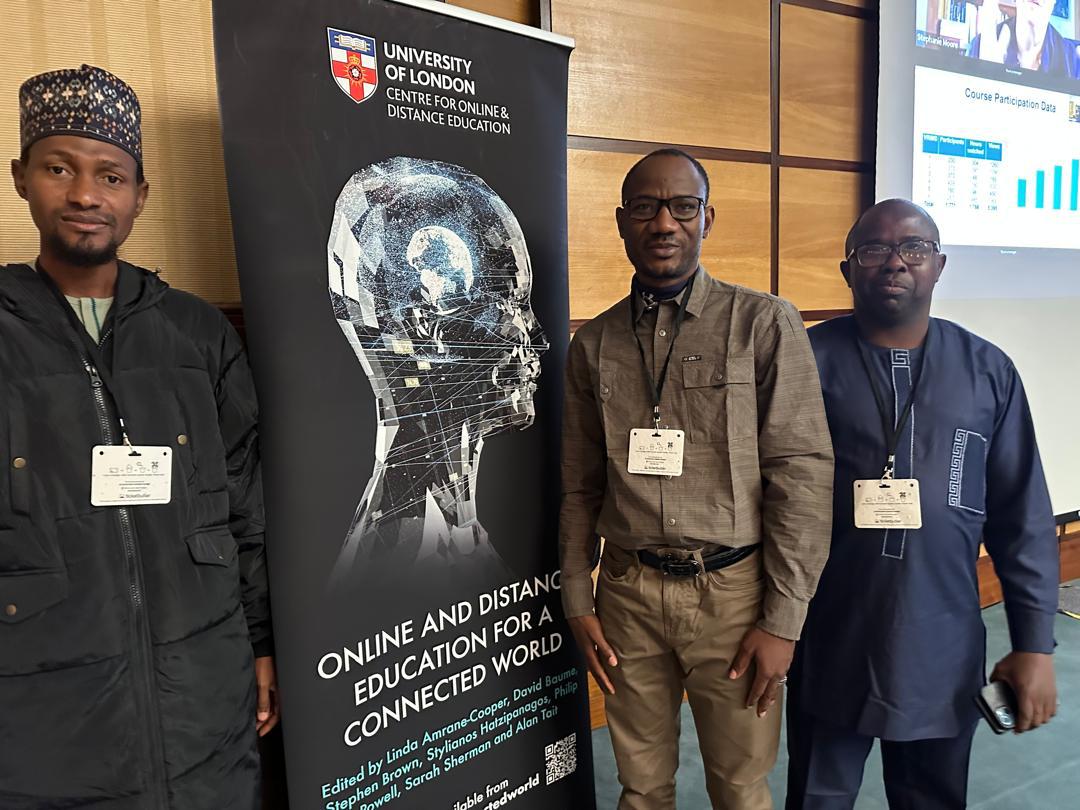
In a bid to shape the future of distance education, a delegation from the African Aviation and Aerospace University (AAAU) is actively participating in the Research in Distance Education (RIDE) 2025 conference at the University of London.
Led by Professor Yahaya Zayyana Ibrahim, the team joins a distinguished gathering of academics and professionals from around the world.
The event, organized by the Centre for Online and Distance Education, serves as a platform to explore emerging trends and technological innovations in education.
AAAU’s presence at RIDE 2025 underscores its commitment to blended learning and the integration of cutting-edge educational practices.
As the institution continues to advance aviation and aerospace studies, its engagement in such global conversations reinforces its position at the forefront of higher education in the field.
The Federal Government has reaffirmed its dedication to transparency, accountability, and sustainable reforms, assuring Nigerians that ongoing policies will yield positive outcomes.
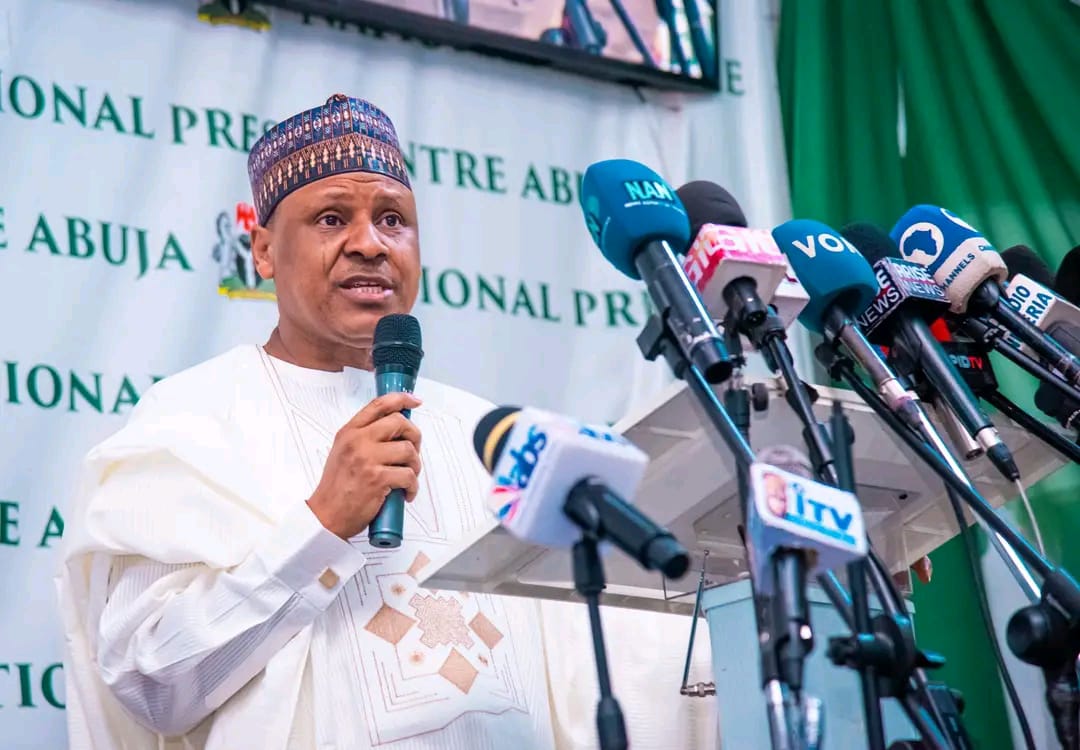
Speaking at the fourth edition of the 2025 Ministerial Press Briefing Series in Abuja, the Minister of Information and National Orientation, Mohammed Idris, emphasized the importance of open communication between the government and citizens.
He noted that the briefing series was designed to ensure Nigerians receive firsthand updates on government policies and progress.
“This session is an interactive platform leveraging multimedia channels to promote transparency and direct public engagement,” Idris stated.
He added that five ministers have already participated in the series, reinforcing President Bola Ahmed Tinubu’s commitment to openness in governance.
The briefing featured the Minister of Aviation and Aerospace Development, Festus Keyamo (SAN), and the Minister of Education, Dr. Tunji Alausa. Also present were permanent secretaries, directors, and heads of government agencies.
Acknowledging the challenges posed by ongoing economic reforms, Idris reassured Nigerians that the hardships were temporary. “Our country stands at a critical juncture as President Tinubu implements bold and transformative reforms. Across the world, history has shown that meaningful reforms demand sacrifice, resilience, and a commitment to long-term progress,” he said.
He cited signs of economic improvement, including a reduction in food prices, exchange rate stability, and a gradual decline in petroleum costs.
He also praised the media for their role in informing the public and fostering democratic accountability.
As the country observes Ramadan and Lent, the Minister called on religious leaders to pray for peace, security, and national development. Reflecting on his recent address at the Annual Ramadan Lecture in Kaduna, he highlighted the role of faith in governance. “A nation thrives when its leaders govern with a sense of divine responsibility. President Tinubu leads with the utmost fear of God, guided by the conviction that history will judge his administration favorably,” he said.
He urged Nigerians to remain united and resilient, assuring them that with collective effort, the country would emerge stronger and more prosperous.
We, the Concerned Christian Youth Forum, have recently learned of the disrespectful and abusive comments made by Omoyele Sowore against Christian Leaders in general. This behavior is completely unacceptable
To label our Fathers of Faith and Pastors as failures, uneducated, or jobless is preposterous, egregiously disrespectful, and therefore, unacceptable. The time has come to put an end to Sowore’s incessant attacks on the Christian Faith and her reputable leaders.
It is a shame that he, Sowore has chosen to denigrate the accomplishments and contributions of some of the most revered Fathers of our Faith and Pastors in our country, each of whom has achieved remarkable success in their respective fields. Bishop Francis Wale Oke, Pastor E.A Adeboye, Bishop David Oyedepo, Pastor W.F Kumuyi, Pastor Ayo Oritsejafor, Pastor D.K Olukoya, Pastor David Ibiyeomie, Dr Pastor Paul Enenche, Pastor Chris Oyakhilome, Pastor Paul Adefarasin, Apostle Johnson Suleman, Pastor Poju Oyemade, Apostle Joshua Selman, and Pastor Jerry Eze, Pastor Biodun Fatoyinbo, Pastor Godman Akinlabi, Pastor Emmanuel Iren, Pastor Korede Komaiya and many others that space will fail me to mention, all possess impressive academic achievements, not to talk of their years of service and devotion to their calling.
Sowore should reflect on the fact that these individuals are not only spiritual leaders but also intellectual heavy weights who have earned the respect and admiration of millions of people around the world. Academically, Sowore is a dwarf where most of these men are standing. How can a sane man refer to a First Class graduate of mathematics or a professor of mathematics as uneducated? It is apparent that Sowore’s insults are not grounded in reality but rather in ignorance and hate. His insults are further confirmations that he is an uncouth, uncultured and unlearned man who is desperately seeking attention and relevance. We urge him to rethink his approach and refrain from further attacks against Christianity and her leaders. The Concerned Christian Youth Forum will not stand idly by and watch our Faith and leaders disrespected and maligned by Sowore.
This is to serve a strong note of warning to Omoyele Sowore and his ilk that any further attacks on Christianity or Christian leaders will be met with a stronger response. Sowore should be mindful of the fact that his miguided words and actions have far-reaching consequences, even capable of causing a breakdown of law and order. He should be held accountable for his reckless, rascally and ignoble role in inciting social and religious disturbance in a volatile society such as ours.
In conclusion, we, the Concerned Christian Youth Forum, stand in solidarity with our Christian Leaders and our Faith. We will not tolerate any further attacks against them, and we will continue to defend their honor and integrity. We wish to draw the attention of the government of the Federal Republic of Nigeria to the potential danger of Sowore’s rascality especially as it borders on religious sensitivity and the implications for national peace and security.
James Paul Adama Converner, CONCERNED CHRISTIAN YOUTH FORUM
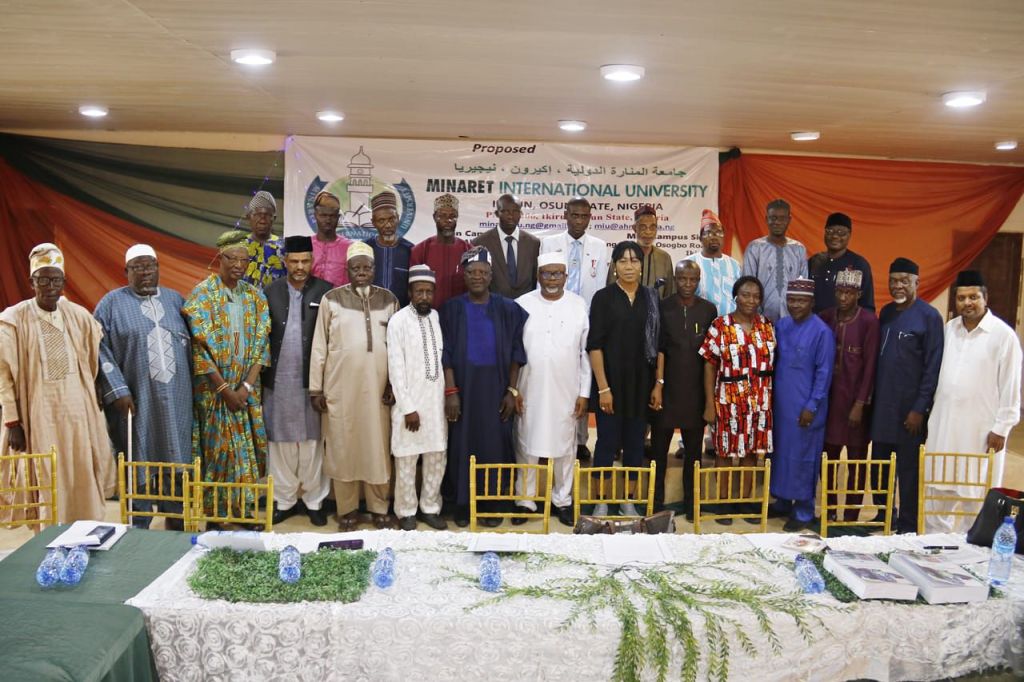
The First African UNESCO Laureate Prof Sir Bashiru Aremu, unveiling the New Logo of Minaret International University with its features as stated below:
The (MIU) which was licensed by Federal Government of Nigeria and sponsored by Jamaat-e-Ahmadiyya Nigeria and globally.
According to His Excellency UNESCO Laureate Prof Sir Bashiru Aremu, The journey for the MIU began in 2016 following a resolution at the annual Shura of Jamaat Nigeria, led by the former Amir of Jamaat Nigeria, Prof Mashuud Adenrele Fasola Sahib.
The Shura proposal came from the Ibadan circuit of the Jamaat; once adopted, it was presented to the World wide Leader of Ahmadiyya, Hazrat Khalifatul Masih Vaa during a mulaqat by the Nigerian delegation to the Jalsa UK.
The initial main campus was on 600 hectares of land at Agbonbiti in Ile-Ife. But Ikirun was later considered as the main campus, while Agbonbiti will be the satellite campus solely for the Agriculture and Farm Settlement Project.
The Ikirun site was close to the Federal Government College, connected to the national grid and easily accessible from the newly constructed dual carriageway to the town.
Ikirun has a railway terminus, close to Osogbo, the state capital, which equally has an airport, though not completed yet. With a federal university – Obafemi Awolowo University and Federal University of Health Science, Ila-Oragun with others universities withing the state.
The university will start with three faculties; humanities, sciences and education. The remaining faculties will be added gradually.
This is the first university with both an Islamic and Western education model to be established by the Jamaat.
Ghana had the opportunity of the establishment of a solely theology university years back. As a truly international university, it will draw academicians, researchers and students across the globe. The vision of MIU, is to pursue intellectual and moral development for creativity, entrepreneurship, adaptability and survival of our university graduates. Such a university education for the youth will be designed to promote academic excellence, moral discipline and the spirit of selfless service for the advancement of socio-economic development, the emancipation of the people and commitment to global cooperation for development and unity of humanity.
The mission is to establish a world-class tertiary institution for the intellectual and manpower development of human resources for sustainable socioeconomic development nationally, regionally and internationally.
The university will be committed to giving opportunity to all qualified candidates at home and from abroad based on merit and equity, through a work-study methodology and without any sectarian or racial discrimination.
The philosophy of the university education is a wholesome one that integrates moral and academic excellence for a healthy development of the mind and body in such a manner that the graduate of our university would be of immense benefit and dignity to himself or herself, to the family, the community, the nation and humanity at large.
The university education will focus on environmentally sustainable growth and development of all aspects of agriculture, energy and transportation infrastructure, water, natural resources, manufacturing and processing, management sciences, engineering, communication technology, humanities as well as scientific and technological research relevant to global development problems and challenges.
In precise terms, as a wholly faith-based university, the philosophy implies the following specific principles:
Strict enforcement of moral discipline
Guarding against alcoholism and drug addiction
Banishment of cultism
Infusing theory and practice/work approach through practical entrepreneurship training
Philosophy of students’ research projects
Sports, physical fitness and martial arts The MIU, will be guided by the following aims and objectives:
Offering admission to various academic and professional programmes of the institution based purely on relevant well-defined and universally accepted academic and moral merits
Admission to undergraduate courses in various approved disciplines for all qualified candidates globally
Admission to graduate programmes in various approved disciplines based on well-defined qualifications for distinguished graduate students from the institution and other recognised universities and similar institutions globally
To provide remedial programmes for interested candidates with deficiencies towards meeting the standards required by merit for various programmes
Undertaking and promoting research in areas of environmental and development challenges unilaterally and in cooperation with other research institutions as well as industrial and agricultural establishments
Commercialising research findings through pilot projects for the benefit of small-scale enterprises, and invite interested corporate bodies to participate in the efforts to commercialise research findings
Engaging in intellectual and charitable community services such as community development projects, public policy analysis, debates and career guidance and counseling for prospective university students
Organising academic conferences from time to time to address problems of socio-economic development and environmental challenges
Publications of academic journals and monographs through internal and external publishing outfits
Business ventures and consultancy services relevant to the competence and capacity of the human resources at the disposal of the university for the promotion of the practical and technical orientation of the university.
Jamaat-e-Ahmadiyya Nigeria pioneered Muslim missionary education in Nigeria in 1922 with the opening of the first Muslim primary school, Talim-ul-Islam Primary School Elegbata in Lagos Island, inaugurated by the late Mr Henry Carr, the then Colonial Education officer for the Lagos Colony. Thereafter, the flood gates of Islamic and Western education for teeming Nigerian Muslim children across gender, race and religion commenced, thereby laying a good educational foundation.
The Jamaat-e-Ahmadiyya Nigeria first venture into secondary education followed in the 1950s and 1970s across the country with a special programme called “The Nusrat Jehan Scheme”. Nigeria, Ghana, Sierra Leone and The Gambia profited immensely from this scheme. In Nigeria, there are over 20 secondary schools in Lagos, Ibadan, Owode, Ogbagi Akoko, Onda, Ara, Umaisha and Kano.
The primary schools across the country were feeders for the secondary educational institutions for the current and next generation of elites for Nigeria.
Within this period, a wholly Islamic Missionary training College, Jamiatul Mubashireen, was established at Ilaro along Owode road in 1976.
Two schools for the memorisation of the Holy Quran for boys and girls aged 9-13 years, were established in Ilaro. The current Ahmadiyya Science College in Ilaro will metamorphose into a technical college any moment from now, as a team of experts and Ahmadi engineers from London visited the Ogun State Commissioner of Education, Science and Technology recently. Jamaat-e-Ahmadiyya Nigeria was quite methodical in its approach to educational pursuits for better understanding of the religion of Islam, the humanities, science and deep knowledge of the Holy Quran. The educational institutions have produced manpower resources and generated employment for Nigerians.
Minaret International University, obviously, is a great step towards a prosperous, sound and functional education for Nigerians and foreigners as well.
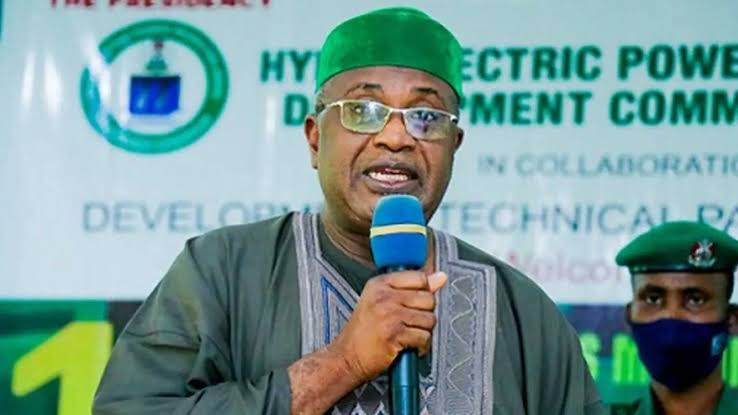
In recent years, the Hydro-Electric Power Producing Areas Development Commission (HYPADEC) has served as a vital institution aimed at improving the lives of communities affected by hydroelectric projects in Nigeria. The commission was established to address the socio-economic impacts of power generation on local populations, but it has continued to face numerous challenges in its efforts to enact meaningful developments. A turning point for the commission came when it had Alh. Abubakar Sadiq-Yelwaa at its helm of affairs and this marked a significant turn around for HYPADEC, particularly when compared to the previous leadership that had struggled with bureaucratic inefficiencies and faced challenges in balancing government directives with the urgent needs of local populations. Another evident challenge was the inconsistent ineffectiveness of the commission over the years. Critics often pointed out a lack of clear direction, inadequate funding, and poor stakeholder engagement as key factors inhibiting its progress. During the previous leadership, many projects were either abandoned or poorly executed, leading to dissatisfaction among the communities it was meant to assist. Reports demonstrating the frustration of local communities highlight this disconnect.
However, the commission, Hydroelectric Power Producing Areas Development Commission was established by an Act of the National Assembly to address ecological challenges from the operations of Hydroelectric Dams, its Act was passed and signed in 2010 while in 2013, the act was amended to include Benue and Plateau states and replaces 30% revenue derived from the total revenue accruing to the companies or authorities operating in the host communities with 10% revenue derived from concessioning of the hydro plants and royalties paid to the Federal Government. In 2016, Amendment II of the HYPPADEC Act took place by reducing the percentage from 30% to 10%, on the total revenue deductible from revenue generated by any company or authority from the operations of any hydroelectric dam, in any member state of the Commission. In 2020, President Muhammadu Buhari, GCFR, constituted Governing Council for the Commission which was inaugurated in December, 2020.
The Mission of the commission is to harness resources in the most transparent, acceptable and cost-efficient manner towards ameliorating the negative effects of hydroelectric dam operations in HYPPADEC member states, with its vision to bring equitable and sustainable development that will impact positively on HYPPADEC member states and its core responsibility of formulating policies and guidelines for the development of hydroelectric power producing areas and managing ecological menace due to operations of dams and other hydroelectric power activities.
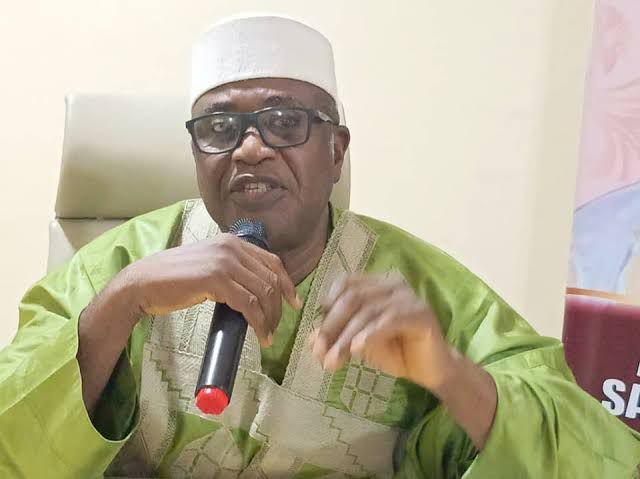
When Alh. Abubakar Sadiq-Yelwaa assumed leadership of HYPADEC. His tenure presented an opportunity for revitalising the commission through strategic vision and inclusive policies. Sadiq-Yelwaa, with a background in community development and extensive experience collaborating with numerous stakeholders, prioritised a more interactive and responsive approach to leadership.
He has immeasurably contributed to the harnessing of resources in the most transparent, acceptable and cost-efficient manner towards ameliorating the negative effects of hydroelectric dam operations in HYPPADEC member states, led the formulation of result oriented policies and guidelines for the development of hydroelectric power producing areas, conceived and executed some of the plans aimed at enhancing the commission’s efficiency in accordance to the ethics of his job, projects and programmes for the development of hydroelectric power producing areas, carried out and still carrying out numerous surveys of hydroelectric power producing areas in order to ascent the measure which are necessary to promote its physical development, prepared and still preparing schemes designed to promote the physical developments of hydroelectric power producing areas and estimate the cost of implementing such schemes, implementing measures approved for the development of hydroelectric power producing areas by the Federal Government, identifies factors inhibiting the development of the hydroelectric power producing areas and assist states in the formulation and implementation of policies to ensure sound and efficient management of the resources of the hydroelectric power producing areas, assess and report on any project being funded or carried out in the hydroelectric power producing areas while tackling ecological problems that arise from overloading of dams in the hydroelectric power producing areas and advise federal government on the prevention and control of floods and environmental hazards as well as executing such other work and perform such other functions which in the opinion of the commission, are required for the development of the hydroelectric power producing areas and their people, and obviously carrying out such other functions as the president directs.
One of the most significant changes under Sadiq-Yelwaa’s leadership has been the implementation of policies that align more closely with the needs and concerns of member states. For example, the “One Community, One Project” initiative aims to address distinct challenges faced by each local area, ensuring that developmental efforts are tailored and effective. This initiative contrasts sharply with the previous regime, where projects often lacked community input and cohesion, leading to disjointed and ineffectively managed initiatives.
In testimony to these changes, a recent evaluation of ongoing projects under Sadiq-Yelwaa noted that over 30 new developmental projects have been initiated since he took office. These encompass various sectors, including healthcare, education, capacity building, skills acquisition empowerments and infrastructure, further underscoring a comprehensive strategy to alleviate poverty and improve living standards within affected communities.
Another pivotal area of improvement has been community engagement. Under Sadiq-Yelwaa’s leadership, there has been a concerted effort to involve local stakeholders in decision-making processes. This approach not only empowers the communities but also fosters a sense of ownership and responsibility towards the developmental projects being implemented. Previously, many initiatives were dictated by external leaders, resulting in resistance or lack of participation by community members.
For instance, one of the significant achievements reported of Sadiq-Yelwaa’s tenure was regular stakeholder meetings, allowing community voices to influence project designs. This shift towards inclusivity represents a substantial step forward from the past, where community concerns were often overlooked in favour of top-down directives.
Sustainability has become a focal point of HYPADEC’s operations under Sadiq-Yelwaa. Recognising that hydroelectric projects significantly alter the environment and the livelihood of surrounding communities, the new leadership has integrated environmental considerations into the planning and execution phases of all projects.
One standout project is the reforestation programme initiated in several member states, aimed at restoring degraded areas that were adversely impacted by power generation activities. This is a clear contrast to past practices, where environmental degradation often went unaddressed while pursuing rapid development. Such initiatives not only address ecological concerns but also create job opportunities for local populations, thereby contributing to economic growth.
Despite these significant advancements under Alh. Abubakar Sadiq-Yelwaa, challenges persist. Financial constraints continue to plague HYPADEC, limiting the scope and scale of projects that can be undertaken. Additionally, some areas still experience resistance towards new initiatives, with a lingering mistrust of authorities stemming from previous leadership failures.
However, Sadiq-Yelwaa’s proactive approach to communication and transparency has already begun to mitigate such issues. By fostering an environment of trust and building strong relationships with community leaders, the foundation for overcoming these hurdles has been laid.
In comparing the HYPADEC of the past under previous leadership with the present commission under Alh. Abubakar Sadiq-Yelwaa, it is clear that significant strides have been made in policy implementation, community engagement, and sustainable development. The improved focus on local needs has revitalised the commission, bringing hope and tangible benefits to member state populations. As challenges remain, the trajectory under Sadiq-Yelwaa indicates the potential for ongoing improvements that will further enhance the lives of those impacted by hydroelectric power projects in Nigeria.







 Africa Security Investigation News